
Plant
Sawara Cypress
Chamaecyparis pisiferaAlso known as Sawara, Sawara False Cypress, Pea-fruited False Cypress
Sawara cypress is a tall, graceful evergreen conifer that forms a conical crown with reddish-brown stringy bark that peels in long strips. Its flattened foliage sprays bear small, scale-like leaves marked beneath with distinct chalky-white stomatal patches resembling small butterflies. Widely cultivated for its light, durable, lemon-scented timber and ornamental beauty, the species has given rise to numerous garden forms displaying feathery, moss-like, or golden foliage.
EvergreenConiferMontane
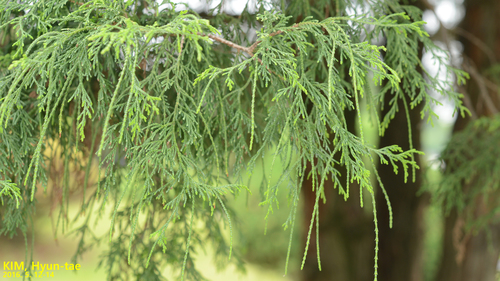
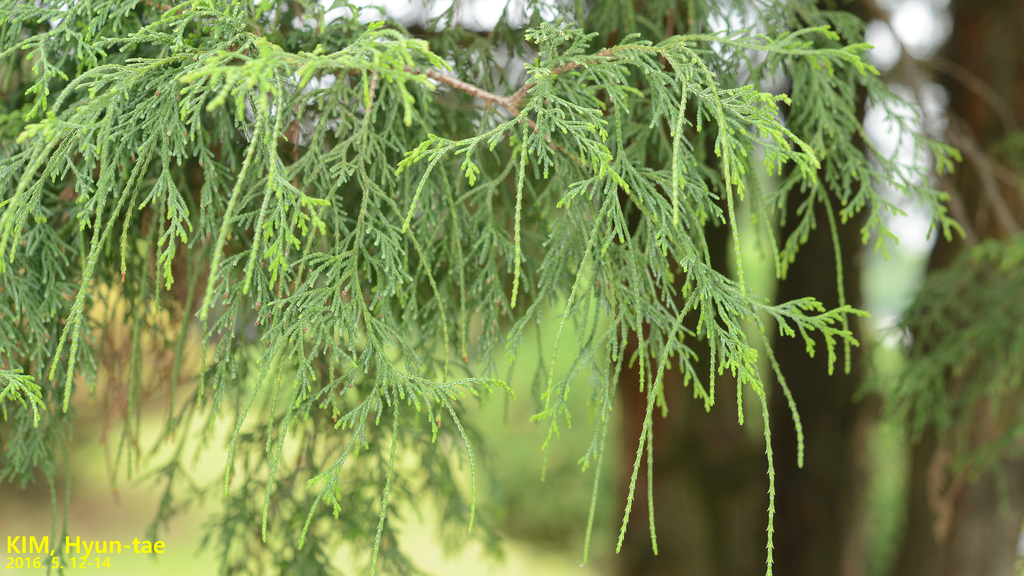
—observations
—countries
—peak records
Least ConcernConservation statusIUCN Red List categoriesLCNTVUENCREWEXLeast ConcernRed List categories, explained →
Diet & preyAutotrophic (photosynthesis)
ThreatsHistorical overharvesting, habitat fragmentation, and localized drought
HabitatsMoist temperate montane valleys, forested mountain slopes, and cultivated parks
Life span200–500+ years
Classification
- OrderPinales
- FamilyCupressaceae
- GenusChamaecyparis
- SpeciesChamaecyparis pisifera
Range data is not available yet.
Interaction riskLow
- Low
- Moderate
- High
- Very high
- Why interaction risk is low
- Safe to observe at a normal distance.
Responsible observation
- Foliage check: Look at the underside of branchlets to find distinctive white, butterfly-shaped markings.
- Cone inspection: Examine the tiny, spherical pea-sized cones, which have 10 to 12 wrinkled scales.
- Bark texture: Notice the fibrous, reddish-brown bark that peels in vertical strips along the trunk.
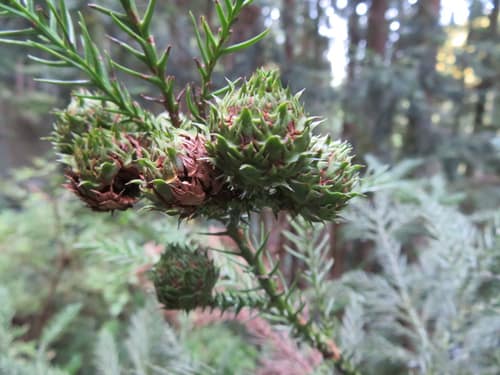
Frequent Companion (c) Marco Mussita, some rights reserved (CC BY), uploaded by Marco Mussita · cc-by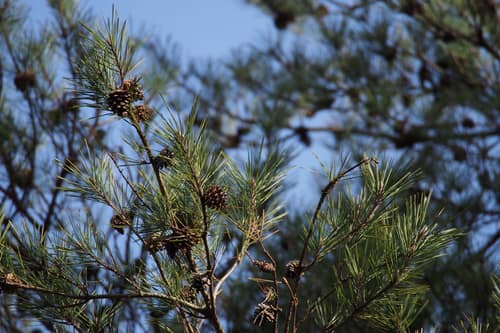
Neighbor (c) harum.koh, some rights reserved (CC BY-SA), uploaded by harum.koh · cc-by-sa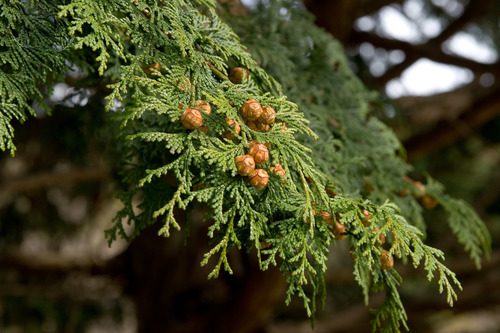
Close Relative (c) Σ64, some rights reserved (CC BY) · cc-by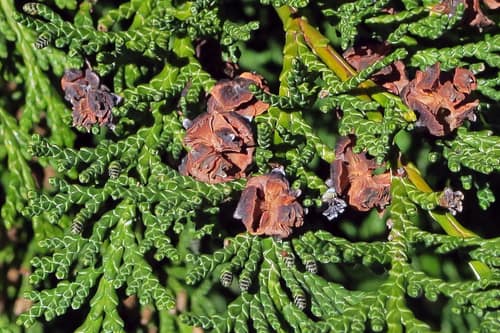
Close Relative (c) John Rusk, some rights reserved (CC BY) · cc-by
Help improve the field guideSomething wrong?
Checking your Fauna account…Report a name, category, or profile issue for review.