
Plant
Northern Whitecedar
Thuja occidentalisAlso known as Eastern White-Cedar, Arborvitae, Tree of Life, Swamp Cedar
Northern whitecedar dominates cold, nutrient-rich swamps and sheer limestone cliffs across eastern North America, where ancient dwarf trees can survive for well over a thousand years. Its distinctive flattened, fan-like foliage sprays emit a fresh, pleasant aroma when bruised and host small, bell-shaped seed cones. The rich foliage serves as vital winter shelter and crucial starvation food for white-tailed deer during harsh northern blizzards.
EvergreenConiferNative
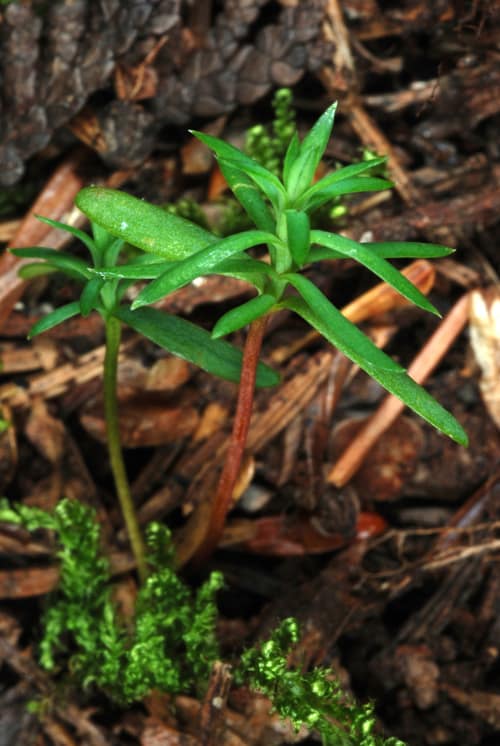
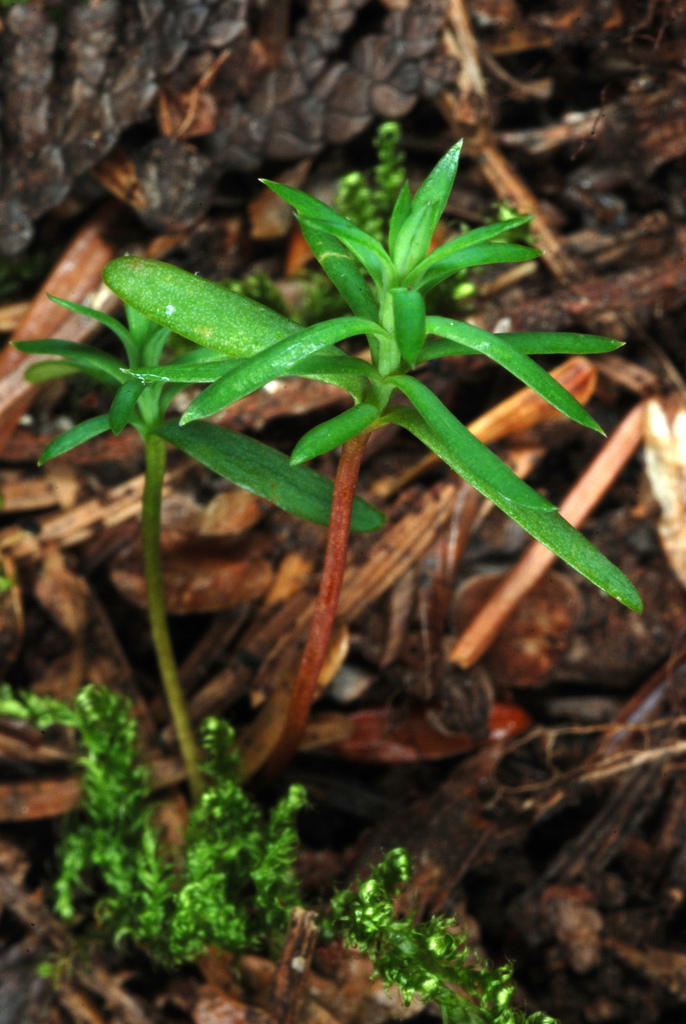
—observations
—countries
—peak records
Least ConcernConservation statusIUCN Red List categoriesLCNTVUENCREWEXLeast ConcernRed List categories, explained →
Diet & preyAutotrophic (Photosynthetic)
Predators
- White-tailed Deer
- Porcupine
- Snowshoe Hare
ThreatsOverbrowsing by deer, habitat alteration, altered hydrology, wildfire
HabitatsAlkaline swamps, rich moist woods, limestone cliffs, lake shores
Life span200–800+ years
Classification
- OrderPinales
- FamilyCupressaceae
- GenusThuja
- SpeciesThuja occidentalis
Range data is not available yet.
Interaction riskHigh
- Low
- Moderate
- High
- Very high
- Why interaction risk is high
- Safe to observe at a normal distance.
Responsible observation
- Identification: Look for scale-like, flattened branchlets with a aromatic cedar scent when gently crushed.
- Habitat Clues: Search along damp alkaline swamps, lake margins, or steep limestone escarpments.
- Winter Viewing: Inspect winter stands to spot deer yarding areas protected beneath the dense canopy.
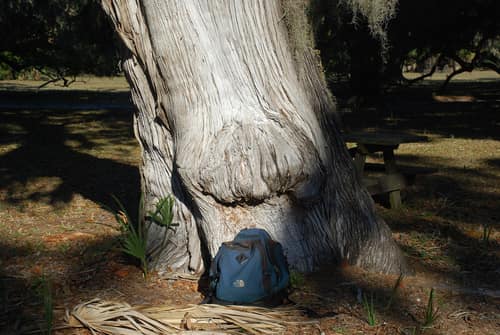
Common Look-Alike (c) Douglas Goldman, some rights reserved (CC BY-SA), uploaded by Douglas Goldman · cc-by-sa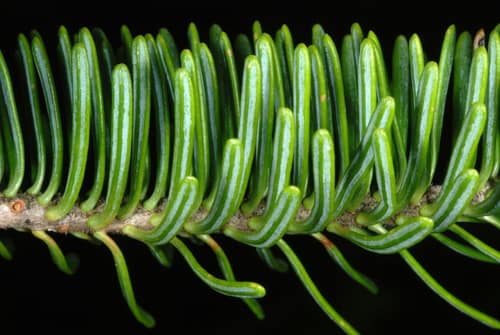
Frequent Companion (c) Douglas Goldman, some rights reserved (CC BY-SA), uploaded by Douglas Goldman · cc-by-sa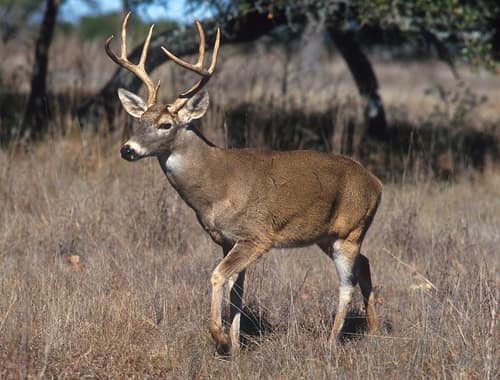
Primary Browser USDA photo by Scott Bauer / Public domain · cc0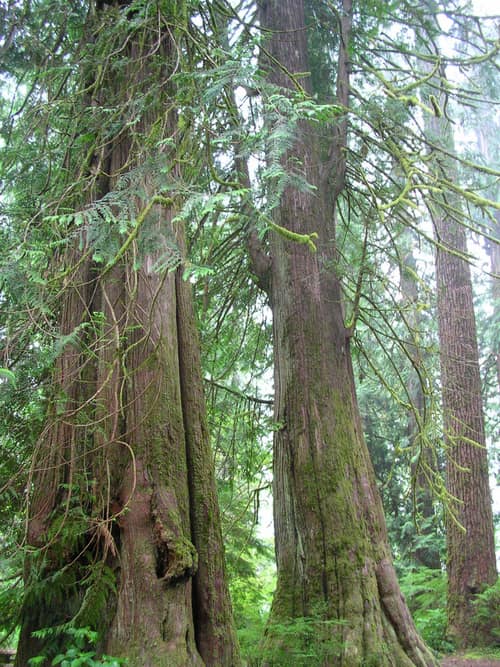
Close Relative (c) J Brew, some rights reserved (CC BY-SA), uploaded by J Brew · cc-by-sa
Help improve the field guideSomething wrong?
Checking your Fauna account…Report a name, category, or profile issue for review.