
Plant
Giant Sequoia
Sequoiadendron giganteumAlso known as Sierra Redwood, Giant Redwood, Wellingtonia
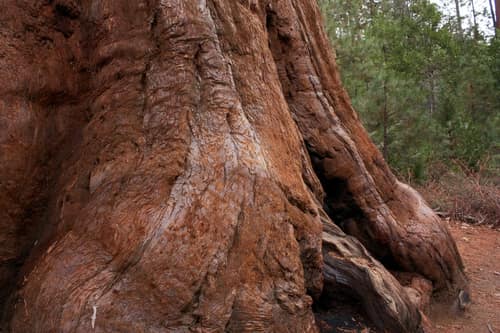
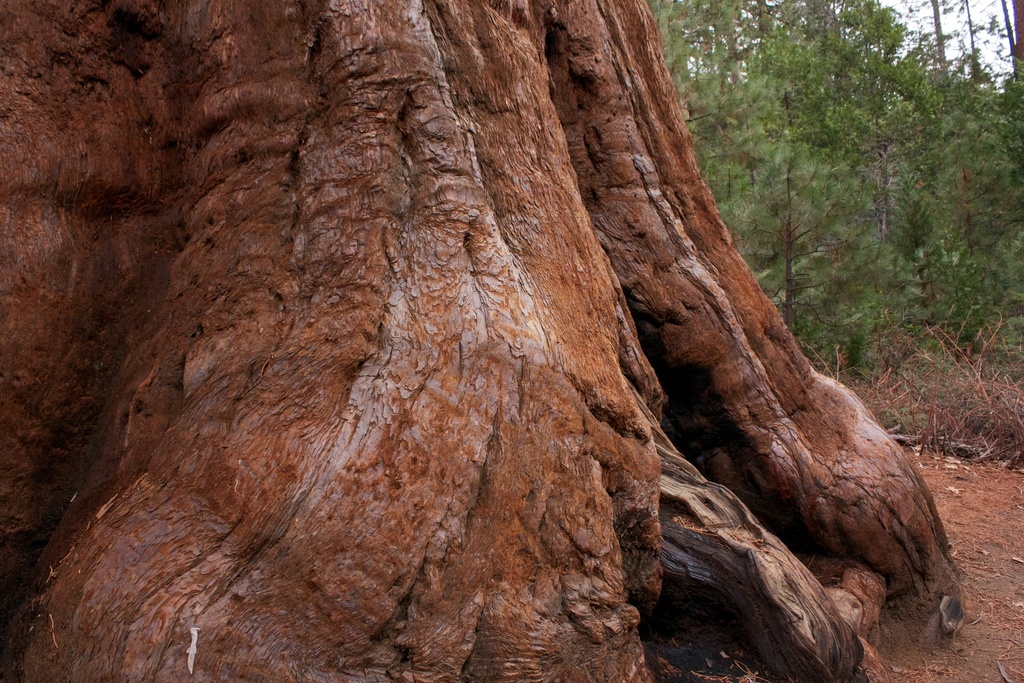
Giant sequoias are the largest living trees on Earth by volume, featuring massive fibrous trunks wrapped in fire-resistant, cinnamon-red bark up to three feet thick. Their small serotinous cones require the intense heat of low-intensity surface fires to open and release seeds onto freshly cleared, mineral-rich ash beds. Native only to a narrow belt of groves along California's Sierra Nevada, these towering conifers can live for over three millennia.
GiantEvergreenFire-Adapted
—observations
—countries
—peak records
EndangeredConservation statusIUCN Red List categoriesLCNTVUENCREWEXEndangeredRed List categories, explained →
Diet & preyAutotrophic (Photosynthesis)
ThreatsHigh-severity wildfires, severe drought, climate change
HabitatsMontane mixed-conifer forests
Life spanUp to 3,400 years
Classification
- OrderPinales
- FamilyCupressaceae
- GenusSequoiadendron
- SpeciesSequoiadendron giganteum
Range data is not available yet.
Interaction riskLow
- Low
- Moderate
- High
- Very high
- Why interaction risk is low
- Safe to observe at a normal distance.
- What to notice
- Recognizable by immense trunk diameters, fibrous red-cinnamon bark, and evergreen scale-like leaves.
- Support conservation
- Remain on paved trails and boardwalks to avoid damaging the wide, shallow root systems.
Responsible observation
- Boardwalk Access: Stay strictly on designated boardwalks to protect fragile, shallow root zones.
- Best Viewing: Visit protected public groves in Sequoia and Kings Canyon National Parks.
- Photography: Use a wide-angle lens or panorama mode from a distance to capture the full tree height.
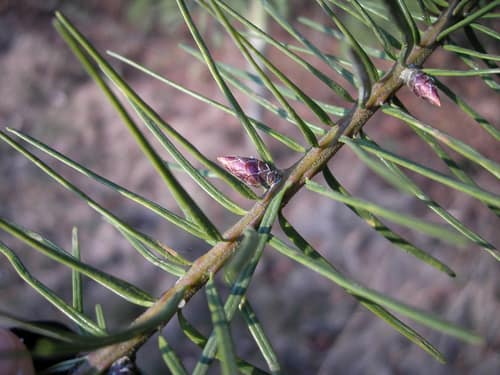
Frequent Companion (c) Danny Steaven, some rights reserved (CC BY-SA) · cc-by-sa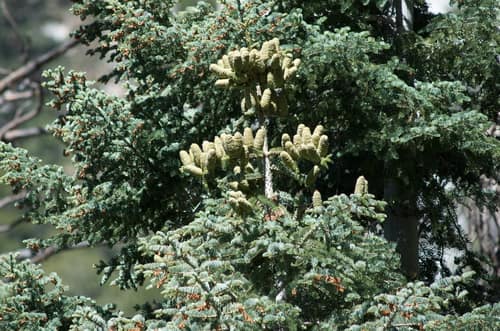
Frequent Companion (c) Jon Sullivan, some rights reserved (CC BY) · cc-by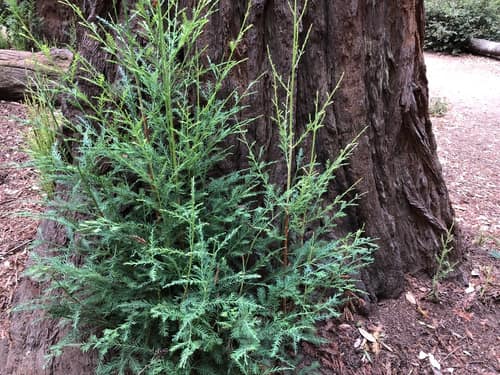
Close Relative (c) Miguel Vieira, some rights reserved (CC BY), uploaded by Miguel Vieira · cc-by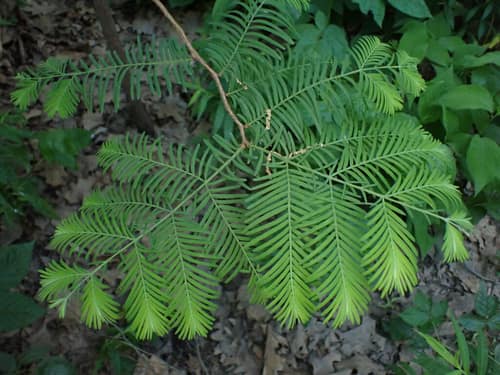
Close Relative (c) W Rao, some rights reserved (CC BY), uploaded by W Rao · cc-by
Help improve the field guideSomething wrong?
Checking your Fauna account…Report a name, category, or profile issue for review.