
Plant · GBIF taxon 2683909
Coast Redwood
Sequoia sempervirensAlso known as Coastal Redwood, California Redwood
Coast redwoods dominate foggy coastal valleys, pulling essential moisture directly from ambient mist through their upper canopy needles. Deep, fibrous reddish bark protects mature trunks from forest fires, while dormant basal buds sprout vibrant fairy rings of clone saplings around the parent tree. These ancient giants create distinct ecosystems hundreds of feet above the ground, supporting canopy-dwelling ferns, insects, and amphibians.
EvergreenAncientTallest Tree
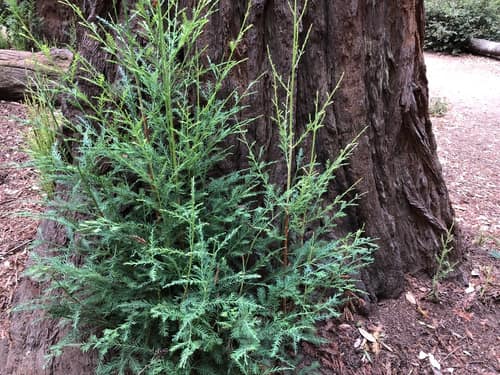
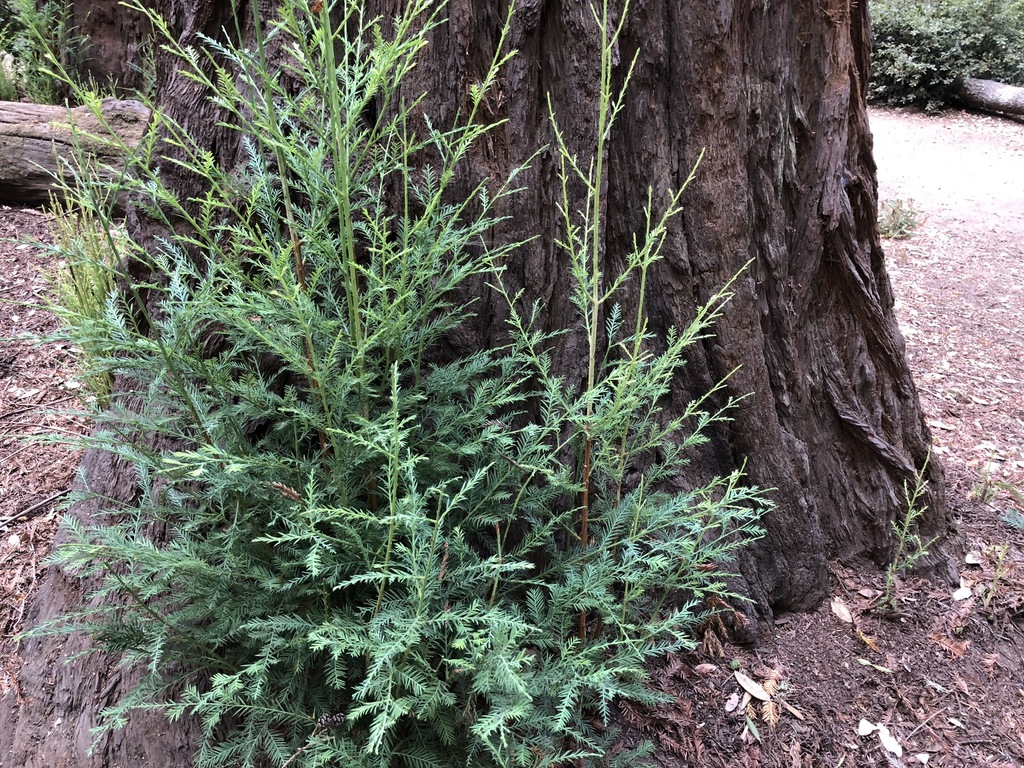 1 / 7
1 / 7—observations
—countries
—peak records
EndangeredConservation statusIUCN Red List categoriesLCNTVUENCREWEXEndangeredRed List categories, explained →
Diet & prey
- Photosynthesis
Predators
Not available
ThreatsHistorical over-logging, habitat fragmentation, severe drought, climate change
HabitatsTemperate coastal rainforests, foggy valleys, river terraces
Life span1,200–2,200+ years
Size / weightNot available
Classification
- OrderPinales
- FamilyCupressaceae
- GenusSequoia
- SpeciesSequoia sempervirens
Range data is not available yet.
Interaction riskLow
- Low
- Moderate
- High
- Very high
- Why interaction risk is low
- Safe to observe from established trails.
- What to notice
- Massive evergreen tree with deeply furrowed reddish bark, flat two-ranked needles, and small wooden cones.
- Support conservation
- Stay strictly on elevated boardwalks and established trails to avoid compressing the shallow, fragile root network.
Responsible observation
- Stay on Trails: Protect delicate shallow root systems by sticking to designated boardwalks and paths.
- Look Up for Canopy Life: Scan high branches for epiphytic ferns, salamanders, and nesting seabirds.
- Visit in Fog: Experience their natural fog drip system on cool, humid mornings.
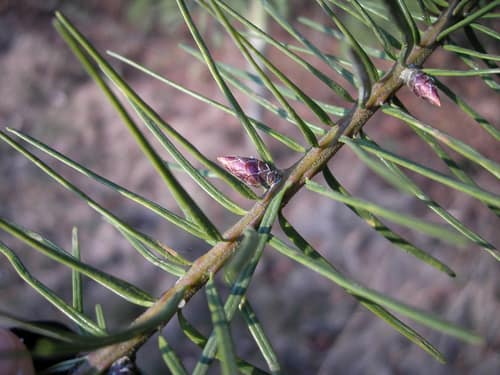
Forest Companion (c) Danny Steaven, some rights reserved (CC BY-SA) · cc-by-sa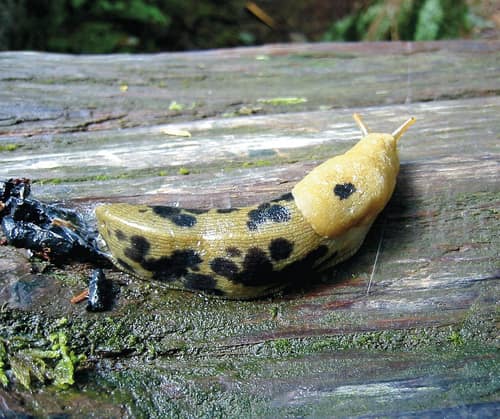
Ecological Partner Thomas Schoch / CC BY-SA 2.5 · cc-by-sa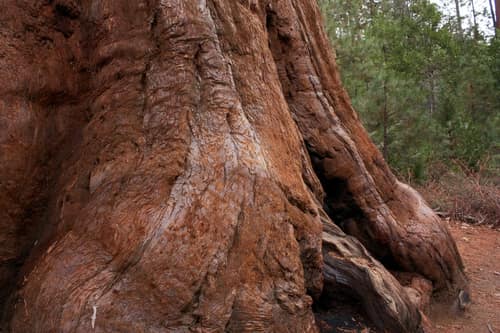
Close Relative (c) Laura Camp, some rights reserved (CC BY-SA) · cc-by-sa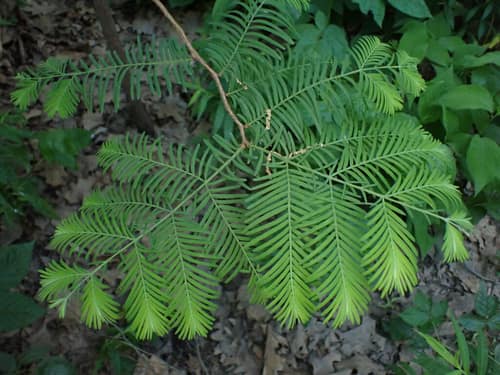
Close Relative (c) W Rao, some rights reserved (CC BY), uploaded by W Rao · cc-by
Help improve the field guideSomething wrong?
Checking your Fauna account…Report a name, category, or profile issue for review.