
Plant · GBIF taxon 5284231
Dawn Redwood
Metasequoia glyptostroboidesAlso known as Metasequoia, Water Fir, Shui-sha
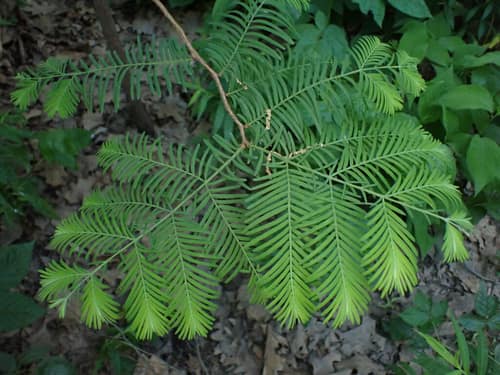
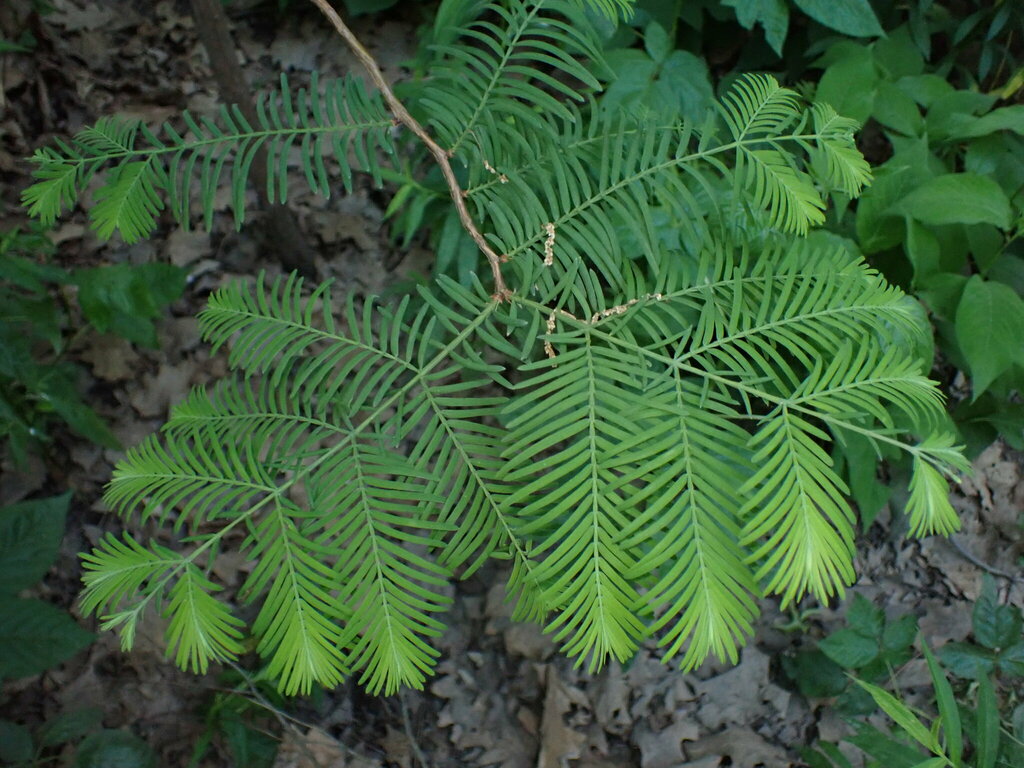
Known only from prehistoric fossils until its dramatic rediscovery in 1943, Dawn Redwood is a true living fossil that once spanned much of the Northern Hemisphere. Soft feathery foliage turns a bright copper-orange each autumn before shedding entirely, revealing a deeply fluted trunk clad in fibrous reddish bark. Wild stands survive only in wet montane valleys in south-central China, though cultivated trees are now widely planted in parks worldwide.
Deciduous ConiferLiving Fossil
—observations
—countries
—peak records
EndangeredConservation statusIUCN Red List categoriesLCNTVUENCREWEXEndangeredRed List categories, explained →
Diet & prey
- Sunlight
- Water
- Soil Nutrients
Predators
Not available
ThreatsHistoric deforestation, habitat fragmentation, small wild population size
HabitatsMontane river valleys, stream banks, wet lower slopes, cultivated parks
Life span300–600 years
Size / weightNot available
Classification
- OrderPinales
- FamilyCupressaceae
- GenusMetasequoia
- SpeciesMetasequoia glyptostroboides
Range data is not available yet.
Interaction riskLow
- Low
- Moderate
- High
- Very high
- Why interaction risk is low
- Safe to observe at a normal distance.
- What to notice
- Look for opposite-arranged feathery needles, small spherical cones, and a heavily buttressed base flare.
- Support conservation
- Observe wild specimens from established paths and refrain from collecting cones or damaging bark.
Responsible observation
- Fall Color: Visit in late autumn to experience the bright copper and bronze foliage transformation.
- Trunk Structure: Look closely at the trunk base for deep fluting and armpit-like depressions beneath lower branches.
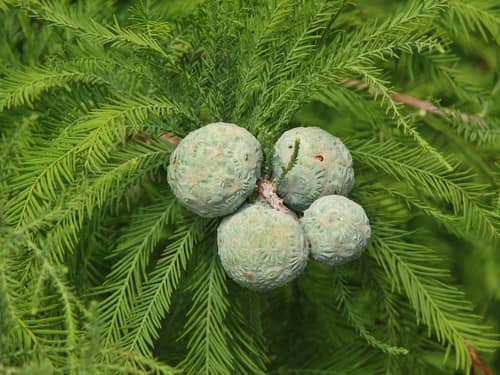
Ecological Analog (c) Annika Lindqvist, some rights reserved (CC BY), uploaded by Annika Lindqvist · cc-by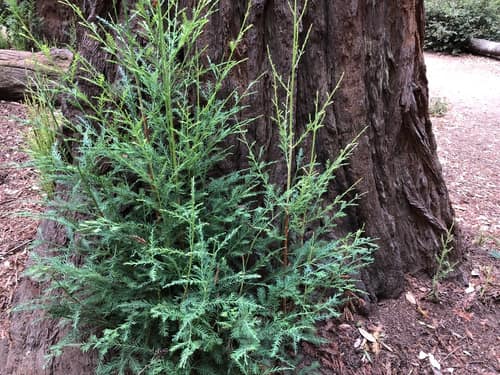
Close Relative (c) Miguel Vieira, some rights reserved (CC BY), uploaded by Miguel Vieira · cc-by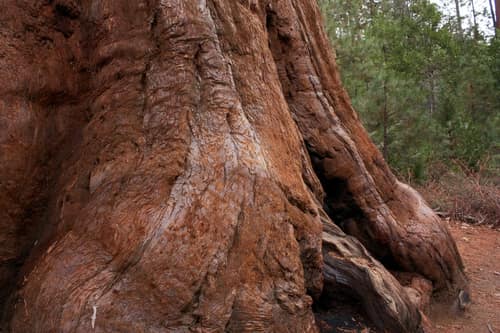
Close Relative (c) Laura Camp, some rights reserved (CC BY-SA) · cc-by-sa
Help improve the field guideSomething wrong?
Checking your Fauna account…Report a name, category, or profile issue for review.