
Fungus · GBIF taxon 2535875
Smooth White Parasol
Leucoagaricus leucothitesAlso known as Smooth Parasol, White Dapperling, Woman on Motorcycle, White Agaricus Mushroom
Smooth white parasols emerge in autumn across lawns, meadows, and disturbed grassy areas, often forming prominent fairy rings after heavy rainfall. Their silkily smooth, chalk-white caps begin bell-shaped before expanding flat, revealing white to pale pinkish gills and a distinct collar-like ring around the slender stem. As vital saprotrophic decomposers, they break down dead plant matter and enrich urban and suburban soils.
SaprotrophicField FungusWhite Cap


—observations
—countries
—peak records
Not EvaluatedConservation statusIUCN Red List categoriesLCNTVUENCREWEXNot Evaluated — not placed on the risk ladderRed List categories, explained →
Diet & prey
- Decaying grass roots
- Dead organic soil matter
- Plant detritus
Predators
- Fungus gnats
- Slugs
- Snails
ThreatsExcessive fungicide use and intensive lawn management
HabitatsLawns, pastures, parks, roadsides, and cultivated soils
Life spanMycelium lives perennially; fruiting body lasts 3–7 days
Size / weightNot available
Classification
- OrderAgaricales
- FamilyAgaricaceae
- GenusLeucoagaricus
- SpeciesLeucoagaricus leucothites
Range data is not available yet.
Interaction riskHigh
- Low
- Moderate
- High
- Very high
- Why interaction risk is high
- Many edible mushrooms have toxic look-alikes; never eat wild fungi based on app identification alone.
- Why it is dangerous
- Contains gastrointestinal toxins and closely resembles deadly Amanita species that harbor lethal amatoxins.
- How to recognize a risky encounter
- Look for a smooth white cap, free gills that age pinkish, a movable ring, and a bulbous base without a volva.
- What to do
- Examine or spore-print safely, but wash hands thoroughly after touch and never consume wild white mushrooms.
Responsible observation
- Spore Printing: Place a cap on dark paper to reveal its pure white to cream spore print.
- Check Base: Carefully dig up the stem base to verify the absence of a cup-like volva.
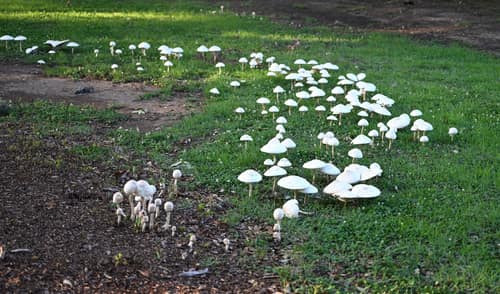
Toxic Look-alike (c) Amber M. King, some rights reserved (CC BY), uploaded by Amber M. King · cc-by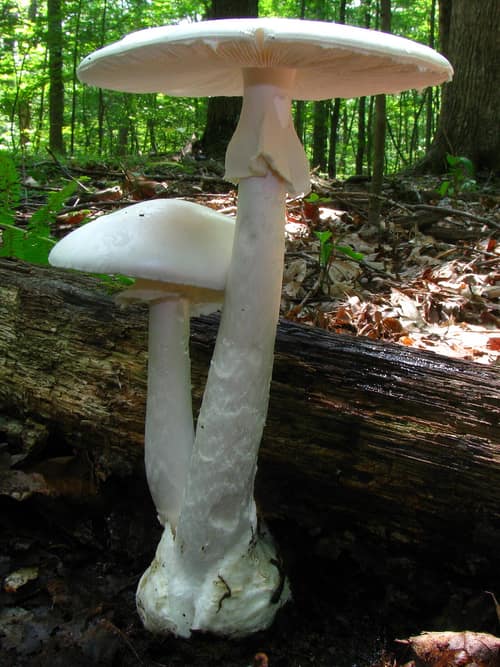
Deadly Look-alike Dan Molter (shroomydan) / CC BY-SA 3.0 · cc-by-sa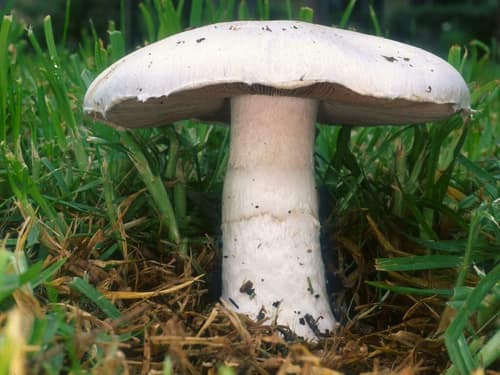
Look-alike (c) anonymous, some rights reserved (CC BY-SA) · cc-by-sa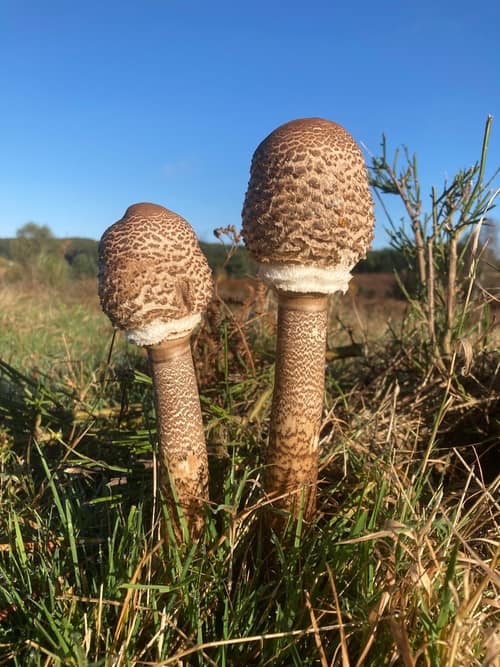
Close Relative (c) Lucian Clanet, some rights reserved (CC BY), uploaded by Lucian Clanet · cc-by
Help improve the field guideSomething wrong?
Checking your Fauna account…Report a name, category, or profile issue for review.