
Fungus
Meadow Mushroom
Agaricus campestrisAlso known as Field Mushroom, Meadow Agaric
Meadow mushrooms emerge in grassy pastures, lawns, and meadows during late summer and autumn, often fruiting in expansive fairy rings after heavy rain. Young buttons feature white, rounded caps with delicate pink gills that quickly darken to deep chocolate brown as the spores mature. As saprotrophs, they break down decaying organic matter in pasture soil, playing a key role in nutrient cycling.
SaprotrophicGilled FungusFairy Rings
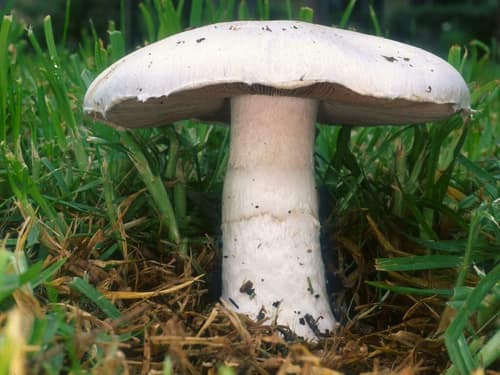

—observations
—countries
—peak records
Least ConcernConservation statusIUCN Red List categoriesLCNTVUENCREWEXLeast ConcernRed List categories, explained →
Diet & preySaprotrophic (decomposing organic soil matter)
Predators
- Slugs
- Fungus Gnats
- Rodents
ThreatsHabitat loss through intensive land use and urban development
HabitatsGrassy fields, lawns, pastures, meadows
Life spanFruiting body lasts several days; mycelium lives for decades
Classification
- OrderAgaricales
- FamilyAgaricaceae
- GenusAgaricus
- SpeciesAgaricus campestris
Range data is not available yet.
Interaction riskLow
- Low
- Moderate
- High
- Very high
- Why interaction risk is low
- Many wild mushrooms have toxic look-alikes; never ingest wild fungi based on app identification alone.
Responsible observation
- Check Gill Color: Look for pink gills turning deep chocolate brown at maturity.
- Examine the Base: Check for the absence of a bulbous volva or yellow staining when bruised.
- Observe Spore Print: Expect a dark brown spore print on white paper.
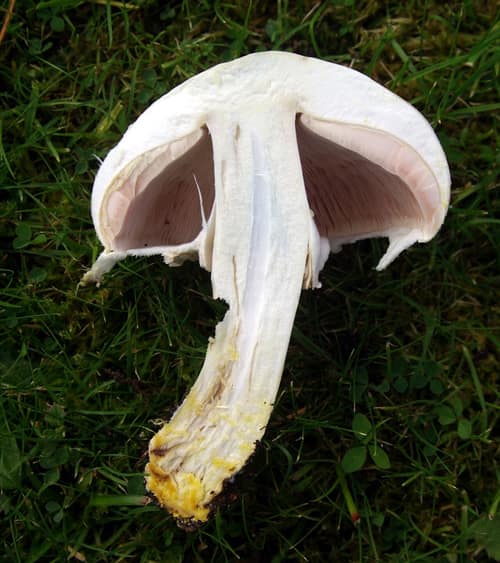
Toxic Look-Alike Velella / CC BY-SA 3.0 · cc-by-sa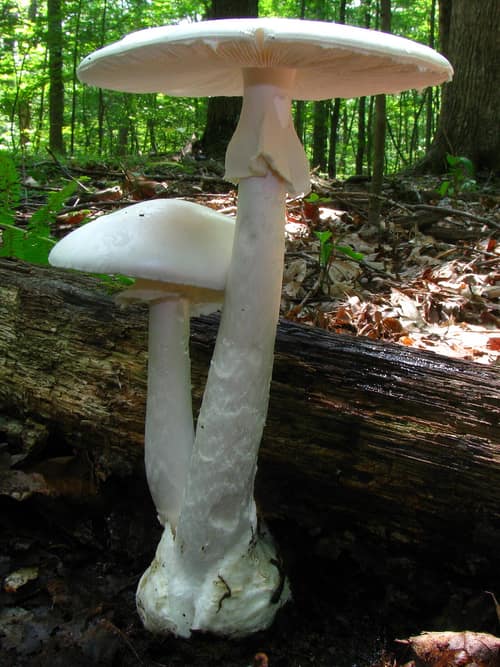
Deadly Look-Alike Dan Molter (shroomydan) / CC BY-SA 3.0 · cc-by-sa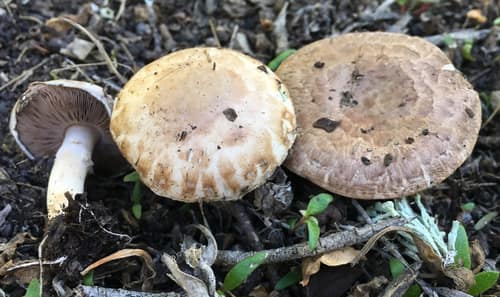
Close Relative (c) Adam J. Searcy, some rights reserved (CC BY), uploaded by Adam J. Searcy · cc-by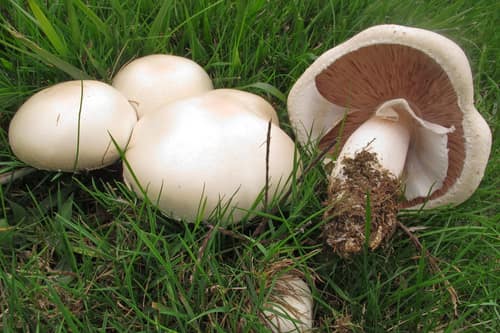
Close Relative (c) anonymous, some rights reserved (CC BY-SA) · cc-by-sa
Help improve the field guideSomething wrong?
Checking your Fauna account…Report a name, category, or profile issue for review.