
Fungus
Parasol Mushroom
Macrolepiota proceraAlso known as Parasol Fungus
Parasol mushrooms stand prominently above grassy meadows and forest borders on exceptionally tall, slender stems. The broad cap opens like a sunshade, decorated with coarse brown scales over a pale fibrous background. As a saprotrophic fungus, its underground mycelium breaks down organic litter in rich soil, returning vital nutrients to surrounding ecosystems.
FungusSaprophyticWidespread
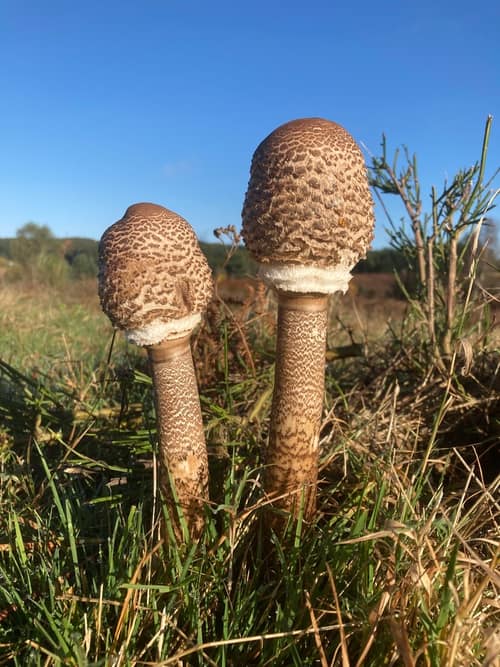
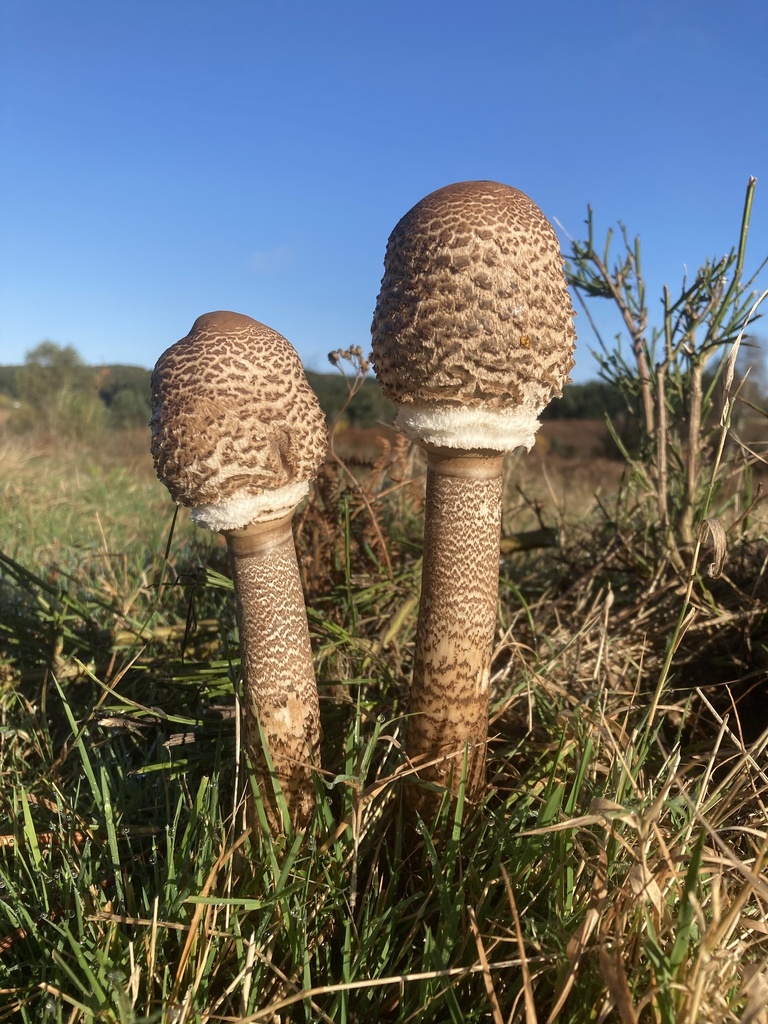
—observations
—countries
—peak records
Not EvaluatedConservation statusIUCN Red List categoriesLCNTVUENCREWEXNot Evaluated — not placed on the risk ladderRed List categories, explained →
Diet & preyDecaying Grass, Leaf Litter, Organic Matter
Predators
- Slugs
- Fungus Gnats
- Beetles
ThreatsHabitat loss, agricultural intensification, over-mowing
HabitatsPastures, grassy fields, forest edges, open woodlands
Life spanPerennial mycelium; individual fruiting bodies last 3–7 days
Classification
- OrderAgaricales
- FamilyAgaricaceae
- GenusMacrolepiota
- SpeciesMacrolepiota procera
Range data is not available yet.
Interaction riskLow
- Low
- Moderate
- High
- Very high
- Why interaction risk is low
- Many edible mushrooms have toxic look-alikes; never eat wild fungi based on app identification alone.
Responsible observation
- Check the Stem: Look for the distinct dark zigzag patterning that resembles snakeskin along the stipe.
- Examine the Ring: Observe the double-edged collar around the stem that slides freely up and down when mature.
- Observe Spore Color: Collect a spore print on dark paper to confirm white to pale cream coloration.
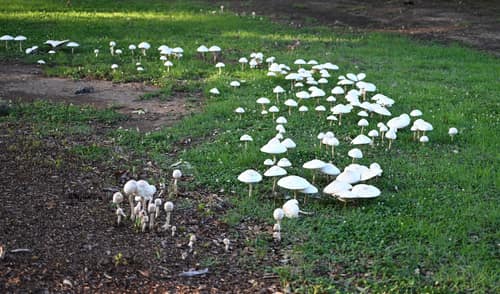
Look-Alike (c) Amber M. King, some rights reserved (CC BY), uploaded by Amber M. King · cc-by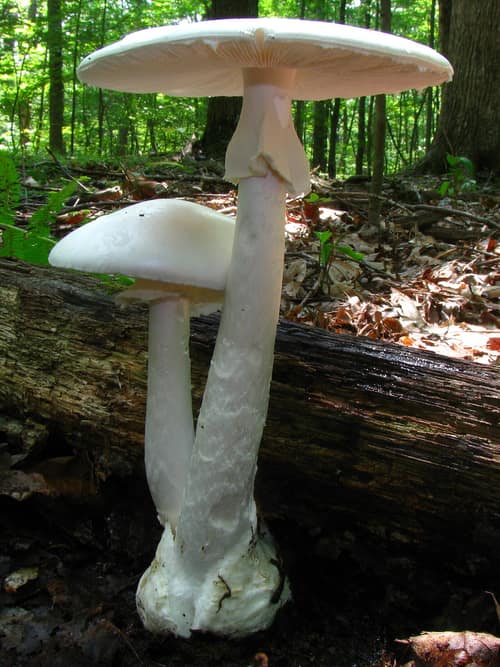
Dangerous Look-Alike Dan Molter (shroomydan) / CC BY-SA 3.0 · cc-by-sa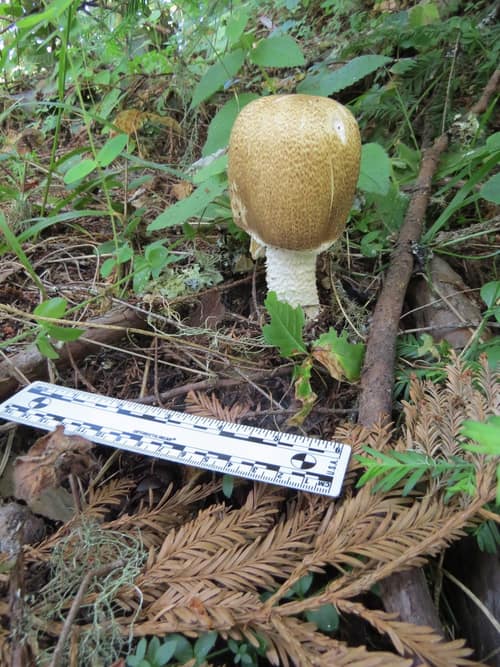
Co-Occurring Fungus (c) Garth Harwood, some rights reserved (CC BY) · cc-by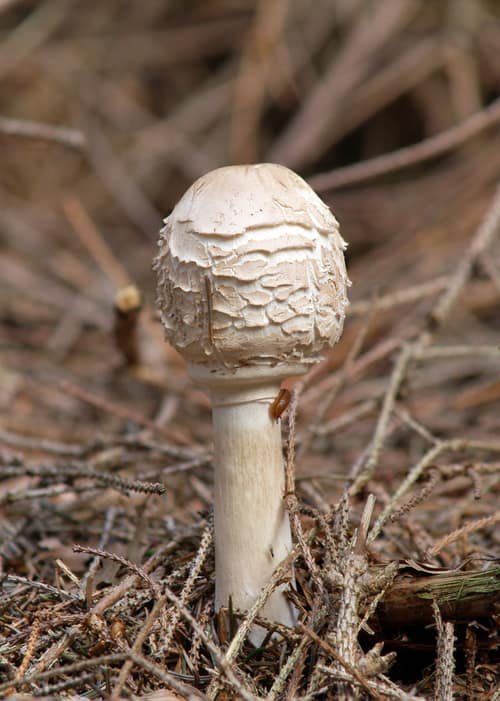
Close Relative (c) Jörg Hempel, some rights reserved (CC BY-SA) · cc-by-sa
Help improve the field guideSomething wrong?
Checking your Fauna account…Report a name, category, or profile issue for review.