
Bird · GBIF taxon 2481108
James's Flamingo
Phoenicoparrus jamesiAlso known as Puna Flamingo
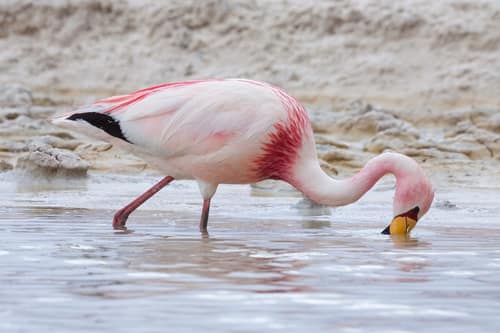
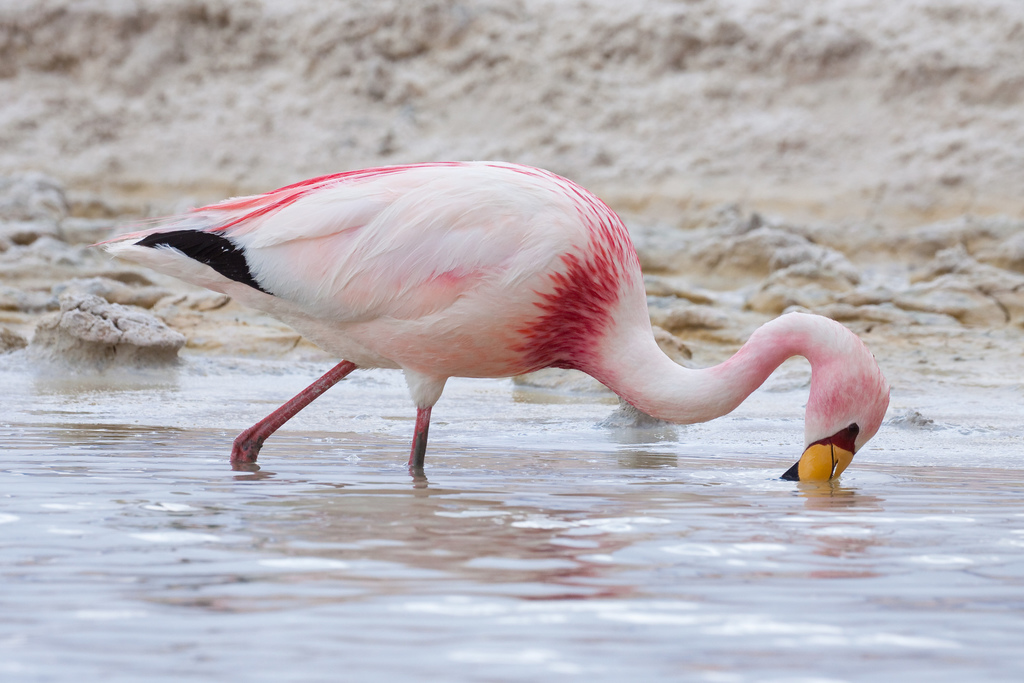
James's flamingos are highly specialized birds that thrive in hypersaline, high-altitude salt lakes across the Andean altiplano. They filter microscopic diatoms from shallow waters using intricate lamellae lining their specialized down-curved bills. Large, synchronized flocks undertake dynamic movements across remote mountain lagoons in search of optimal water levels and rich algae blooms.
High AltitudeSocialWading Bird
Licensed reference(c) User:Chmehl, some rights reserved (CC BY) · cc-by
—observations
—countries
—peak records
Near ThreatenedConservation statusIUCN Red List categoriesLCNTVUENCREWEXNear ThreatenedRed List categories, explained →
Diet & prey
- Diatoms
- Microalgae
- Aquatic Invertebrates
Predators
- Culpeo
- Andean Condor
ThreatsLithium mining, water extraction, climate change, habitat degradation
HabitatsHigh-altitude salt lakes, alkaline lagoons, mountain wetlands
Life span20–40 years
Size / weightNot available
Classification
- FamilyPhoenicopteridae
- SpeciesPhoenicoparrus jamesi
Range data is not available yet.
Interaction riskLow
- Low
- Moderate
- High
- Very high
- Why interaction risk is low
- Safe to observe at a normal distance.
- What to notice
- Identified by a bright yellow bill tipped in black, pale pink plumage, and bright red skin around the eyes.
- Support conservation
- Stay on established paths around high-altitude lakes and avoid disturbing nesting colonies.
Responsible observation
- Viewing Distance: Maintain a generous buffer around high-altitude lagoons to prevent disturbing feeding flocks.
- Optical Aids: Use a spotting scope or telephoto lens to admire their bright yellow bills and red facial skin.

Co-Occurring Species (c) David F. Belmonte, some rights reserved (CC BY) / CC BY 4.0 · cc-by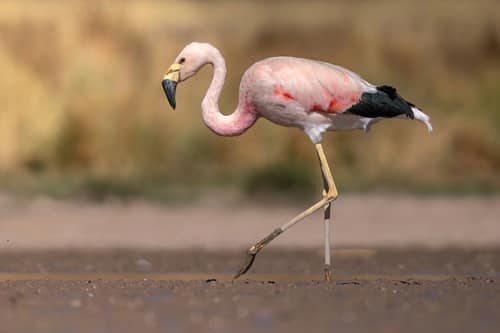
Close Relative (c) Luciano Massa, some rights reserved (CC BY), uploaded by Luciano Massa · cc-by
Close Relative "American flamingo Phoenicopterus ruber" by Paul and Jill is licensed under CC BY 2.0. To view a copy of this license, visit https://creativecommons.org/licenses/by/2.0/. · cc-by
Help improve the field guideSomething wrong?
Checking your Fauna account…Report a name, category, or profile issue for review.