
Bird
Chilean Flamingo
Phoenicopterus chilensisAlso known as Flamenco Chileno
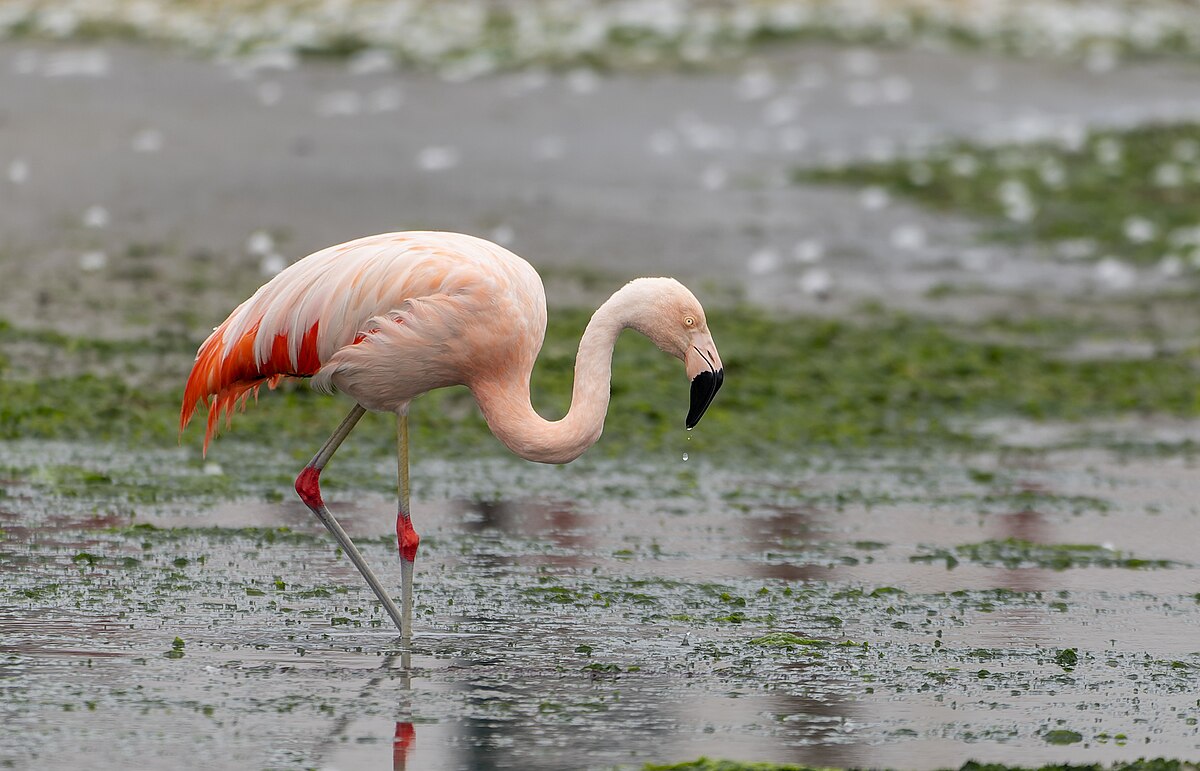
Chilean flamingos wade through shallow alkaline mountain lakes and coastal lagoons, using their specialized down-curved bills to filter tiny invertebrates from soft sediments. Their pale pink plumage features bright crimson wing coverts and black flight feathers that reveal themselves dramatically during flight display routines. Large colonies gather on muddy flats to construct cone-shaped mud nests, where parents take turns incubating a single chalky egg.
Wading BirdSocialFilter Feeder

—observations
—countries
—peak records
Near ThreatenedConservation statusIUCN Red List categoriesLCNTVUENCREWEXNear ThreatenedRed List categories, explained →
Diet & preyBrine Shrimp, Diatoms, Water Boatmen
Predators
- Culpeo Fox
- Andean Condor
- Kelp Gull
ThreatsHabitat disruption from lithium mining, water extraction, and human disturbance at nesting sites
HabitatsAlkaline lakes, salt pans, brackish lagoons, and coastal estuaries
Life span30–40 years in the wild
Classification
- OrderPhoenicopteriformes
- FamilyPhoenicopteridae
- GenusPhoenicopterus
- SpeciesPhoenicopterus chilensis
Range data is not available yet.
Interaction riskLow
- Low
- Moderate
- High
- Very high
- Why interaction risk is low
- Safe to observe at a normal distance.
- What to notice
- Look for pale pink plumage, greyish legs with bright pink joints, and a bill with extensive black on the tip.
- Support conservation
- Remain on designated shorelines and avoid approaching nesting mudflats or disturbing active feeding groups.
Responsible observation
- Keep Distance: Maintain a respectful buffer to avoid startling feeding or roosting flocks into flight.
- Use Optics: Observe subtle head-flagging and wing-salute courtship displays through binoculars or a scope.
- Respect Nesting Sites: Steer clear of sensitive mudflat breeding colonies during the spring nesting season.
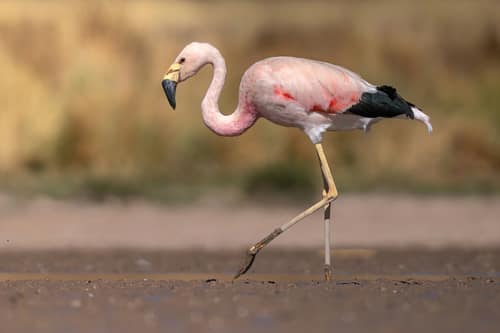
Co-occurring Species (c) Luciano Massa, some rights reserved (CC BY), uploaded by Luciano Massa · cc-by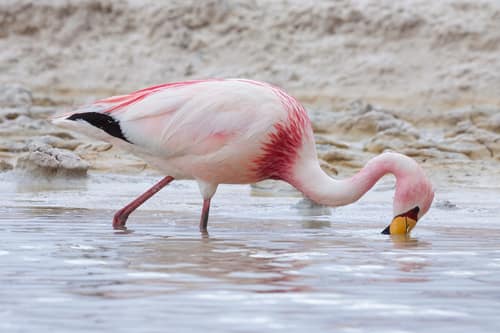
Co-occurring Species (c) User:Chmehl, some rights reserved (CC BY) · cc-by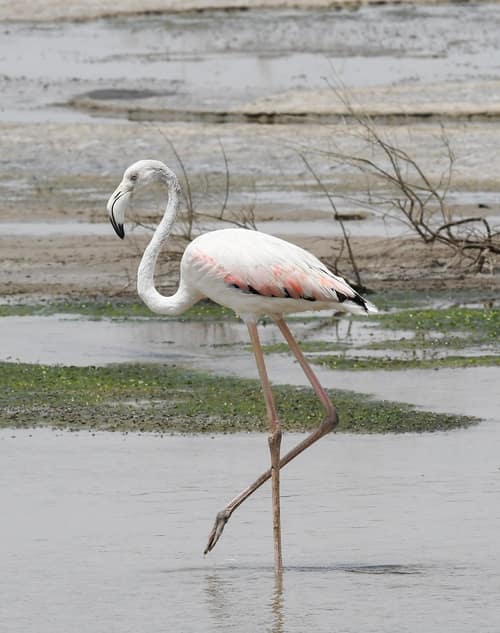
Close Relative "Greater Flamingo" by btrentler is licensed under CC BY 2.0. To view a copy of this license, visit https://creativecommons.org/licenses/by/2.0/. · cc-by
Close Relative "American flamingo Phoenicopterus ruber" by Paul and Jill is licensed under CC BY 2.0. To view a copy of this license, visit https://creativecommons.org/licenses/by/2.0/. · cc-by
Keep collecting in Fauna
Found in Collections
Ecosystem chain
Wetland Territory
Chilean Flamingo is found in this collection. Identify it in Fauna to fill this slot and continue your progress.
—/12
Help improve the field guideSomething wrong?
Checking your Fauna account…Report a name, category, or profile issue for review.