
Bird
American Flamingo
Phoenicopterus ruberAlso known as Caribbean Flamingo, Rosy Flamingo, West Indian Flamingo
American flamingos are vibrant wading birds that derive their intense reddish-pink plumage from carotenoid pigments in their food. They wade through shallow brackish lagoons and saline lakes, using specialized down-curved bills upside down to filter out tiny crustaceans, mollusks, and algae. Highly social creatures, they gather in colonies of thousands to perform synchronized courtship dances and raise single chicks in tall mud-mound nests.
Wading BirdSocialFilter Feeder


—observations
—countries
—peak records
Least ConcernConservation statusIUCN Red List categoriesLCNTVUENCREWEXLeast ConcernRed List categories, explained →
Diet & preyBrine Shrimp, Blue-Green Algae, Small Snails
Predators
- Feral Cats
- Wild Boars
- Large Raptors
ThreatsHabitat destruction, coastal development, human disturbance, egg harvesting
HabitatsSaline lakes, mudflats, brackish lagoons, coastal mangroves
Life span40–60 years in the wild
Classification
- OrderPhoenicopteriformes
- FamilyPhoenicopteridae
- GenusPhoenicopterus
- SpeciesPhoenicopterus ruber
Range data is not available yet.
Interaction riskLow
- Low
- Moderate
- High
- Very high
- Why interaction risk is low
- Safe to observe at a normal distance.
- What to notice
- Look for large pink wading birds gathered on coastal mudflats, salt pans, or shallow lagoons.
- Support conservation
- Keep a wide distance with optics, never fly drones near colonies, and stay on designated boardwalks.
Responsible observation
- Observe from a Distance: Keep a respectful gap to avoid causing flock disturbance or triggering group flights.
- Use Binoculars: High-powered optics let you spot mud nests and filter-feeding behaviors without startling the colony.
- Protect Nesting Sites: Avoid entering coastal mudflats or mangrove lagoons during the breeding season.
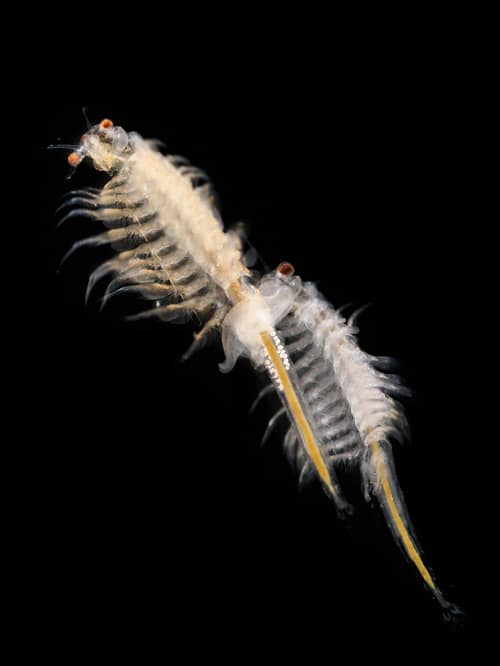
Key Prey Hans Hillewaert / CC BY-SA 4.0 · cc-by-sa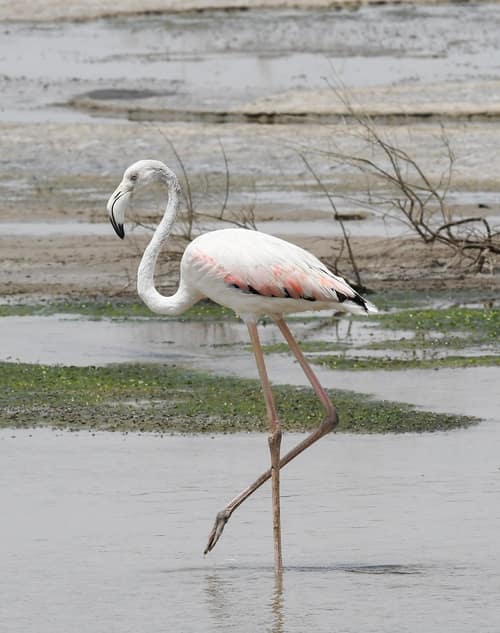
Close Relative "Greater Flamingo" by btrentler is licensed under CC BY 2.0. To view a copy of this license, visit https://creativecommons.org/licenses/by/2.0/. · cc-by
Close Relative (c) David F. Belmonte, some rights reserved (CC BY) / CC BY 4.0 · cc-by
Family Member (c) russellstreet, some rights reserved (CC BY-SA) · cc-by-sa
Keep collecting in Fauna
Found in Collections
Ecosystem chain
Wetland Territory
American Flamingo is found in this collection. Identify it in Fauna to fill this slot and continue your progress.
—/12
Help improve the field guideSomething wrong?
Checking your Fauna account…Report a name, category, or profile issue for review.