
Reptile · GBIF taxon 2444461
Midget Faded Rattlesnake
Crotalus concolorAlso known as Yellow Rattlesnake, Faded Rattlesnake
Midget faded rattlesnakes navigate the arid canyons and rocky outcrops of the Colorado Plateau, relying on subtle, muted coloration to blend into sandstone surroundings. Adults spend winter months dormant in deep rock fissures, often sharing hibernacula with other reptiles before dispersing to hunt each spring. Their potent neurotoxic and myotoxic venom quickly subdues small mammals and lizards across harsh desert environments.
VenomousReptileDesert
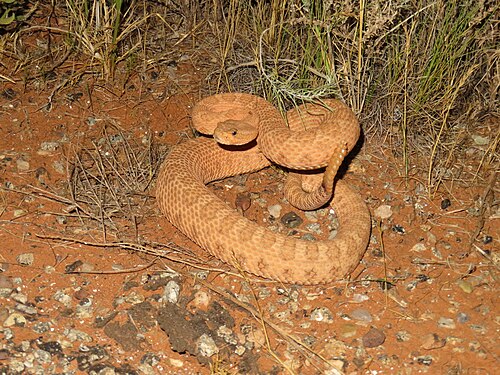
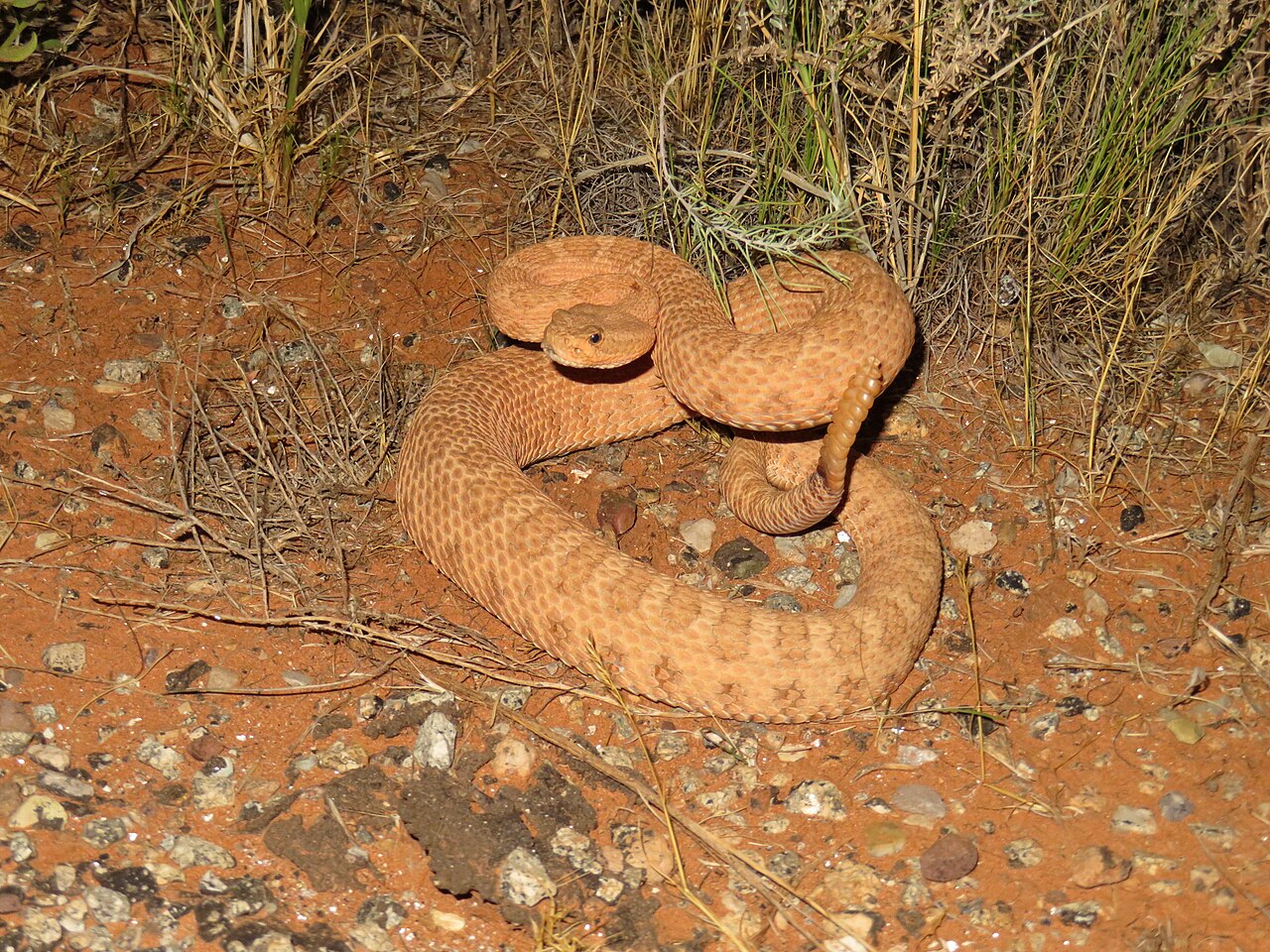
Licensed referenceDon F Becker / CC0 · cc0
—observations
—countries
—peak records
Least ConcernConservation statusIUCN Red List categoriesLCNTVUENCREWEXLeast ConcernRed List categories, explained →
Diet & prey
- Lizards
- Voles
- Mice
Predators
- Hawks
- Eagles
- Coyotes
ThreatsHabitat fragmentation, human persecution, road mortality
HabitatsRocky canyons, desert scrub, pinyon-juniper woodlands
Life span15–20 years
Size / weightNot available
Classification
- FamilyViperidae
- SpeciesCrotalus concolor
Range data is not available yet.
Interaction riskVery high
- Low
- Moderate
- High
- Very high
- Why interaction risk is very high
- Possesses potent venom; maintain a safe distance and never attempt to handle or corner.
- Why it is dangerous
- Venom contains potent presynaptic neurotoxins and myotoxins that cause tissue damage and systemic respiratory complications.
- How to recognize a risky encounter
- Look for a small straw-yellow to light gray body with faint, faded oval blotches along the back and a tail rattle.
- What to do
- Freeze and back away slowly if encountered; never reach into blind crevices or rocky ledges.
- What to notice
- Small, pale yellow-brown pit viper localized to sandstone canyon corridors in Utah, Colorado, and Wyoming.
- Support conservation
- Keep location details off social media when documenting individuals near known wintering dens.
Responsible observation
- Safe Distance: Maintain at least two body lengths of distance if spotted on trails or rocks.
- Watch Your Step: Check hand placement and foot placement when stepping over rocks or logs in canyon terrain.
- Listen Carefully: Pay attention to buzzing rattles, though cold or surprised snakes may strike without rattling.
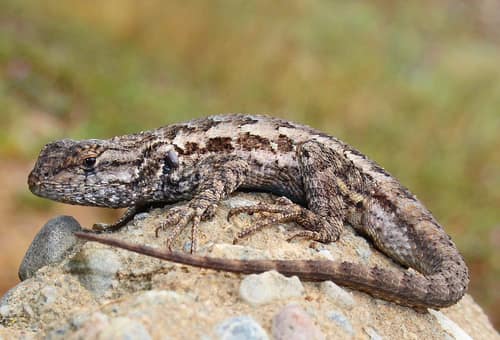
Prey Connor Long / CC BY-SA 4.0 · cc-by-sa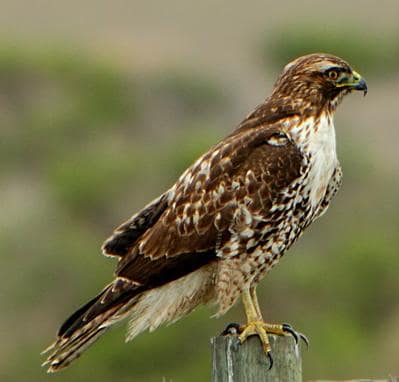
Predator Buteo_jamaicensis_1.jpg: Alan Vernon derivative work: Berichard (talk) / CC BY 2.0 · cc-by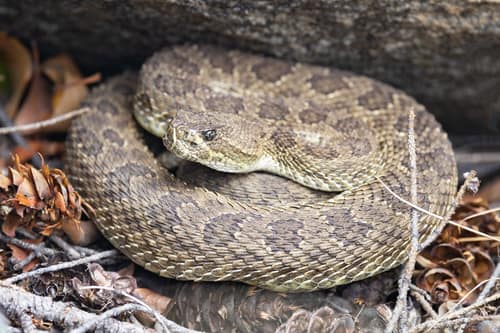
Close Relative "Prairie rattlesnake (Crotalus viridis)" by YellowstoneNPS is marked with Public Domain Mark 1.0. To view the terms, visit https://creativecommons.org/publicdomain/mark/1.0/. · cc0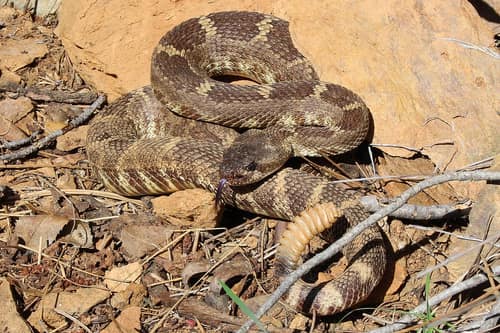
Close Relative Connor Long / CC BY-SA 4.0 · cc-by-sa
Help improve the field guideSomething wrong?
Checking your Fauna account…Report a name, category, or profile issue for review.