
Reptile
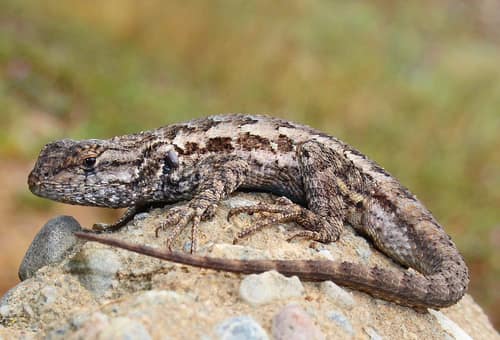
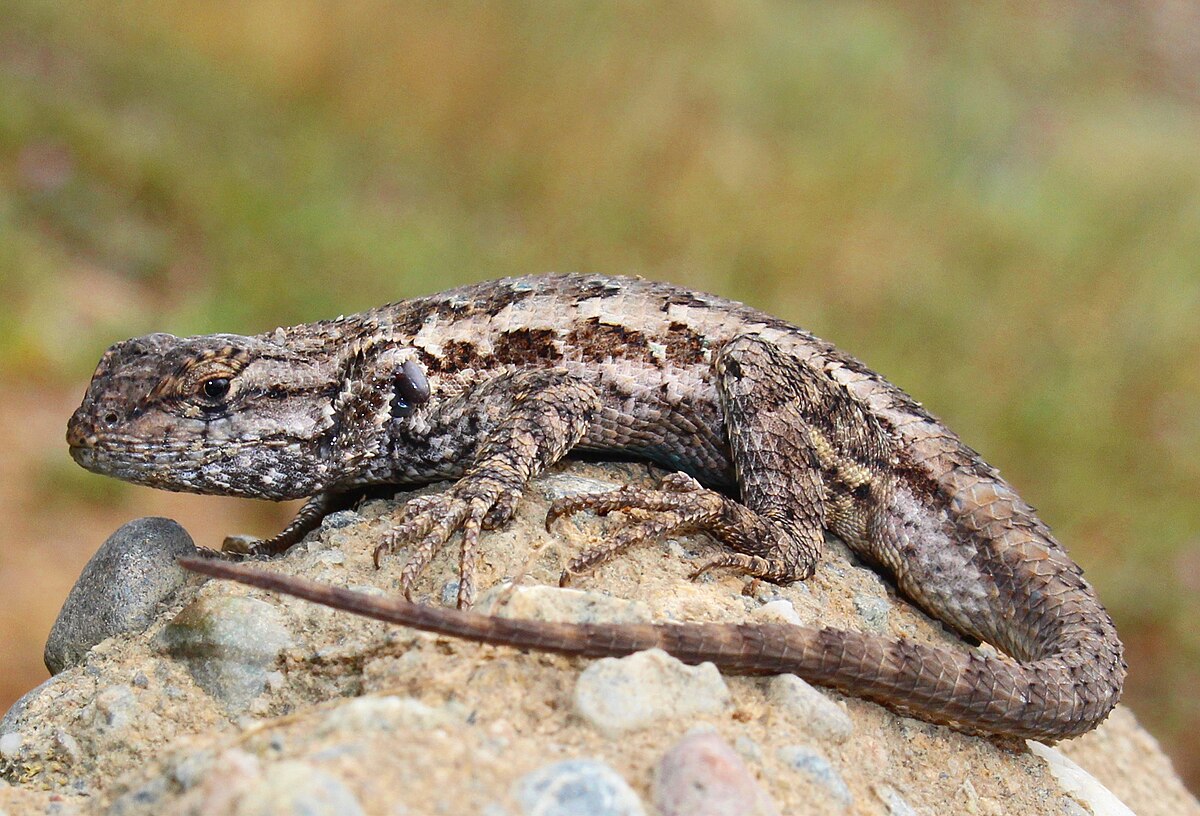
Western Fence Lizard
Sceloporus occidentalisAlso known as Blue-belly, Bluebelly Lizard, Western Fence-lizard
Western fence lizards spend warm daylight hours sunning themselves on rocks, wooden fences, and logs while scanning their surroundings for small insects. Their brilliant blue belly patches play a key role in territorial displays, where males perform rapid push-ups to ward off rivals. A protein in their blood kills the Lyme disease bacterium inside feeding western blacklegged ticks, dramatically lowering infection rates in their local habitats.
DiurnalReptileInsectivore
—observations
—countries
—peak records
Least ConcernConservation statusIUCN Red List categoriesLCNTVUENCREWEXLeast ConcernRed List categories, explained →
Diet & preyBeetles, Ants, Spiders
Predators
- Raptors
- Snakes
- Domestic Cats
ThreatsHabitat fragmentation, domestic cats, pesticide reduction of insect prey
HabitatsChaparral, open woodlands, grassland borders, coniferous forests, suburban yards
Life span5–7 years
Classification
- FamilyPhrynosomatidae
- GenusSceloporus
- SpeciesSceloporus occidentalis
Range data is not available yet.
Interaction riskLow
- Low
- Moderate
- High
- Very high
- Why interaction risk is low
- Safe to observe at a normal distance.
Responsible observation
- Observation: Approach slowly on bright sunny mornings when lizards are basking on fences or rocks.
- Handling: Avoid grabbing by the tail, as it easily detaches as a defensive escape mechanism.
- Garden Habitat: Leave rock piles or wooden fences in suburban yards to encourage natural pest control.
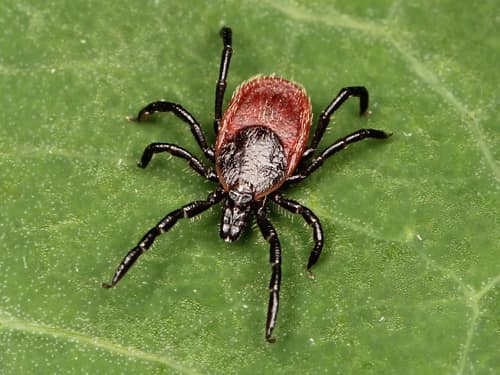
Parasite no rights reserved, uploaded by Zygy · cc0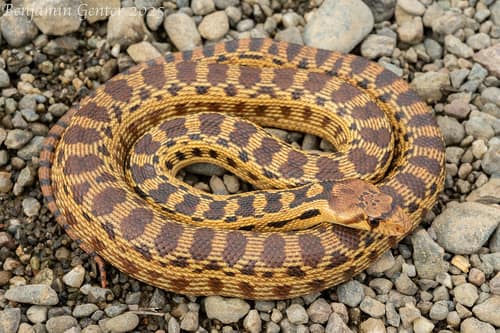
Predator Benjamin Genter / Public domain · cc0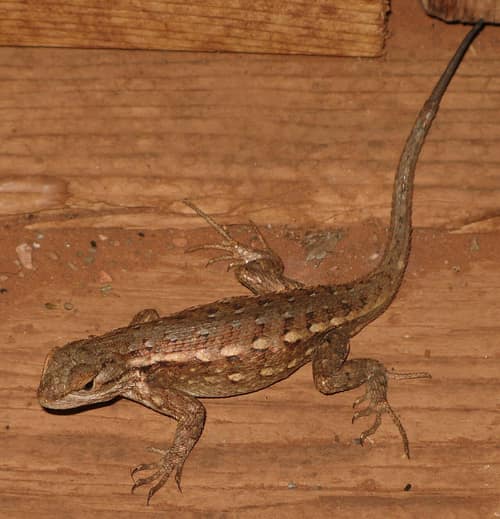
Close Relative Geographer (talk) / CC BY 2.5 · cc-by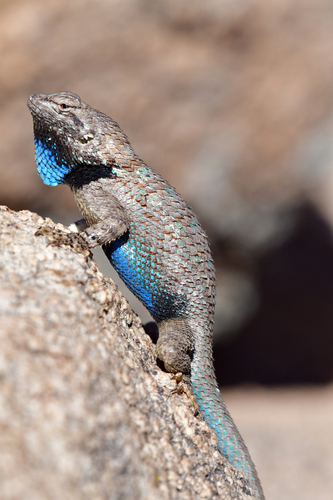
Close Relative (c) Tom Kennedy, some rights reserved (CC BY), uploaded by Tom Kennedy · cc-by
Help improve the field guideSomething wrong?
Checking your Fauna account…Report a name, category, or profile issue for review.