
Bird
Red-tailed Hawk
Buteo jamaicensisAlso known as Chickenhawk, Redtail, Red-tailed Buzzard
Red-tailed Hawks soar lazily above open country and highways, scanning grassy margins for rodents using exceptionally keen eyesight. Their iconic, raspy scream is so universally recognized that Hollywood frequently dubs it over footage of eagles and other raptors. Monogamous pairs construct bulky stick nests high in mature trees or on cliff ledges, often reusing and enlarging them year after year.
RaptorCarnivoreDiurnal
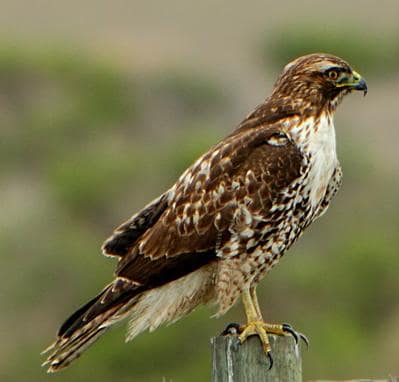
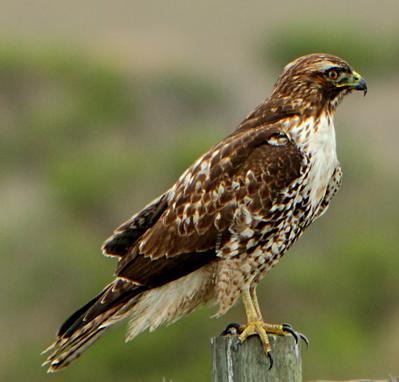
—observations
—countries
—peak records
Least ConcernConservation statusIUCN Red List categoriesLCNTVUENCREWEXLeast ConcernRed List categories, explained →
Diet & preyField Voles, Eastern Cottontail, Garter Snakes
Predators
- Great Horned Owl
- Golden Eagle
- Coyote
ThreatsVehicle collisions, secondary rodenticide poisoning, powerline electrocution
HabitatsGrasslands, open woodlands, agricultural fields, deserts, suburban areas
Life span10–20 years in the wild
Classification
- OrderAccipitriformes
- FamilyAccipitridae
- GenusButeo
- SpeciesButeo jamaicensis
Range data is not available yet.
Interaction riskLow
- Low
- Moderate
- High
- Very high
- Why interaction risk is low
- Possesses sharp talons and beak; keep a safe distance and do not handle wild birds.
- Why it is dangerous
- Sharp, powerful talons and a strong hooked beak can inflict severe lacerations if the bird is cornered or handled.
- How to recognize a risky encounter
- Look for broad rounded wings, a light breast with a speckled belly band, and a bright reddish-orange tail.
- What to do
- Observe from a distance with binoculars and contact a licensed wildlife rehabilitator if an injured hawk is found.
Responsible observation
- Binocular Viewing: Scan telephone poles, fence posts, and treetops along highway margins where adults frequently perch while hunting.
- Nesting Etiquette: Maintain a wide distance from active stick nests during spring to avoid distressing breeding adults.
- Identification Clue: Look for the characteristic dark belly band on light undersides and the broad rufous tail of adults in flight.
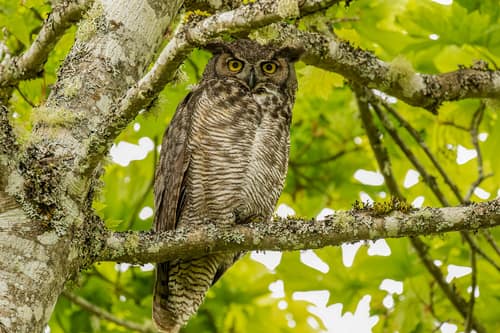
Competitor "Great Horned Owl, the first I've seen in decent light this year. Didn't want to disturb it for too long so we continued along the trail" by island deborah- is licensed under CC BY-SA 2.0. To view a copy of this license, visit https://creativecommons.org/licenses/by-sa/2.0/. · cc-by-sa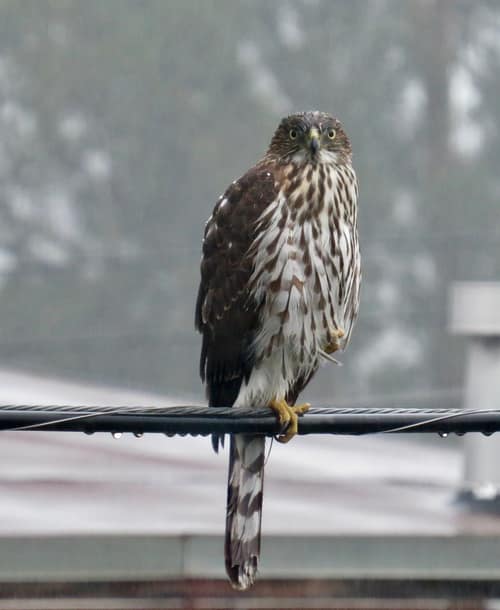
Co-Occurring Raptor "Cooper's Hawk - immature" by Kaaren Perry is licensed under CC BY 2.0. To view a copy of this license, visit https://creativecommons.org/licenses/by/2.0/. · cc-by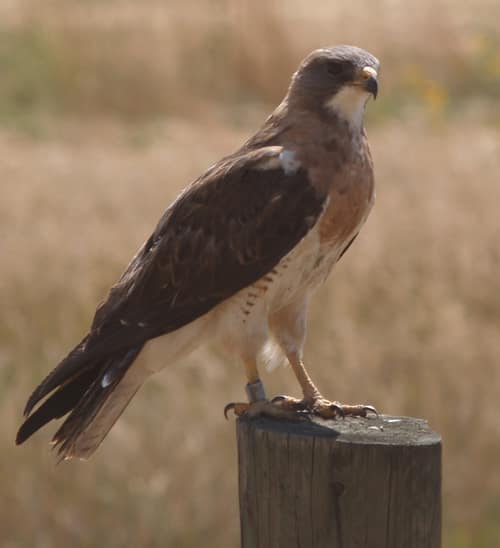
Close Relative Flickr user lostinfog . Photo edited and uploaded to commons by user ltshears / CC BY-SA 2.0 · cc-by-sa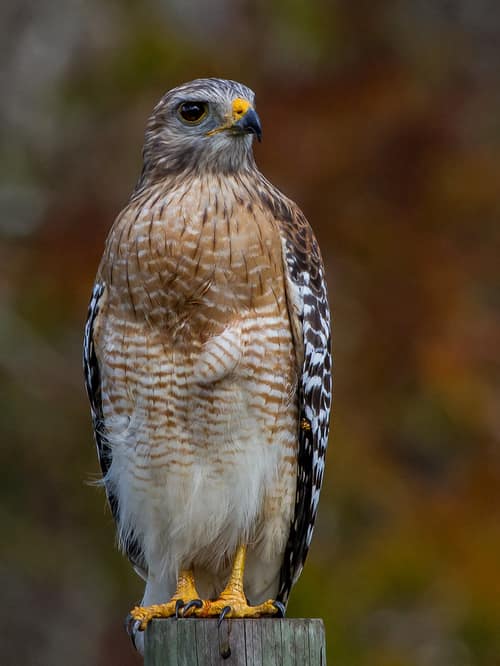
Close Relative "Red-shouldered Hawk (and Ladybug)" by Andy Morffew is licensed under CC BY 2.0. To view a copy of this license, visit https://creativecommons.org/licenses/by/2.0/. · cc-by
Keep collecting in Fauna
Found in Collections
Ecosystem chain Pro
Mystic Meadows
Red-tailed Hawk is found in this collection. Identify it in Fauna to fill this slot and continue your progress.
Unlock to track progress
Help improve the field guideSomething wrong?
Checking your Fauna account…Report a name, category, or profile issue for review.