
Mammal · GBIF taxon 2436618
Barbary Macaque
Macaca sylvanusAlso known as Barbary Ape, Magot
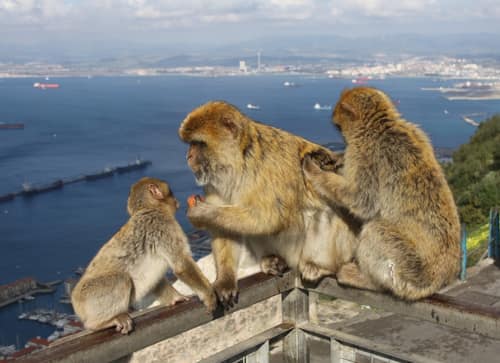
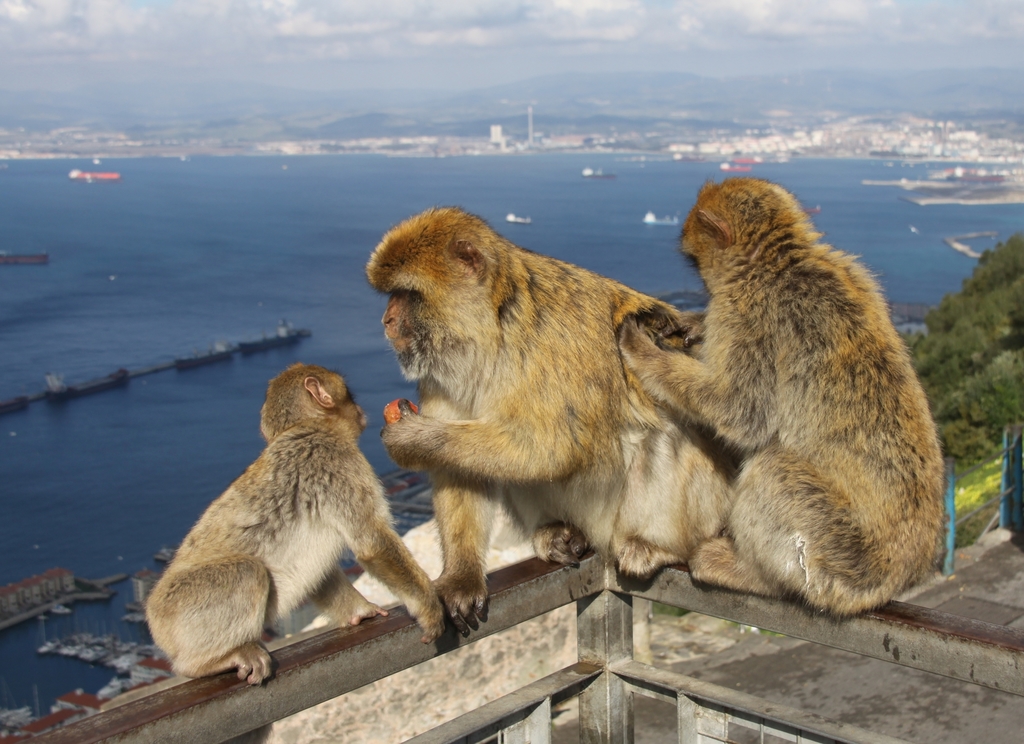
Barbary macaques move in matriarchal troops through the high-altitude cedar forests of North Africa and the crags of Gibraltar. Uniquely among macaques, males actively participate in infant care, carrying and grooming babies to build social bonds and defuse tensions. Their thick, yellowish-brown coats protect them from frigid mountain winters, while cheek pouches allow quick food collection during foraging trips.
SocialMontaneTailless
—observations
—countries
—peak records
EndangeredConservation statusIUCN Red List categoriesLCNTVUENCREWEXEndangeredRed List categories, explained →
Diet & prey
- Acorns
- Cedar cones
- Insects
Predators
- Golden eagles
- Domestic dogs
- Leopards
ThreatsHabitat loss, illegal pet trade, climate change, conflicts with human visitors
HabitatsHigh-altitude cedar and oak forests, rocky cliffs, gorges
Life span15–20 years
Size / weightNot available
Classification
- FamilyCercopithecidae
- SpeciesMacaca sylvanus
Range data is not available yet.
Interaction riskModerate
- Low
- Moderate
- High
- Very high
- Why interaction risk is moderate
- Can bite if cornered or enticed with food; observe from a safe distance and never feed.
- Why it is dangerous
- Strong jaws and long canine teeth can inflict severe bite wounds, while wild primates can transmit zoonotic diseases.
- How to recognize a risky encounter
- A stocky, tailless monkey with dense sand-brown fur, a pale face, and prominent cheek pouches.
- What to do
- Maintain a distance of several meters, secure food items out of sight, and back away slowly if an individual approaches.
- What to notice
- Easily recognized as the only native primate in Europe and North Africa, possessing a heavy build and no tail.
- Support conservation
- Never purchase wild-caught primates, report illegal pet sales to authorities, and stay on marked trails when visiting reserves.
Responsible observation
- Maintain Distance: Stay at least 5 meters away, especially around mothers with young infants.
- Secure Belongings: Keep bags closed and avoid holding food or shiny items near troops.
- Never Feed: Handouts disrupt natural foraging habits and increase aggression toward humans.
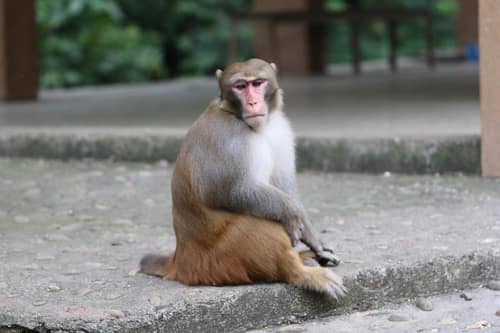
Close Relative (c) Donald Hobern, some rights reserved (CC BY) · cc-by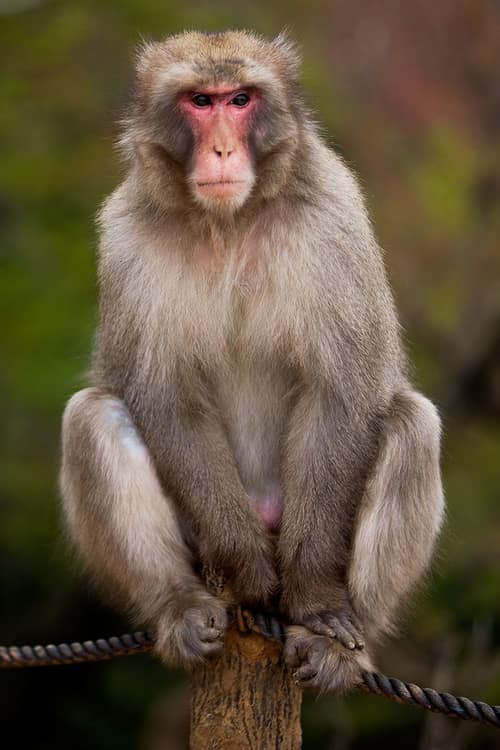
Close Relative "Japanese Macaque Monkey" by .curt. is licensed under CC BY 2.0. To view a copy of this license, visit https://creativecommons.org/licenses/by/2.0/. · cc-by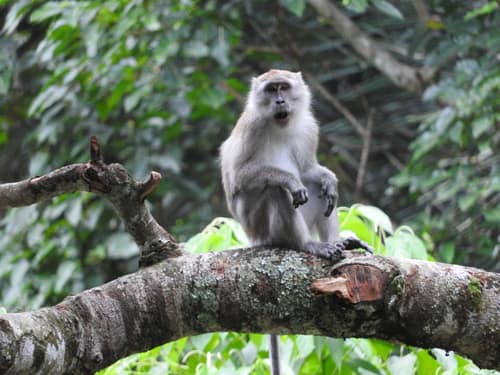
Close Relative (c) Subir B. Shakya, some rights reserved (CC BY), uploaded by Subir B. Shakya · cc-by
Help improve the field guideSomething wrong?
Checking your Fauna account…Report a name, category, or profile issue for review.