
Mammal · GBIF taxon 2436608
Japanese Macaque
Macaca fuscataAlso known as Snow Monkey, Nihonzaru
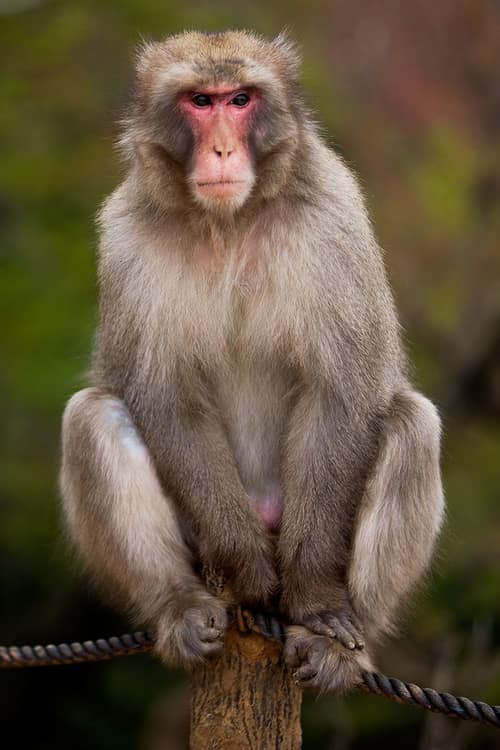
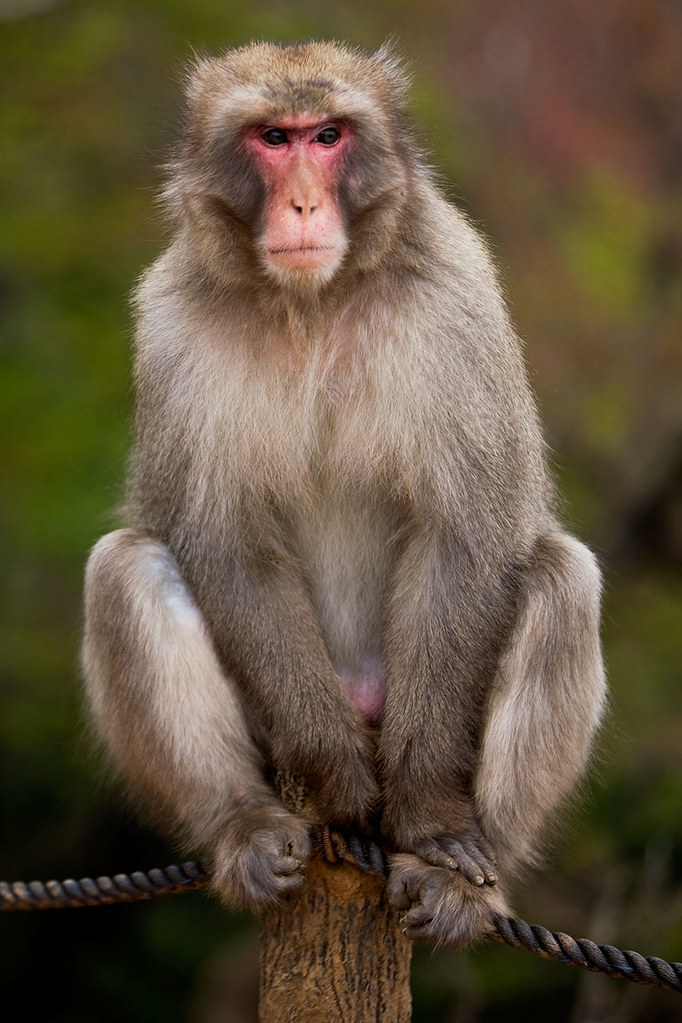
Renowned for surviving harsh northern winters, Japanese macaques live in complex, matrilineal troops governed by strict social hierarchies. Group members strengthen social bonds through grooming and maintain peace with a rich repertoire of vocalizations, facial expressions, and body postures. In famous geothermal areas, troops gather in natural hot springs to forage and soak during freezing winter days.
SocialPrimateAdaptable
—observations
—countries
—peak records
Least ConcernConservation statusIUCN Red List categoriesLCNTVUENCREWEXLeast ConcernRed List categories, explained →
Diet & prey
- Tree bark
- Acorns and seeds
- Insects
Predators
- Mountain hawk-eagles
- Feral dogs
- Humans
ThreatsHabitat loss, agricultural conflict, extreme winter weather
HabitatsMountain forests, deciduous woodlands, subalpine regions
Life span20–30 years
Size / weightNot available
Classification
- OrderPrimates
- FamilyCercopithecidae
- GenusMacaca
- SpeciesMacaca fuscata
Native
Interaction riskModerate
- Low
- Moderate
- High
- Very high
- Why interaction risk is moderate
- May defend food or territory; maintain a safe distance and avoid making direct eye contact.
- Why it is dangerous
- Equipped with strong jaws and long canine teeth that can inflict serious bite wounds if threatened or guarding food.
- How to recognize a risky encounter
- Stocky monkey with thick brownish-grey fur, a bright pink-to-red face, and a short tail stump.
- What to do
- Maintain a distance of at least five meters, never offer food, and back away slowly if a monkey displays aggressive postures.
Responsible observation
- Observe quietly: Avoid sudden movements or loud noises that could be interpreted as aggression.
- Keep food concealed: Secure all snacks in sealed bags, as monkeys quickly recognize food packaging.
- Avoid direct gaze: Do not stare directly into a macaque's eyes or display open-mouthed smiles.
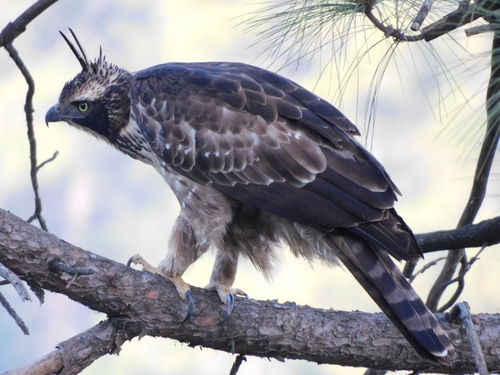
Predator (c) Jagdish Singh Negi, some rights reserved (CC BY), uploaded by Jagdish Singh Negi · cc-by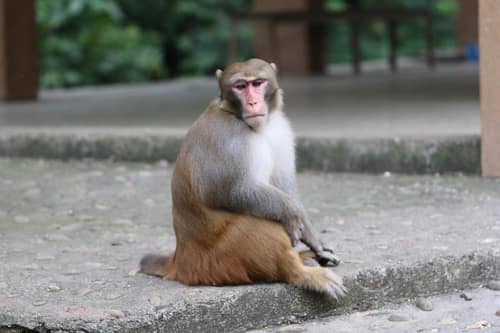
Close Relative (c) Donald Hobern, some rights reserved (CC BY) · cc-by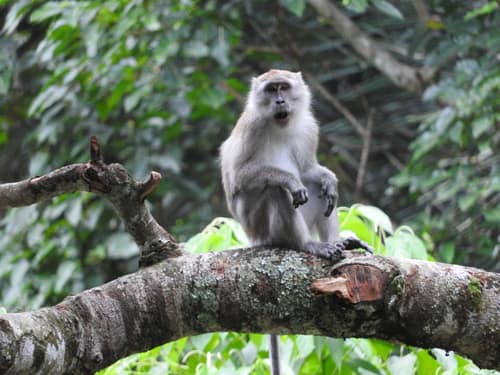
Close Relative (c) Subir B. Shakya, some rights reserved (CC BY), uploaded by Subir B. Shakya · cc-by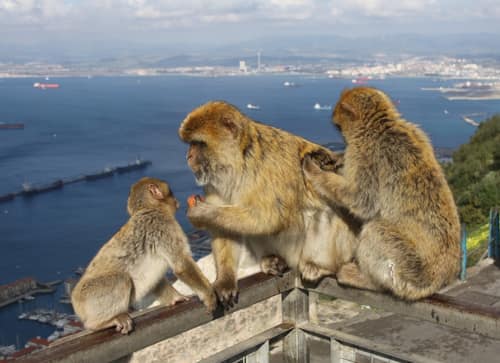
Close Relative (c) boaski, some rights reserved (CC BY-SA) · cc-by-sa
Keep collecting in Fauna
Found in Collections
Species set Pro
Emerald Kingdom
Japanese Macaque is found in this collection. Identify it in Fauna to fill this slot and continue your progress.
Unlock to track progress
Help improve the field guideSomething wrong?
Checking your Fauna account…Report a name, category, or profile issue for review.