
Mammal · GBIF taxon 2436603
Long-tailed Macaque
Macaca fascicularisAlso known as Crab-eating Macaque, Cynomolgus Monkey
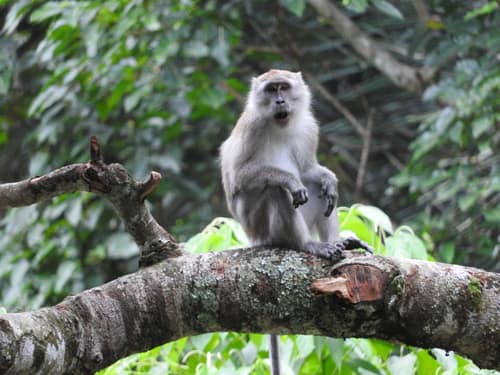
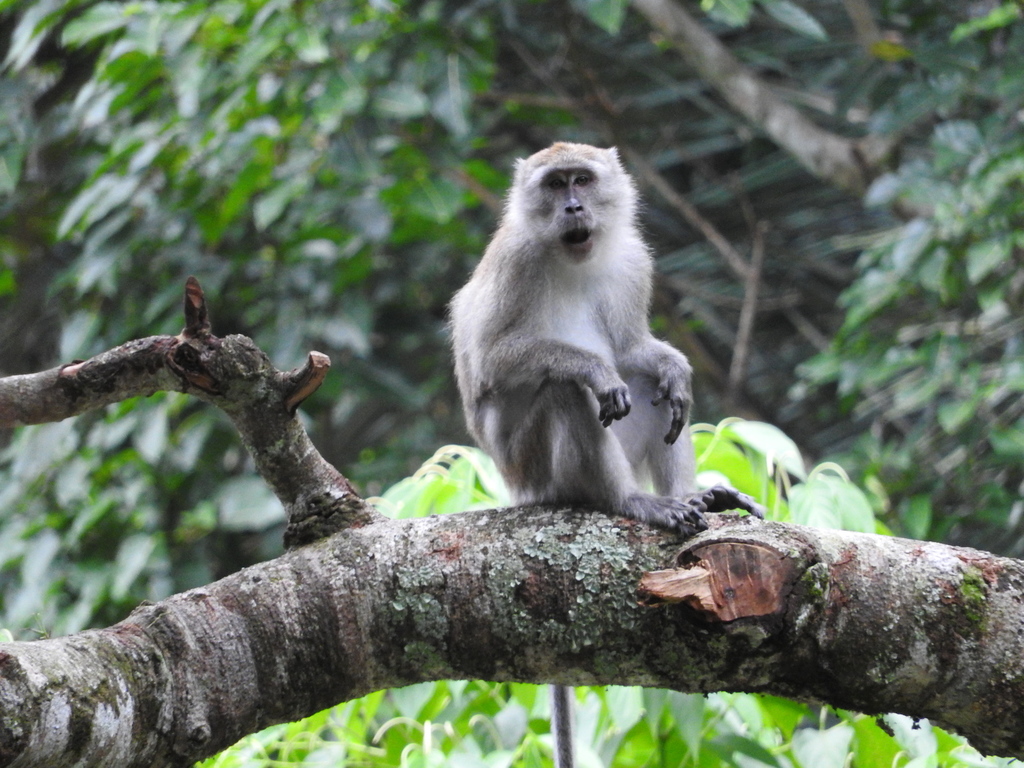
Long-tailed macaques live in tight-knit, matriarchal troops that navigate coastal mangroves, rainforests, and urban fringes with equal agility. Highly intelligent and opportunistic, these primates use rich vocalizations, subtle facial expressions, and body postures to maintain complex social hierarchies. Their long, versatile tails provide balance while leaping through treetops or foraging along riverbanks.
SocialTree DwellerIntelligent
 1 / 7
1 / 7—observations
—countries
—peak records
EndangeredConservation statusIUCN Red List categoriesLCNTVUENCREWEXEndangeredRed List categories, explained →
Diet & prey
- Crabs
- Insects
- Fruits
Predators
- Pythons
- Philippine Eagle
- Leopards
ThreatsHabitat loss, illegal capture for biomedical research, human persecution
HabitatsMangroves, coastal forests, secondary forests, riverbanks, urban fringes
Life span20–30 years
Size / weightNot available
Classification
- OrderPrimates
- FamilyCercopithecidae
- GenusMacaca
- SpeciesMacaca fascicularis
Native Introduced
Native range in olive; established introduced range in rust.
Interaction riskModerate
- Low
- Moderate
- High
- Very high
- Why interaction risk is moderate
- Capable of inflicting severe bites and carrying zoonotic pathogens; maintain distance and never offer food.
- Why it is dangerous
- Canine bites can cause deep tissue damage and transmit herpes B virus, rabies, or bacterial infections.
- How to recognize a risky encounter
- Recognized by olive-brown fur, a light grey chest, white eyelid patches, and a tail longer than its head-body length.
- What to do
- Avoid direct eye contact or showing teeth, backing away slowly if a monkey displays threats or lunges.
- What to notice
- Medium-sized primates traveling in noisy, active social troops along coastal margins and forest canopy levels.
- Support conservation
- Report illegal trapping or pet keeping to wildlife authorities, and refrain from paying for photos with captive troops.
Responsible observation
- Observe from Distance: Maintain at least 10 to 15 meters to prevent aggressive territorial responses.
- Never Offer Food: Feeding conditions monkeys to associate humans with food, increasing bite risks.
- Secure Belongings: Keep food, loose items, cameras, and bags zipped shut around habituated troops.
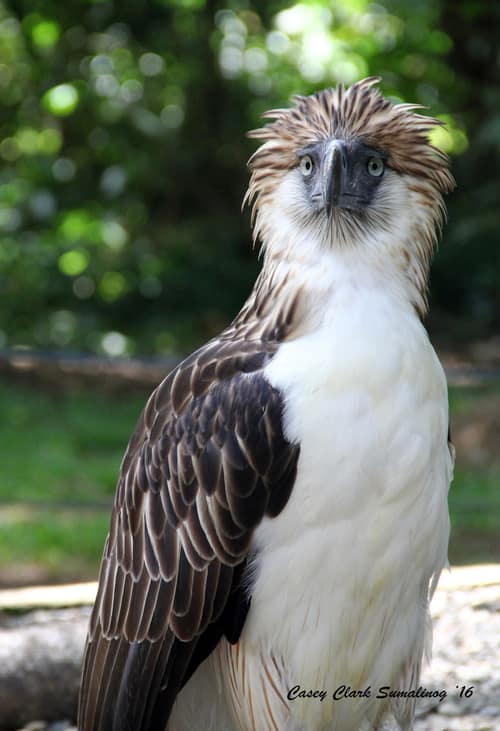
Predator (c) Vreni Gem O. Caasi, some rights reserved (CC BY), uploaded by Vreni Gem O. Caasi · cc-by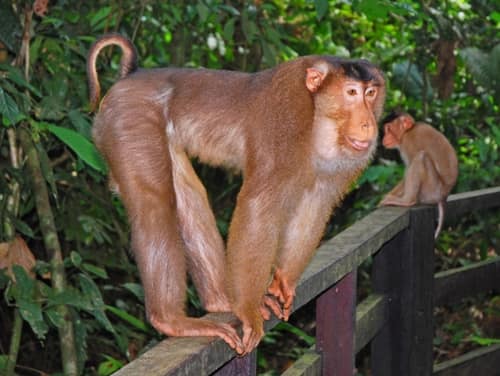
Close Relative (c) Ettore Balocchi, some rights reserved (CC BY) · cc-by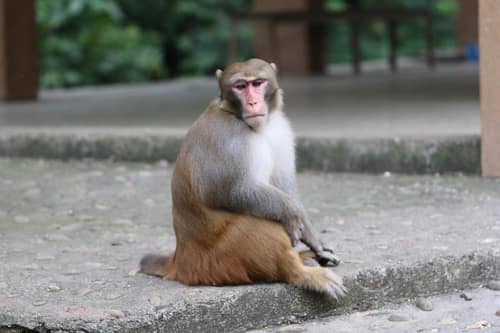
Close Relative (c) Donald Hobern, some rights reserved (CC BY) · cc-by
Keep collecting in Fauna
Found in Collections
Species set Pro
Emerald Kingdom
Long-tailed Macaque is found in this collection. Identify it in Fauna to fill this slot and continue your progress.
Unlock to track progress
Help improve the field guideSomething wrong?
Checking your Fauna account…Report a name, category, or profile issue for review.