
Mammal · GBIF taxon 2436604
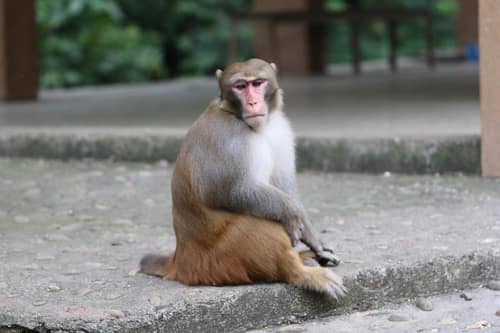
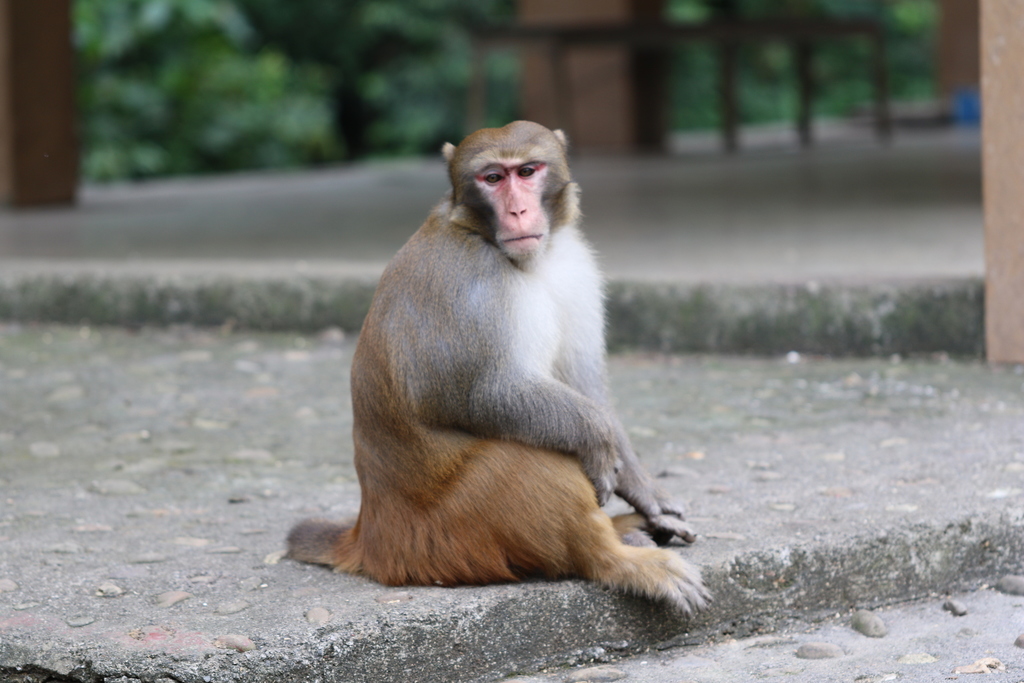
Rhesus Macaque
Macaca mulattaAlso known as Rhesus Monkey, Bandar
Rhesus macaques live in highly structured troops led by matrilineal hierarchies, communicating through a complex array of facial expressions, vocalizations, and postures. Extremely adaptable, these primates thrive in environments ranging from high-altitude mountain forests to bustling urban temples and cities. Their bold demeanor and opportunistic feeding habits often bring them into close contact with human populations.
DiurnalSocialAdaptable
—observations
—countries
—peak records
Least ConcernConservation statusIUCN Red List categoriesLCNTVUENCREWEXLeast ConcernRed List categories, explained →
Diet & prey
- Fruits
- Seeds
- Insects
Predators
- Leopards
- Tigers
- Feral Dogs
ThreatsHabitat Fragmentation, Human Conflict
HabitatsForests, Scrublands, Mountains, Urban Areas
Life span15–25 years
Size / weightNot available
Classification
- OrderPrimates
- FamilyCercopithecidae
- GenusMacaca
- SpeciesMacaca mulatta
Native Introduced
Native range in olive; established introduced range in rust.
Interaction riskModerate
- Low
- Moderate
- High
- Very high
- Why interaction risk is moderate
- Can transmit dangerous diseases through bites and scratches; observe from a safe distance and never feed them.
- Why it is dangerous
- Carries zoonotic pathogens including Herpes B virus and rabies, which can transmit via bites, scratches, or bodily fluids.
- How to recognize a risky encounter
- Look for a brownish-grey coat, reddish-pink bare face, and a medium-length tail.
- What to do
- Never approach, feed, or corner a macaque; back away slowly if one approaches aggressively.
Responsible observation
- Maintain Distance: Stay at least 10 meters away, especially around troops with juveniles.
- Avoid Directly Staring: Direct eye contact and showing teeth are interpreted as aggressive threats.
- Secure Belongings: Keep food and shiny objects hidden to avoid attracting curious individuals.
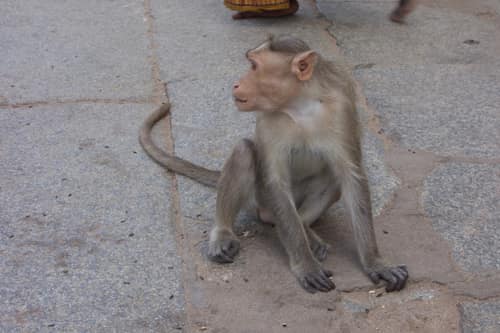
Close Relative (c) Stefano Menchetti, some rights reserved (CC BY-SA), uploaded by Stefano Menchetti · cc-by-sa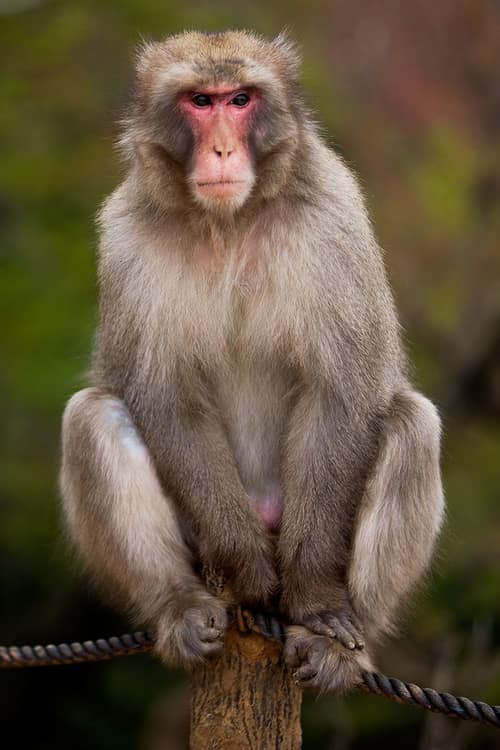
Close Relative "Japanese Macaque Monkey" by .curt. is licensed under CC BY 2.0. To view a copy of this license, visit https://creativecommons.org/licenses/by/2.0/. · cc-by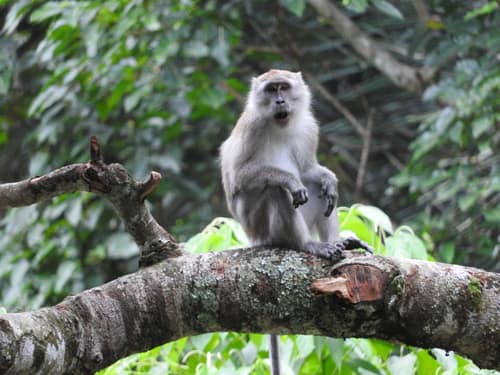
Close Relative (c) Subir B. Shakya, some rights reserved (CC BY), uploaded by Subir B. Shakya · cc-by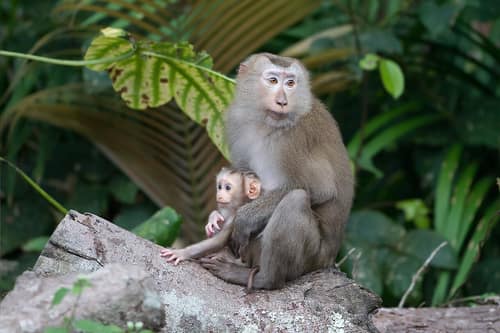
Close Relative JJ Harrison (https://www.jjharrison.com.au/) / CC BY-SA 3.0 · cc-by-sa
Keep collecting in Fauna
Found in Collections
Species set Pro
Emerald Kingdom
Rhesus Macaque is found in this collection. Identify it in Fauna to fill this slot and continue your progress.
Unlock to track progress
Help improve the field guideSomething wrong?
Checking your Fauna account…Report a name, category, or profile issue for review.