
Arachnid
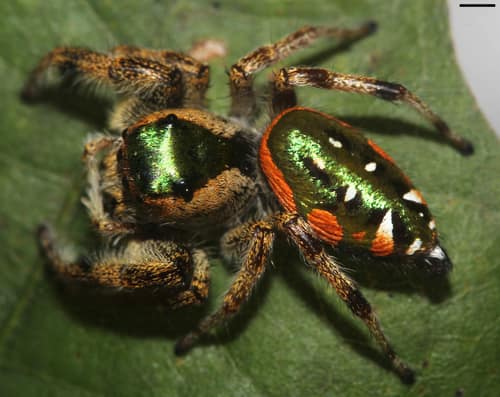
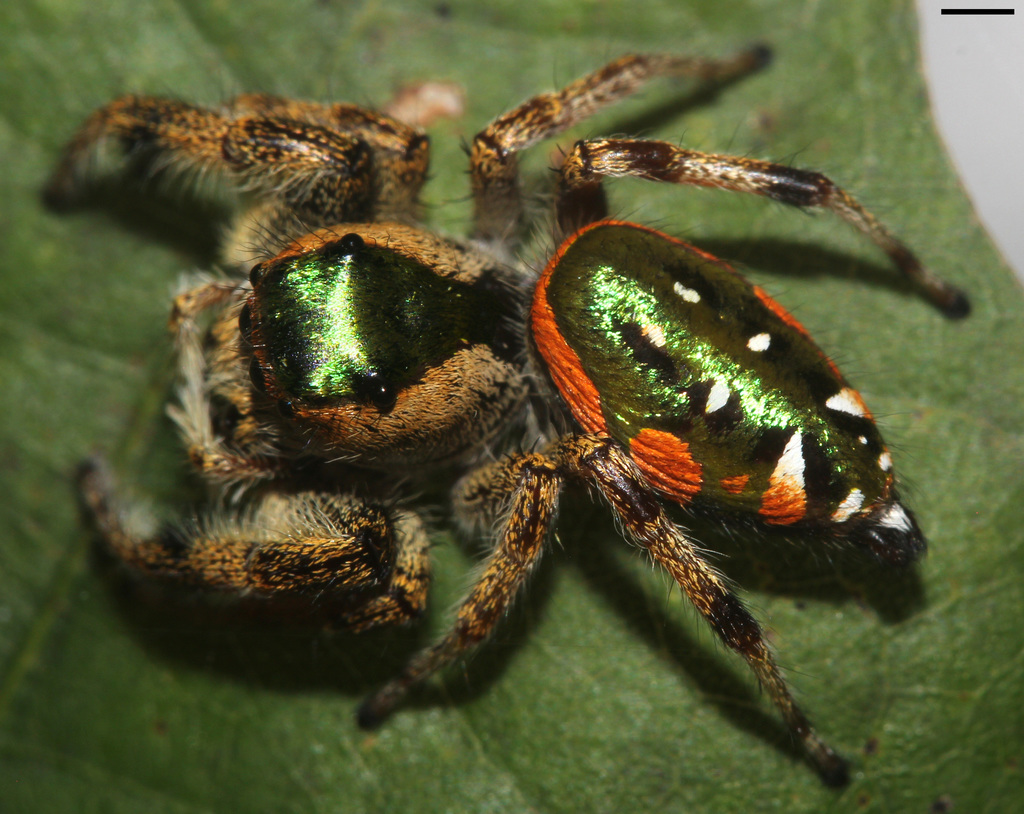
Golden Jumping Spider
Paraphidippus aurantiusAlso known as Emerald Jumping Spider
Golden jumping spiders stalk sunlit foliage and tree trunks by day, relying on keen binocular vision to spot and ambush prey from several body lengths away. Before every leap, the spider anchors a silk dragline to the leaf or bark so it can recover safely if a pounce misses. Females weave dense silken retreats inside curled leaves or under loose bark to guard their egg sacs, while iridescent emerald and gold scales give both sexes a metallic sheen in direct sunlight.
DiurnalIridescentAmbush Hunter
—observations
—countries
—peak records
Not EvaluatedConservation statusIUCN Red List categoriesLCNTVUENCREWEXNot Evaluated — not placed on the risk ladderRed List categories, explained →
Diet & preyFlies, Small moths, Beetles
Predators
- Insectivorous birds
- Mud dauber wasps
- Assassin bugs
ThreatsPesticide use, habitat fragmentation, and predation by birds, wasps, and larger spiders
HabitatsDeciduous forests, woodland edges, gardens, shrubs, and tall herbaceous vegetation from eastern North America to Central America
Life spanAbout 1 year
Classification
- OrderAraneae
- FamilySalticidae
- GenusParaphidippus
- SpeciesParaphidippus aurantius
Range data is not available yet.
Interaction riskLow
- Low
- Moderate
- High
- Very high
- Why interaction risk is low
- Safe to observe at a normal distance; bites are rare and trivial, causing at most mild, brief redness.
Responsible observation
- Observation: Look on sunlit leaves, tree trunks, and garden shrubs during warm midday hours when they actively hunt.
- Approach: Move slowly and avoid casting a sudden shadow, as their sharp vision detects movement from over a meter away.
- Photography: Use natural sunlight to bring out the metallic green and gold iridescence on the abdomen and cephalothorax.
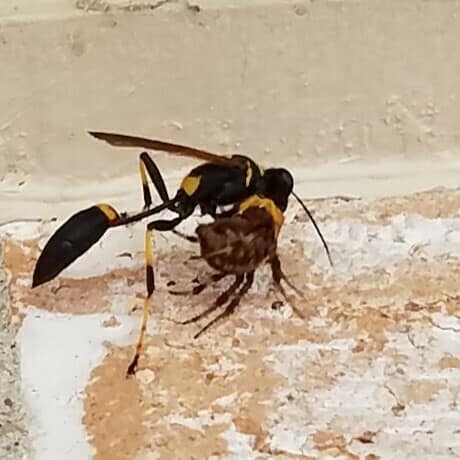
Predator (c) dhasdf, some rights reserved (CC BY) · cc-by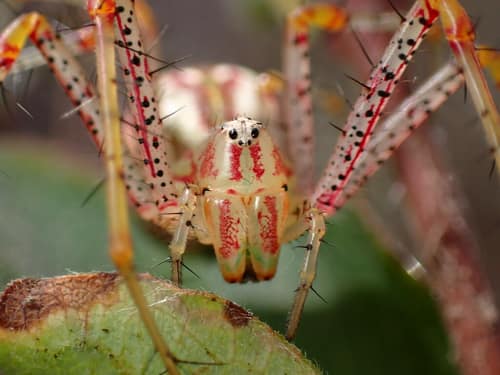
Competitor (c) Cricket Raspet, some rights reserved (CC BY), uploaded by Cricket Raspet · cc-by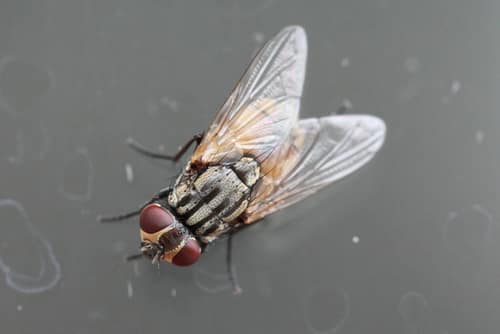
Prey no rights reserved, uploaded by Richard Fuller · cc0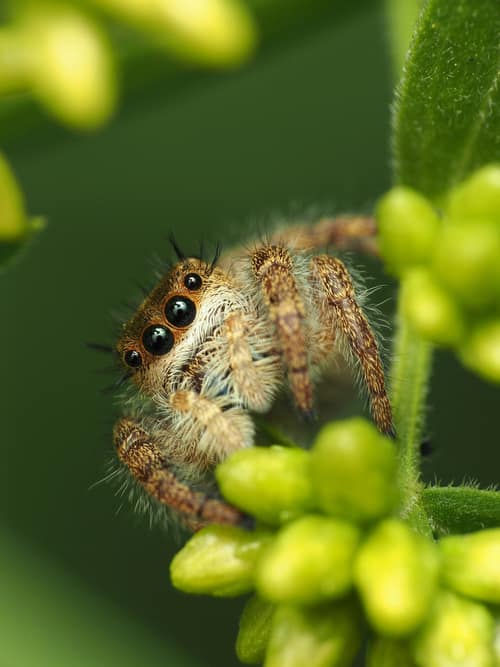
Same Family (c) Katja Schulz, some rights reserved (CC BY), uploaded by Katja Schulz · cc-by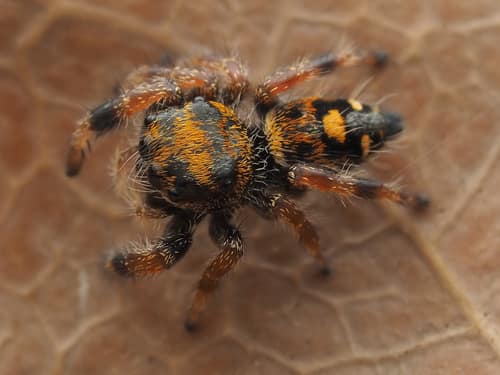
Same Family no rights reserved, uploaded by Zygy · cc0
Help improve the field guideSomething wrong?
Checking your Fauna account…Report a name, category, or profile issue for review.