
Insect · GBIF taxon 1524843
Common House Fly
Musca domesticaAlso known as House Fly, European Housefly, Domestic Fly
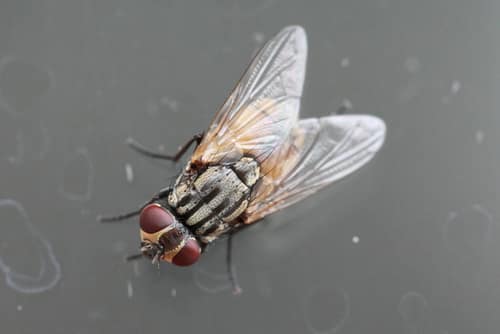
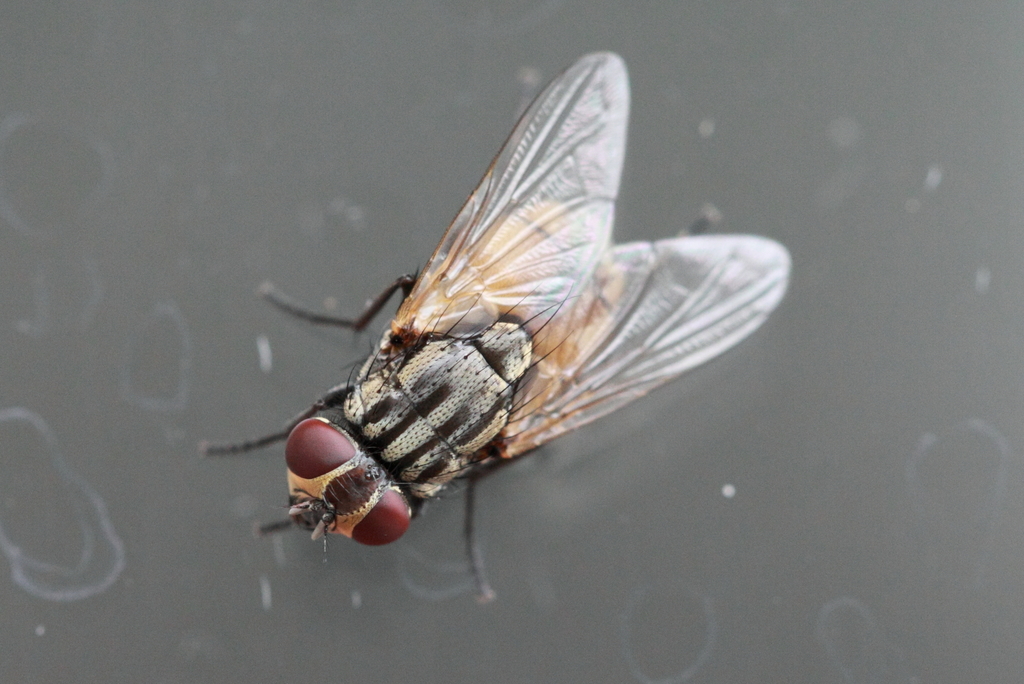
Common house flies are ubiquitous human commensals, thriving wherever human settlement and livestock are present. Equipped with sponging mouthparts, they regurgitate digestive fluids onto solid food to liquefy it before sucking it back up. Their incredibly fast reaction times and broad compound eyes make them extremely agile flyers and elusive targets.
CommensalDecomposerFast Breeding
—observations
—countries
—peak records
Not EvaluatedConservation statusIUCN Red List categoriesLCNTVUENCREWEXNot Evaluated — not placed on the risk ladderRed List categories, explained →
Diet & prey
- Decaying organic matter
- Fruit juices
- Animal manure
Predators
- Spiders
- Frogs
- Insectivorous Birds
ThreatsPesticides, sanitation improvements, traps, natural predators
HabitatsUrban areas, farmland, refuse sites, temperate and tropical regions worldwide
Life span15–30 days
Size / weightNot available
Classification
- OrderDiptera
- FamilyMuscidae
- GenusMusca
- SpeciesMusca domestica
Range data is not available yet.
Interaction riskModerate
- Low
- Moderate
- High
- Very high
- Why interaction risk is moderate
- House flies carry bacterial pathogens on their bodies; keep food covered and avoid contact.
- Why it is dangerous
- Transfers bacterial, viral, and parasitic pathogens such as Salmonella and E. coli from garbage to human food.
- How to recognize a risky encounter
- Recognized by four dark longitudinal stripes on a grey thorax and large red compound eyes.
- What to do
- Avoid touching flies directly and secure food in sealed containers or beneath mesh covers.
Responsible observation
- Sanitation: Keep household trash bins sealed tightly to prevent egg laying.
- Food Protection: Cover exposed food outdoors to avoid pathogen transfer from landing flies.
- Observation: Watch window panes on sunny days to view their compound eyes and mouthparts.
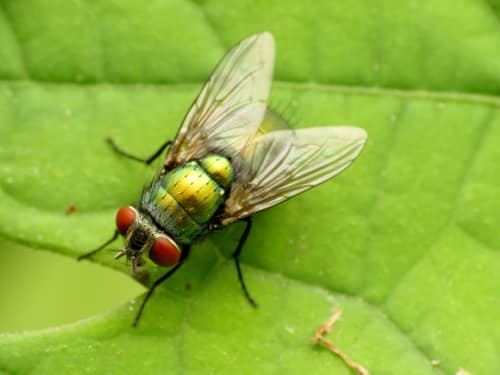
Co-Occurring Scavenger (c) Katja Schulz, some rights reserved (CC BY), uploaded by Katja Schulz · cc-by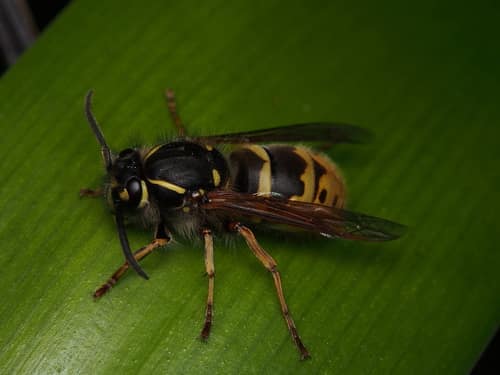
Predator (c) Tom, some rights reserved (CC BY), uploaded by Tom · cc-by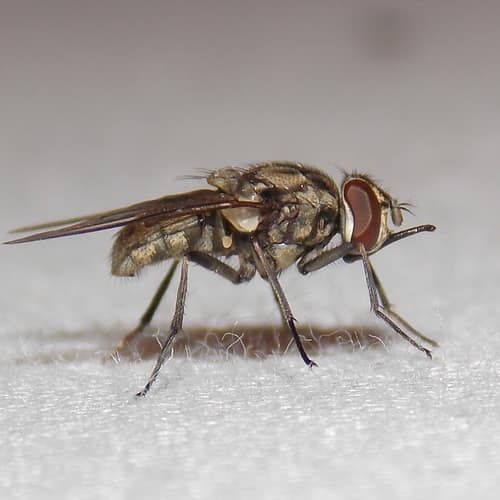
Look-Alike Relative (c) Fyn Kynd, some rights reserved (CC BY-SA), uploaded by Fyn Kynd · cc-by-sa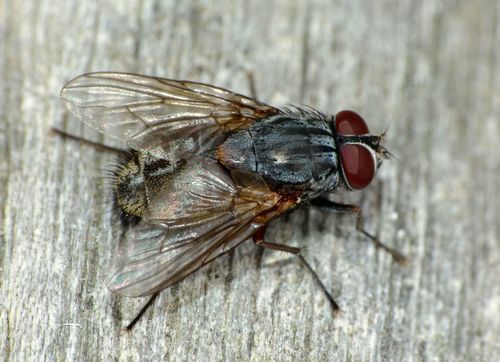
Close Relative (c) Steve Kerr, some rights reserved (CC BY), uploaded by Steve Kerr · cc-by
Help improve the field guideSomething wrong?
Checking your Fauna account…Report a name, category, or profile issue for review.