
Insect · GBIF taxon 1340481
Rusty Patch Bumblebee
Bombus affinisAlso known as Rusty-patched Bumblebee, Rusty Patched Bumble Bee
Rusty patch bumblebees are vital buzz pollinators that vibrate native flowers to release tightly held pollen across prairie grasslands and woodland edges. Nesting colonies are founded each spring by solitary queens, producing workers marked by a distinctive rust-colored patch on their second abdominal segment. Devastated by introduced pathogens and habitat fragmentation, remaining populations survive in scattered pockets across the Midwest and Northeast.
PollinatorEndangeredSocial Insect
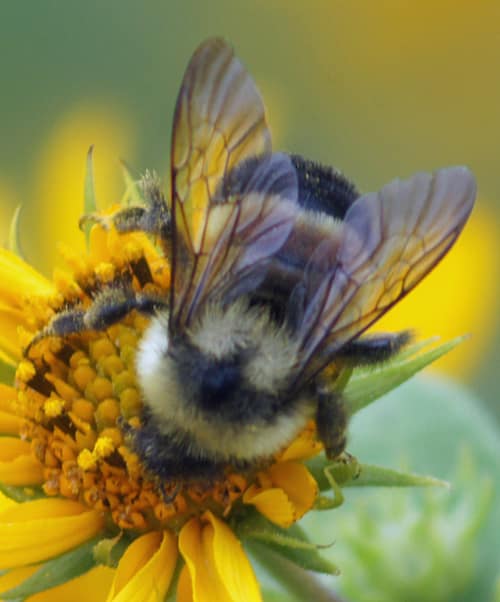
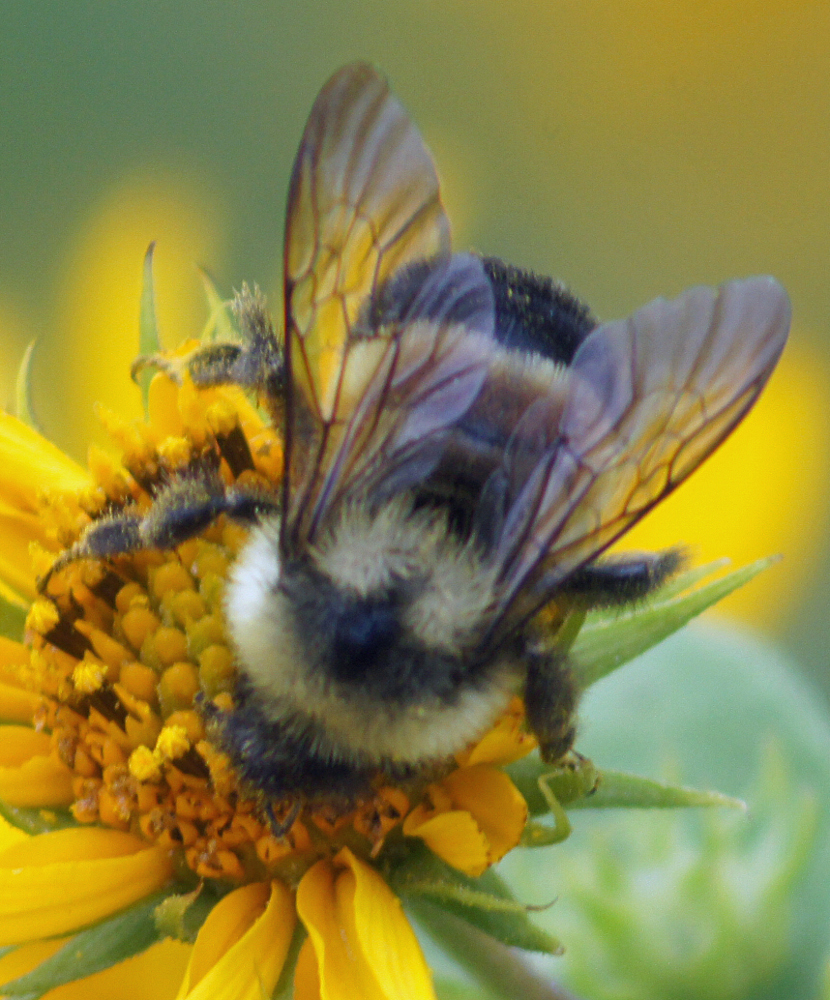
—observations
—countries
—peak records
Critically EndangeredConservation statusIUCN Red List categoriesLCNTVUENCREWEXCritically EndangeredRed List categories, explained →
Diet & prey
- Pollen
- Nectar
Predators
- Birds
- Robber flies
- Small mammals
ThreatsHabitat loss, introduced pathogens from commercial bees, pesticide exposure, and climate change
HabitatsTallgrass prairies, oak savannas, woodland margins, and urban gardens
Life span1 year for queens; 1 to 2 months for workers and males
Size / weightNot available
Classification
- OrderHymenoptera
- FamilyApidae
- GenusBombus
- SpeciesBombus affinis
Range data is not available yet.
Interaction riskLow
- Low
- Moderate
- High
- Very high
- Why interaction risk is low
- Females can sting when defending nests; observe peacefully without blocking flight paths.
- What to notice
- Look for a distinct reddish-brown patch bordered entirely by yellow on the second abdominal segment.
- Support conservation
- Do not capture or handle wild individuals; document sightings with non-invasive photography and submit to conservation projects.
Responsible observation
- Observation Tip: Look closely at native wildflowers like goldenrod and wild bergamot during midsummer.
- Habitat Support: Plant native blooming perennials and avoid lawn pesticide use to aid recovery.
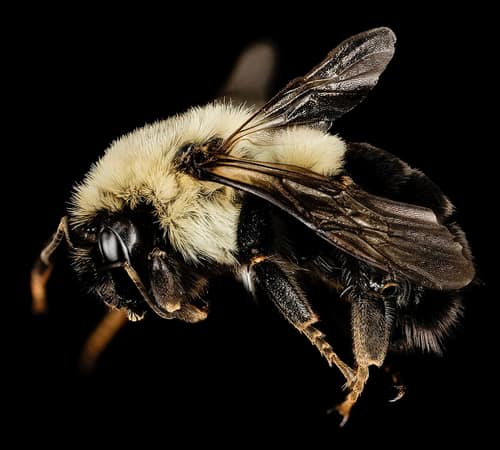
Competitor USGS Bee Inventory and Monitoring Lab from Beltsville, Maryland, USA / Public domain · cc0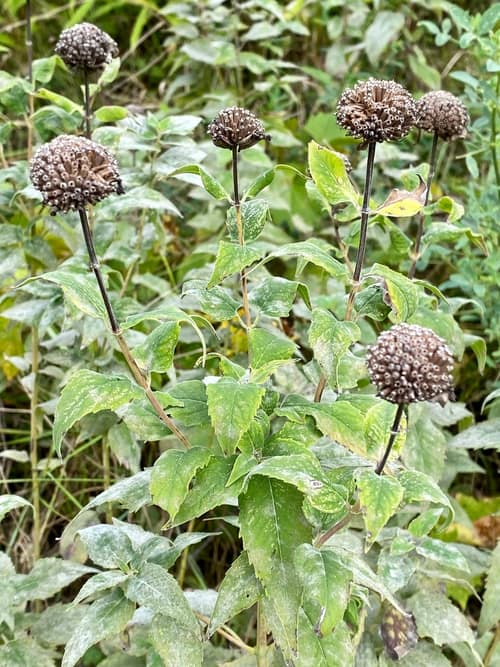
Host Plant (c) tzeducation, some rights reserved (CC BY), uploaded by tzeducation · cc-by
Close Relative (c) Bill Keim, some rights reserved (CC BY) · cc-by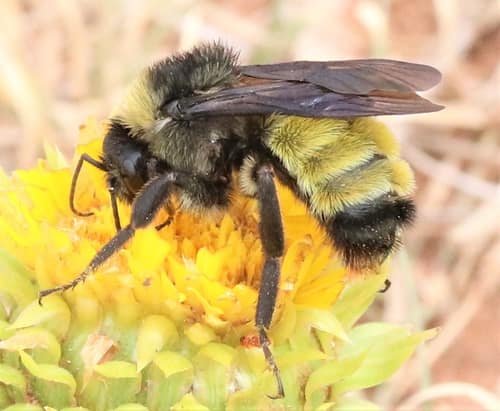
Close Relative (c) crseaquist, some rights reserved (CC BY), uploaded by crseaquist · cc-by
Help improve the field guideSomething wrong?
Checking your Fauna account…Report a name, category, or profile issue for review.