
Insect
Common Eastern Bumble Bee
Bombus impatiensAlso known as Common Eastern Bumblebee, Eastern Bumble Bee
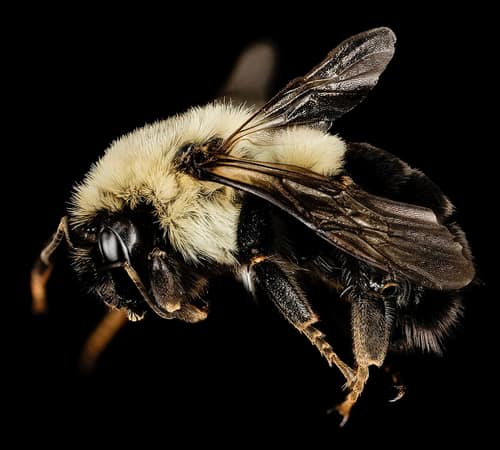
Common eastern bumble bees are adaptable, highly social pollinators named for their active, diligent foraging across gardens, meadows, and urban green spaces. Colonies nest underground in abandoned rodent burrows or grassy tussocks, where a single queen works alongside hundreds of female workers throughout the summer. As generalist foragers, they perform buzz pollination by vibrating their flight muscles to shake tightly held pollen free from flowers like tomatoes and blueberries.
PollinatorSocialAbundant

—observations
—countries
—peak records
Least ConcernConservation statusIUCN Red List categoriesLCNTVUENCREWEXLeast ConcernRed List categories, explained →
Diet & preyPollen, Nectar
Predators
- Crab Spiders
- Birds
- Robber Flies
ThreatsPesticide exposure, habitat loss, and pathogens spread from managed agricultural colonies
HabitatsTemperate forests, fields, gardens, suburbs, urban parks, and agricultural fields
Life spanQueens live up to 1 year; workers and males live 2–6 weeks
Classification
- OrderHymenoptera
- FamilyApidae
- GenusBombus
- SpeciesBombus impatiens
Range data is not available yet.
Interaction riskVery high
- Low
- Moderate
- High
- Very high
- Why interaction risk is very high
- Females deliver a painful sting if handled or stepped on; observe foraging bees from a comfortable distance.
- Why it is dangerous
- Females deliver a venomous sting containing peptides and histamines that cause localized pain and can trigger severe anaphylaxis in sensitive people.
- How to recognize a risky encounter
- Look for a yellow thorax with a central black patch and a single yellow band across the first abdominal segment.
- What to do
- Give active nests plenty of space and avoid sudden movements when bees are nearby; step back quietly if bees buzz defensively.
Responsible observation
- Planting Native Flora: Grow native perennials that bloom from spring to autumn to support local colonies.
- Hive Awareness: Give nest entrances in the ground a wide berth so workers do not feel threatened.
- Avoid Chemicals: Skip synthetic insecticides on flowering plants where foragers gather.
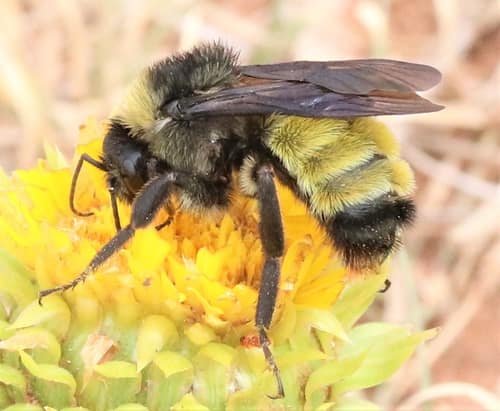
Competitor (c) crseaquist, some rights reserved (CC BY), uploaded by crseaquist · cc-by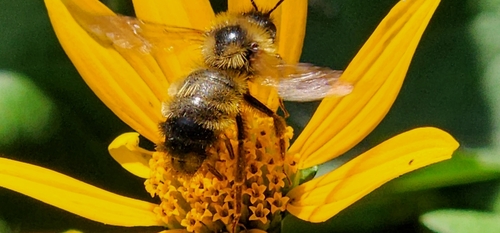
Social Parasite (c) Steven J. Røste, some rights reserved (CC BY) · cc-by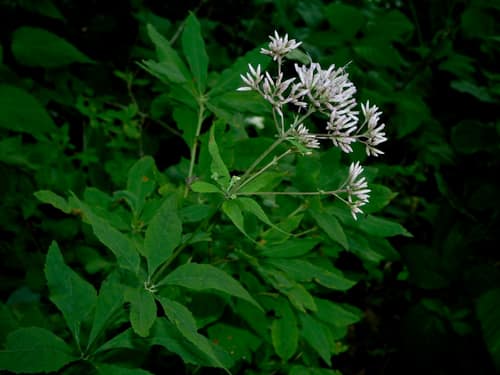
Foraging Source (c) Michael J. Papay, some rights reserved (CC BY), uploaded by Michael J. Papay · cc-by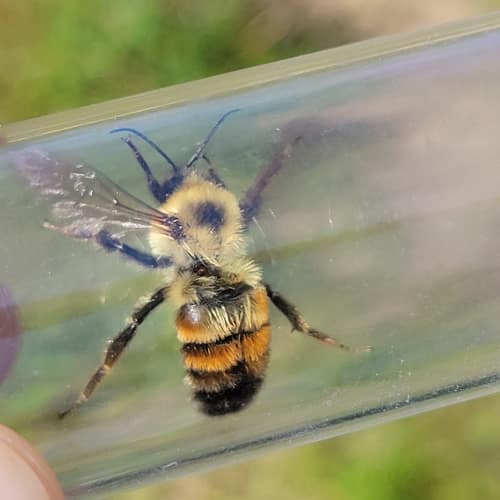
Close Relative (c) Matt Pelikan, some rights reserved (CC BY), uploaded by Matt Pelikan · cc-by
Help improve the field guideSomething wrong?
Checking your Fauna account…Report a name, category, or profile issue for review.