
Plant · GBIF taxon 5341411
Wild Bergamot
Monarda fistulosaAlso known as Bee Balm, Aromatic Bee Balm, Purple Bee Balm
Wild bergamot produces dramatic clusters of lavender to violet tubular flowers radiating from dense, spherical heads throughout mid to late summer. A staple of North American prairies and open woodlands, its aromatic foliage releases a spicy, oregano-like fragrance when crushed. Bumblebees, clearwing moths, and hummingbirds actively forage at its nectar-rich blossoms, which play a crucial ecological role in supporting native pollinators.
FragrantPollinator MagnetWildflower
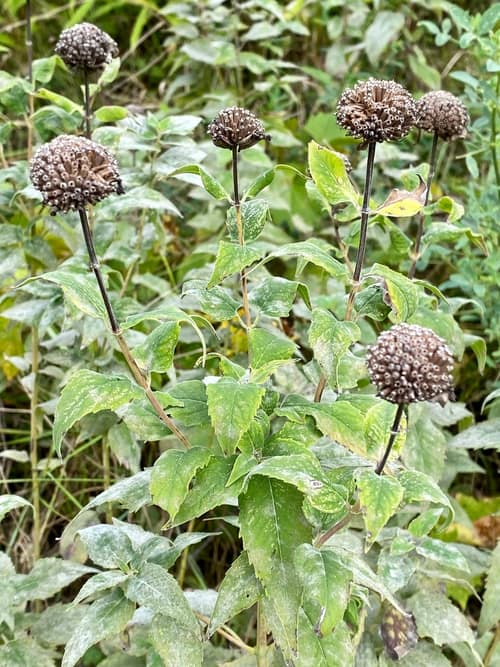
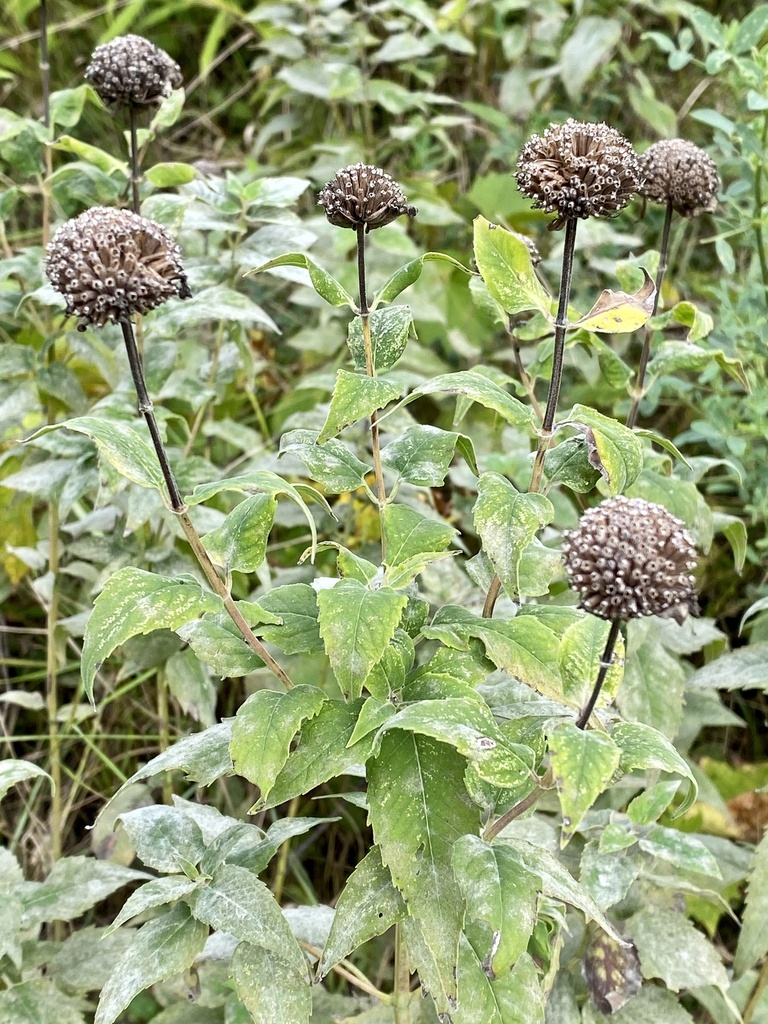 1 / 7
1 / 7—observations
—countries
—peak records
Least ConcernConservation statusIUCN Red List categoriesLCNTVUENCREWEXLeast ConcernRed List categories, explained →
Diet & prey
- Autotrophic
Predators
- American Goldfinch
- Sphinx Moth Caterpillars
ThreatsHabitat loss and agricultural land clearance
HabitatsPrairies, dry fields, open woodlands, and roadsides
Life spanPerennial (5–10+ years)
Size / weightNot available
Classification
- OrderLamiales
- FamilyLamiaceae
- GenusMonarda
- SpeciesMonarda fistulosa
Range data is not available yet.
Interaction riskLow
- Low
- Moderate
- High
- Very high
- Why interaction risk is low
- Safe to observe at a normal distance.
Responsible observation
- Best Viewing: Look for dense flower heads in full sun along prairie edges from July to September.
- Scent Identification: Gently rub a leaf to release a distinct, pungent oregano and citrus aroma.
- Pollinator Watching: Observe quietly during warm afternoons to spot hovering clearwing moths.
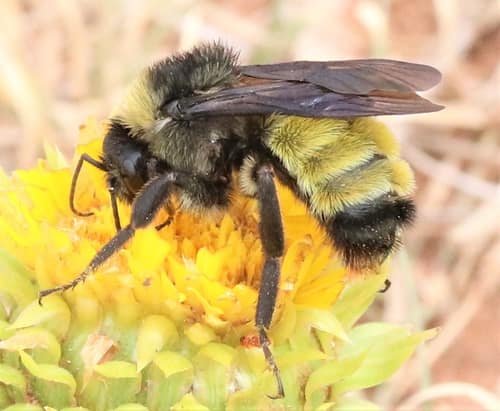
Pollinator (c) crseaquist, some rights reserved (CC BY), uploaded by crseaquist · cc-by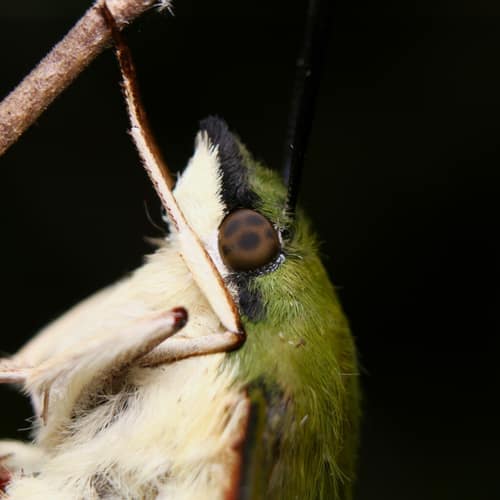
Pollinator (c) Matthew Lindsey, some rights reserved (CC BY) · cc-by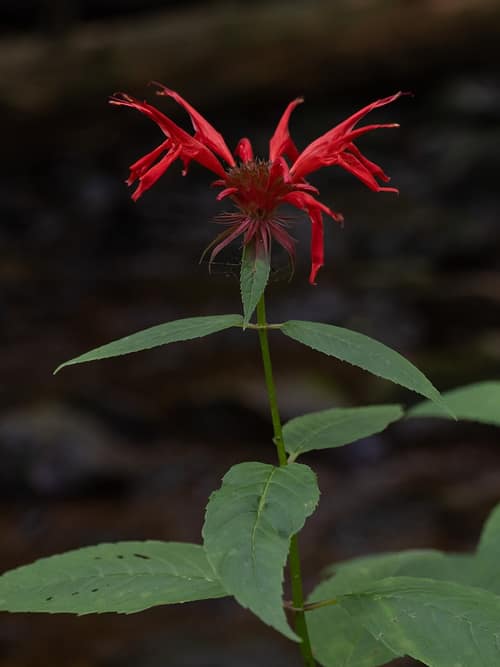
Close Relative Alex Abair / CC BY 4.0 · cc-by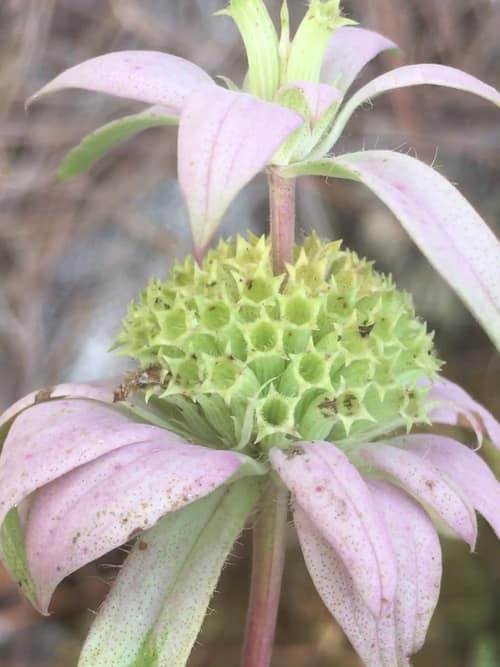
Close Relative no rights reserved, uploaded by Becky Dill · cc0
Help improve the field guideSomething wrong?
Checking your Fauna account…Report a name, category, or profile issue for review.