Red Fox
Vulpes vulpes
A slim, adaptable fox whose white-tipped tail is often the quickest field mark.
What to look for
- 01
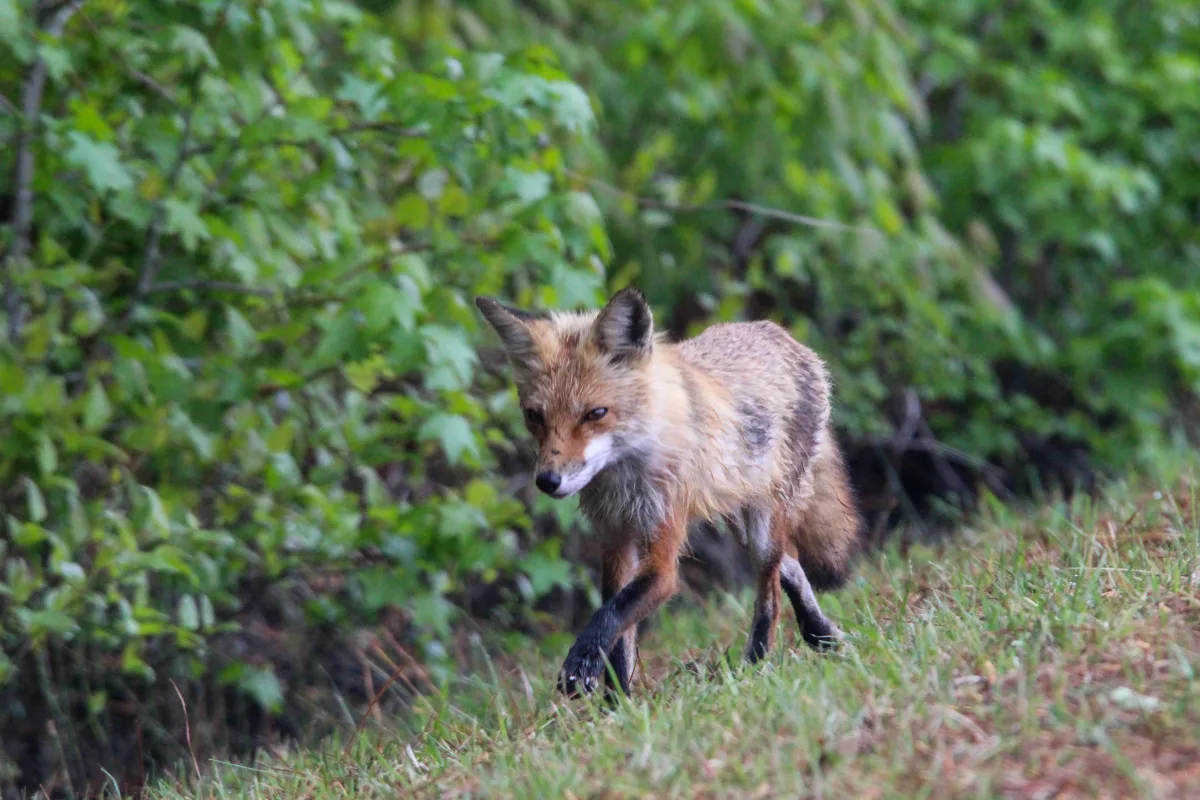
Rusty-red to tawny coat, often with a pale throat and belly
- 02
Black lower legs and the backs of the ears
- 03
Long, full tail that usually ends in a white tip
Where it lives
Open woodland, field edges, wetlands, farms, parks, and quieter parts of towns and suburbs.
How it moves
Often travels alone with a light, direct trot. Most activity clusters around dusk and dawn, though daytime sightings are possible.
Common lookalikes
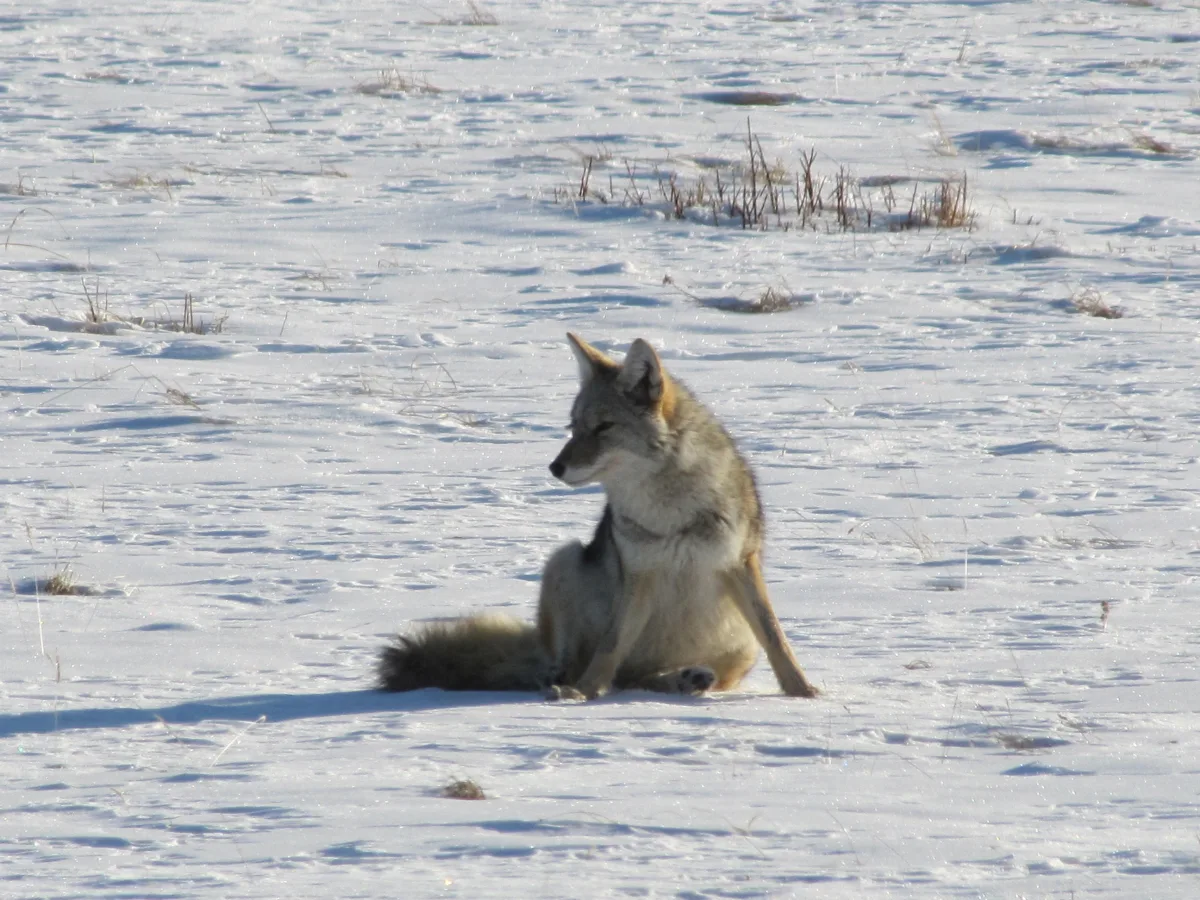
Gray foxes usually show a dark stripe and black tip on the tail. Coyotes are taller, longer-legged, and carry a less luxuriant tail low behind them.
Observe responsibly
Stay still, keep dogs close, and watch from a distance. Never approach a den or attempt to feed a fox.
A fox that approaches people, appears disoriented, or cannot move normally should be reported to local wildlife authorities.
The widespread red fox is adaptable, but local populations and native subspecies can face very different pressures.
Get Fauna and identify it in the field.
Where this guide comes from
Sources are linked below. Field marks vary with age, sex, season, region, light, and viewing distance.