
Bird · GBIF taxon 2481104
Lesser Flamingo
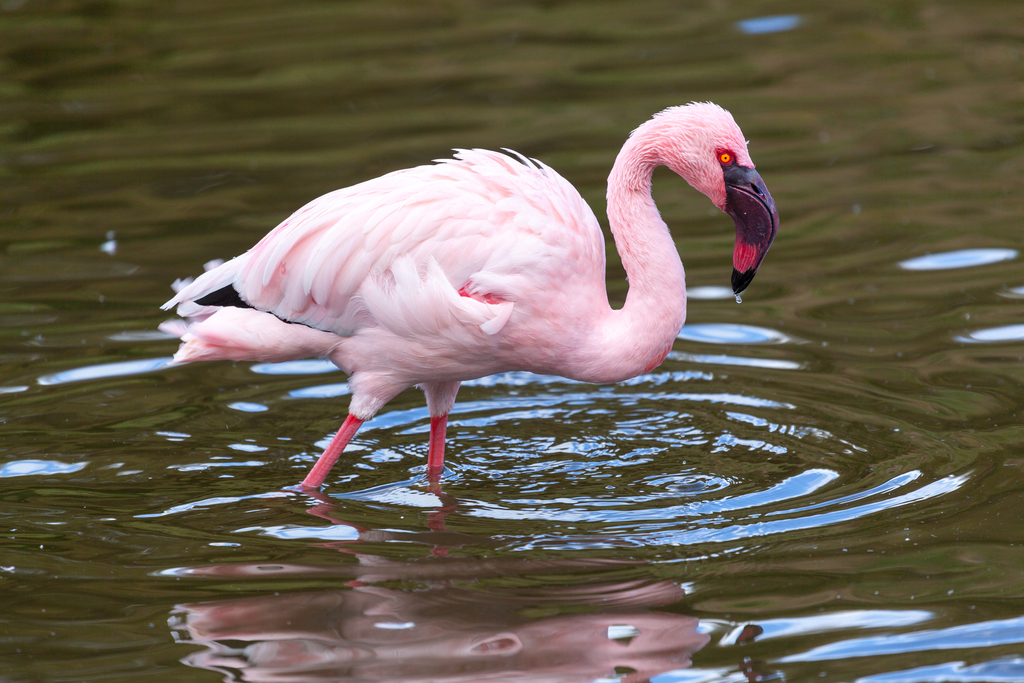
Phoeniconaias minorLesser flamingos congregate by the hundreds of thousands on hypersaline African soda lakes, creating spectacular seas of deep pink across the water. They feed by filtering microscopic blue-green algae using specialized fringed bill structures while standing in water too caustic for most other wildlife. Mating displays involve synchronized group dancing and head flagging before large colonies construct mud mounds for nesting.
Wading BirdFilter FeederFlocking

—observations
—countries
—peak records
Near ThreatenedConservation statusIUCN Red List categoriesLCNTVUENCREWEXNear ThreatenedRed List categories, explained →
Diet & prey
- Spirulina Cyanobacteria
- Diatoms
- Brine Shrimp
Predators
- African Fish Eagle
- Spotted Hyena
- Marabou Stork
ThreatsHabitat degradation, water pollution, human disturbance, damming of breeding lakes
HabitatsSaline and alkaline lakes, coastal lagoons, salt pans
Life span30–40 years
Size / weightNot available
Classification
- FamilyPhoenicopteridae
- SpeciesPhoeniconaias minor
Range data is not available yet.
Interaction riskLow
- Low
- Moderate
- High
- Very high
- Why interaction risk is low
- Safe to observe at a normal distance.
- What to notice
- Recognizable by its small stature, deep pink plumage, and dark crimson bill with a black tip.
- Support conservation
- Maintain a respectful distance from feeding and breeding flocks to prevent panic-induced stampedes that can destroy eggs.
Responsible observation
- Observation distance: Use binoculars or spotting scopes to view colonies without causing mass flock flushes.
- Eco-tours: Visit designated soda lake vantage points during peak feeding seasons.
- Avoid nesting areas: Refrain from approaching muddy shorelines where breeding mounds are active.
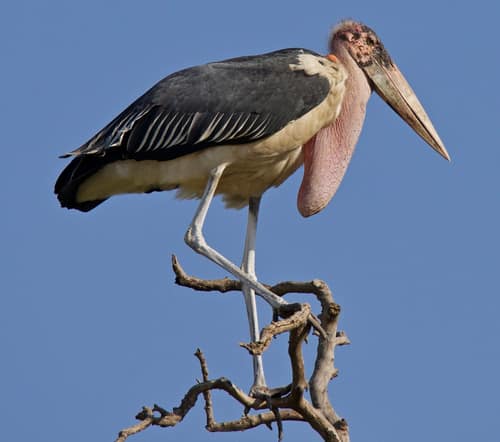
Predator (c) Donald Hampton, some rights reserved (CC BY-SA), uploaded by Donald Hampton · cc-by-sa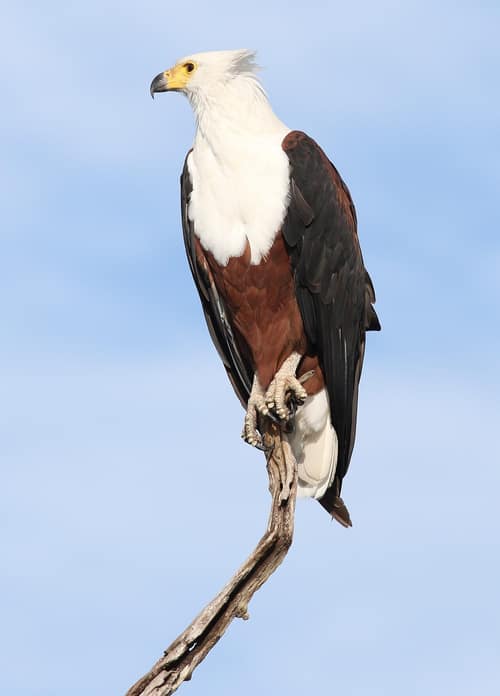
Predator Derek Keats from Johannesburg, South Africa / CC BY 2.0 · cc-by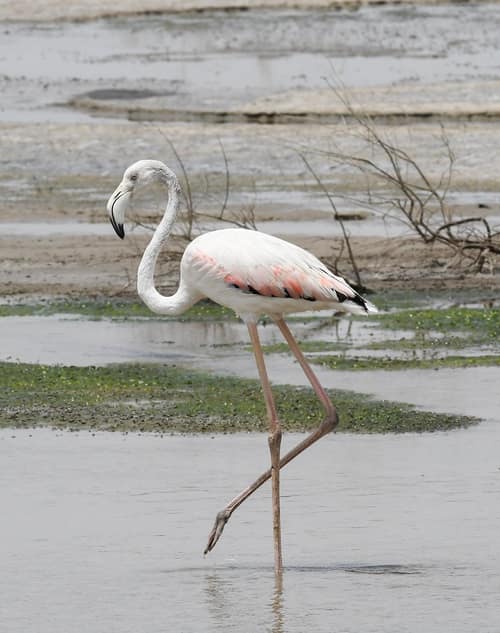
Close Relative "Greater Flamingo" by btrentler is licensed under CC BY 2.0. To view a copy of this license, visit https://creativecommons.org/licenses/by/2.0/. · cc-by
Help improve the field guideSomething wrong?
Checking your Fauna account…Report a name, category, or profile issue for review.