
Fungus
White Chalk Mushroom
Leucocoprinus cretaceusAlso known as White Chalk Dapperling, Chalk Dapperling, Chalk-white Lepiota
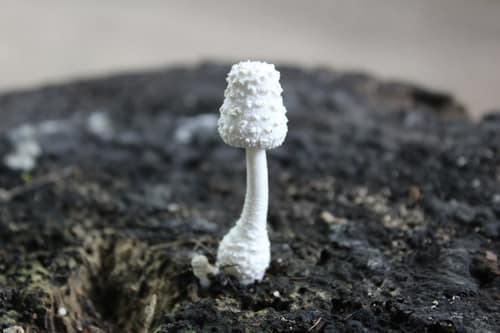
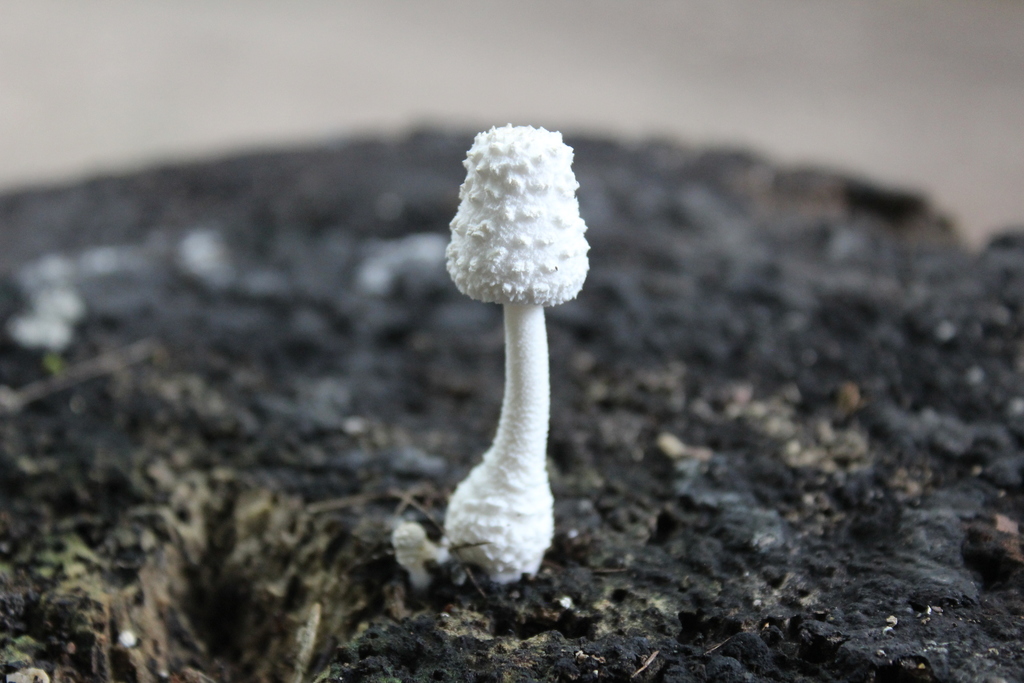
White chalk mushrooms produce elegant, powdery fruiting bodies blanketed in delicate flocculent scales that easily rub off at a gentle touch. As vigorous saprotrophs, their subterranean mycelia rapidly break down cellulose in mulch beds, compost, and warm greenhouse soil before pushing up short-lived mushrooms after deep watering or humid heat waves. Their stark white caps open from bell-shaped buttons into broad, fluted umbrellas before collapsing into a withered heap within a few days.
SaprotrophicGreenhouse FungusDecomposer
—observations
—countries
—peak records
Not EvaluatedConservation statusIUCN Red List categoriesLCNTVUENCREWEXNot Evaluated — not placed on the risk ladderRed List categories, explained →
Diet & preyDecaying wood, Plant compost, Cellulose
Predators
- Fungus gnat larvae
- Slugs
- Springtails
ThreatsFungicide applications, substrate depletion, and prolonged arid conditions
HabitatsWoodchip mulch, compost heaps, greenhouses, and potted indoor plant soil
Life spanEphemeral fruiting bodies (24–72 hours); mycelium persists for years
Classification
- OrderAgaricales
- FamilyAgaricaceae
- GenusLeucocoprinus
- SpeciesLeucocoprinus cretaceus
Range data is not available yet.
Interaction riskHigh
- Low
- Moderate
- High
- Very high
- Why interaction risk is high
- Suspected toxic if ingested. Many mushrooms have toxic look-alikes; never eat wild fungi based on app identification alone.
- Why it is dangerous
- Contains gastrointestinal irritants that can cause severe stomach cramping, nausea, and vomiting if swallowed.
- How to recognize a risky encounter
- Recognized by its chalk-white surface covered in mealy, detachable powder and a fragile, membranous stem ring.
- What to do
- Wash hands after tactile examination, and keep curious pets and small children away from potted fruitings.
Responsible observation
- Greenhouse Care: Allow these mushrooms to break down potting media harmlessly without applying fungicides.
- Spore Printing: Capture white spore prints by placing a fresh, opened cap onto dark paper under a glass dome.
- Pet Safety: Pluck and discard fruitings from indoor pots if curious dogs or cats are prone to chewing plants.
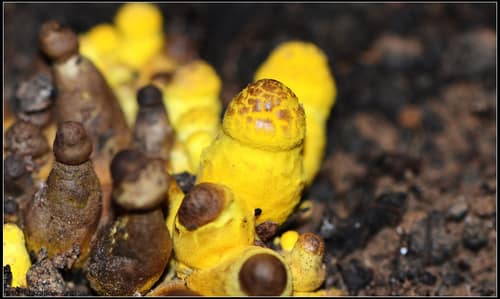
Close Relative (c) Zinogre, some rights reserved (CC BY-SA) · cc-by-sa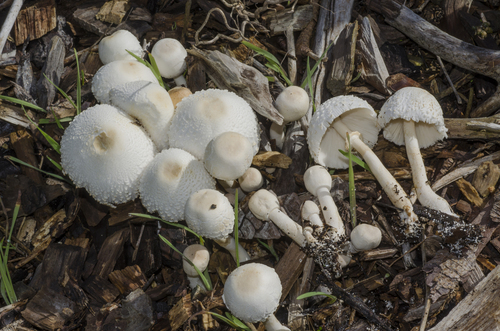
Close Relative (c) Jerry Cooper, some rights reserved (CC BY), uploaded by Jerry Cooper · cc-by
Same Family bjoerns / CC BY-SA 4.0 · cc-by-sa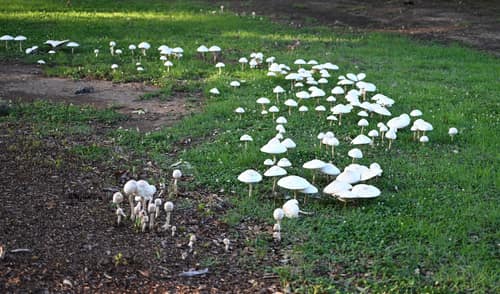
Same Family (c) Amber M. King, some rights reserved (CC BY), uploaded by Amber M. King · cc-by
Help improve the field guideSomething wrong?
Checking your Fauna account…Report a name, category, or profile issue for review.