
Fungus · GBIF taxon 8961574
Panther Cap
Amanita pantherinaAlso known as Panther Amanita, False Blusher
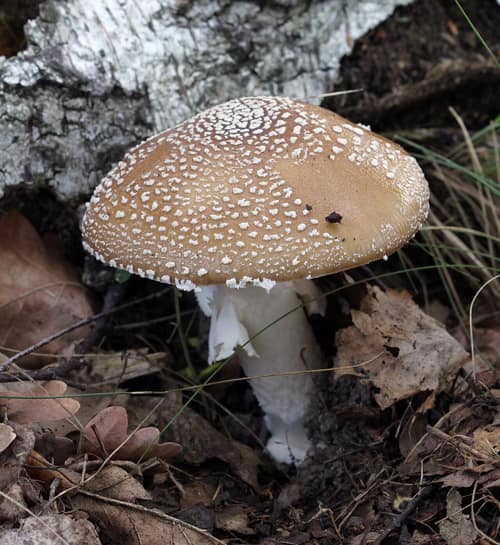
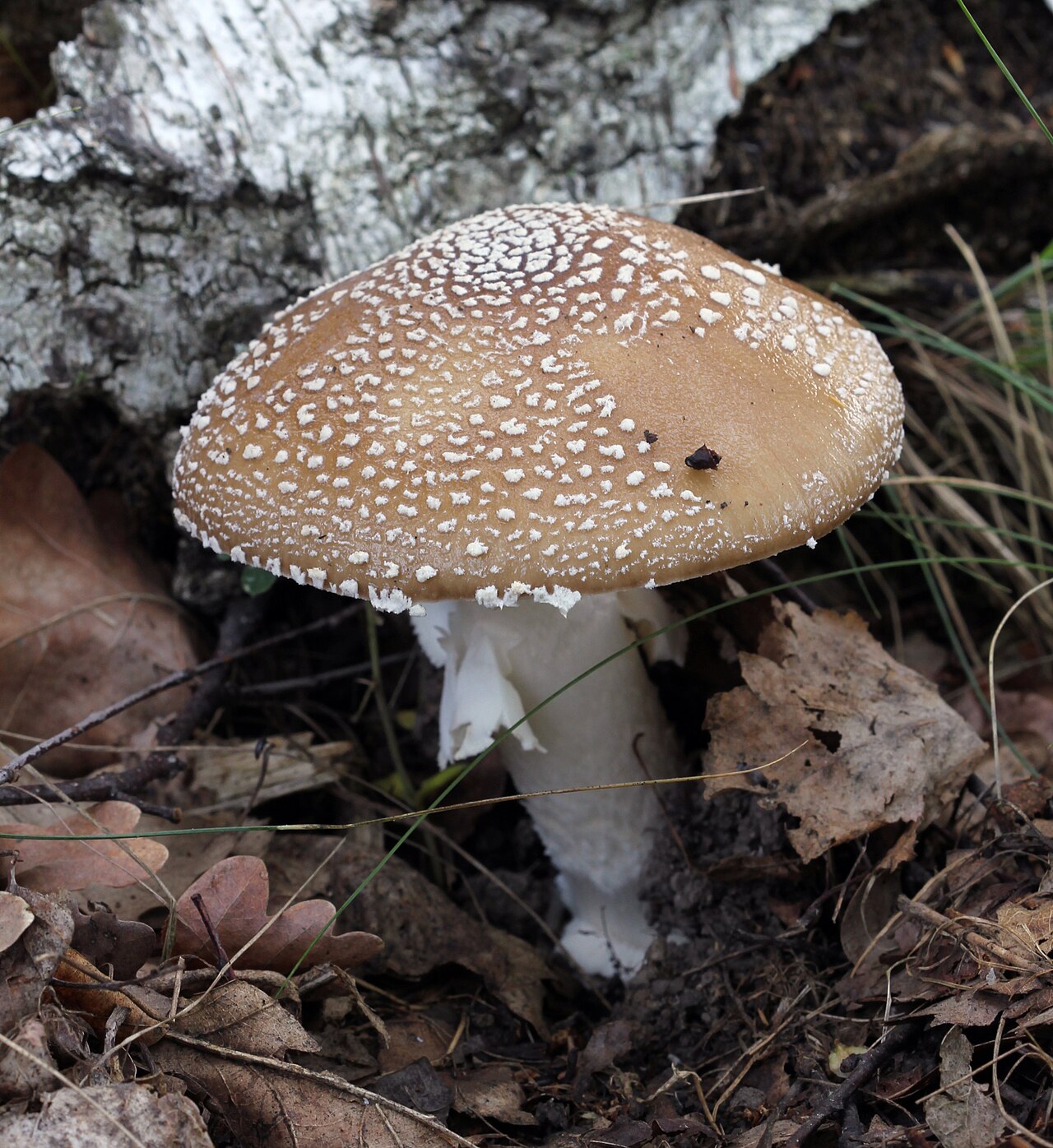
Panther caps emerge in broadleaf and coniferous woodlands across Eurasia, forming beneficial mycorrhizal partnerships with trees like oak, beech, and pine. Their brownish caps are distinctive for being sprinkled with pure white, cottony remnants of the universal veil alongside prominently grooved margins. Packed with powerful neurotoxins including ibotenic acid and muscimol, these mushrooms play a key ecological role in forest nutrient cycling while remaining dangerously toxic to mammals.
ToxicWoodlandFungus
—observations
—countries
—peak records
Least ConcernConservation statusIUCN Red List categoriesLCNTVUENCREWEXLeast ConcernRed List categories, explained →
Diet & prey
- Mycorrhizal (symbiotic with forest trees)
Predators
- Fungus gnats
- Slugs
- Squirrels
ThreatsHabitat loss and heavy forest clearance
HabitatsDeciduous and coniferous forests
Life spanPerennial underground mycelium; individual mushrooms last 5–12 days
Size / weightNot available
Classification
- OrderAgaricales
- FamilyAmanitaceae
- GenusAmanita
- SpeciesAmanita pantherina
Range data is not available yet.
Interaction riskHigh
- Low
- Moderate
- High
- Very high
- Why interaction risk is high
- Contains severe neurotoxins and has toxic look-alikes; never eat wild fungi based on app identification alone.
- Why it is dangerous
- Contains ibotenic acid and muscimol, which attack the central nervous system to induce delirium, seizures, severe nausea, and loss of consciousness.
- How to recognize a risky encounter
- Recognized by its hazel to dark brown cap covered in pure white warts, grooved cap edges, and a bulbous base with a defined volval collar.
- What to do
- Do not touch or consume; keep children and pets away from fruiting bodies in woodland areas.
Responsible observation
- Examine cap details: Look for pure white warts contrasting against a dark brown cap with striate edges.
- Check the base: Inspect the distinctive bulbous stem base surrounded by a neat collar-like volva.
- Keep distance: Admire and photograph in place without touching or disturbing the mushroom.
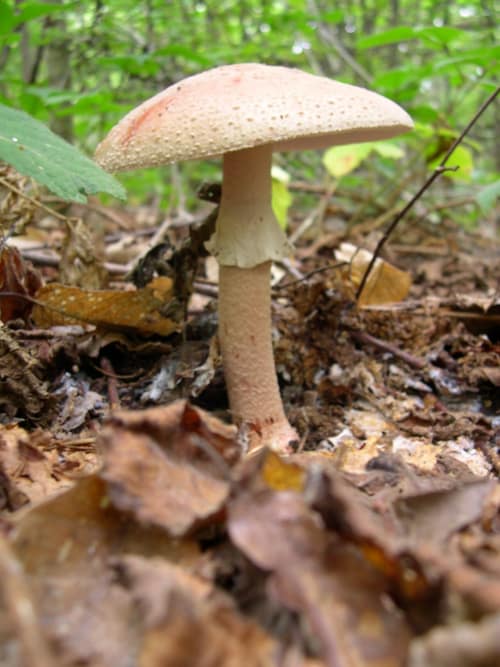
Look-Alike No machine-readable author provided. Archenzo assumed (based on copyright claims). / CC BY-SA 3.0 · cc-by-sa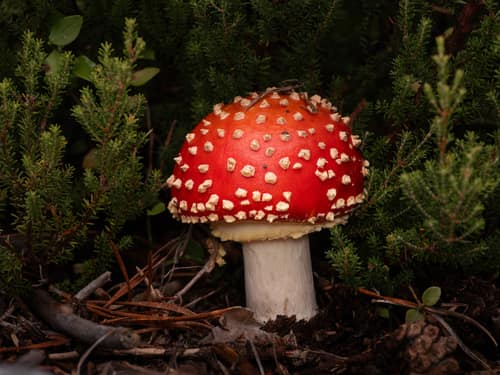
Close Relative (c) Borja Fierro, some rights reserved (CC BY), uploaded by Borja Fierro · cc-by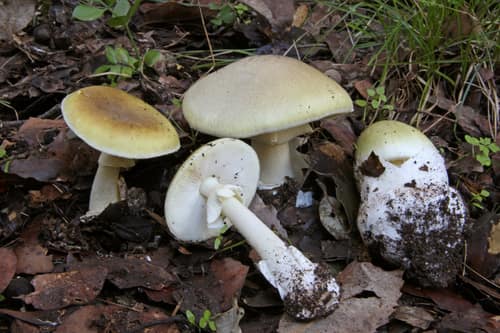
Close Relative (c) Davide Puddu, some rights reserved (CC BY), uploaded by Davide Puddu · cc-by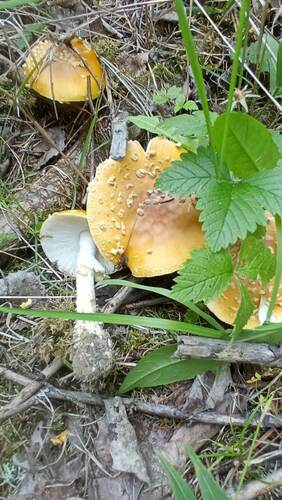
Close Relative (c) Tatiana Strus, some rights reserved (CC BY), uploaded by Tatiana Strus · cc-by
Keep collecting in Fauna
Found in Collections
Species set Pro
Fungi Forager
Panther Cap is found in this collection. Identify it in Fauna to fill this slot and continue your progress.
Unlock to track progress
Help improve the field guideSomething wrong?
Checking your Fauna account…Report a name, category, or profile issue for review.