
Invertebrate · GBIF taxon 8930656
Calico Crayfish
Faxonius immunisAlso known as Papershell Crayfish
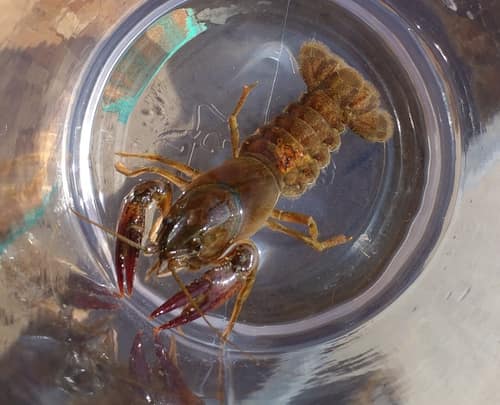
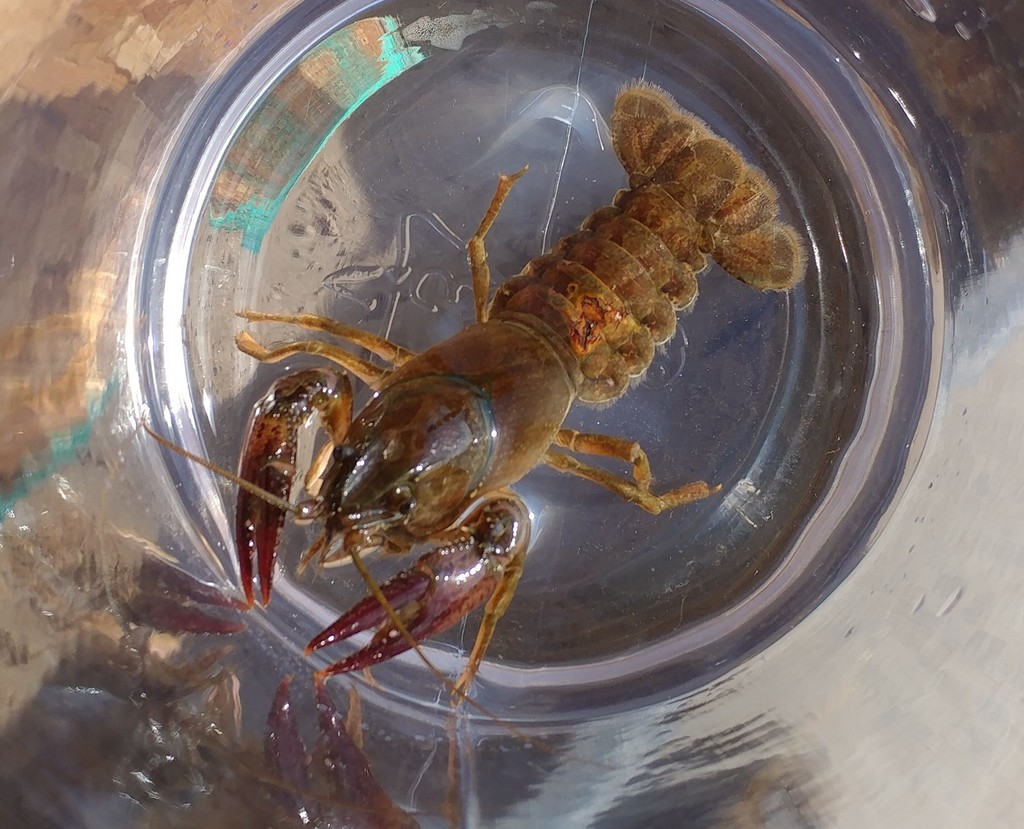
Calico crayfish inhabit slow-moving or stagnant waters, including muddy ponds, ditches, and floodplain wetlands across central and eastern North America. Known as papershell crayfish due to their thin, flexible carapaces, these hardy crustaceans burrow deeply into mud banks to survive dry summers and freezing winters. Introduced populations in European river systems now occupy warm, low-oxygen aquatic habitats where native species struggle.
FreshwaterCrustaceanBurrower
—observations
—countries
—peak records
Least ConcernConservation statusIUCN Red List categoriesLCNTVUENCREWEXLeast ConcernRed List categories, explained →
Diet & prey
- Aquatic Vegetation
- Detritus
- Small Invertebrates
Predators
- Great Blue Heron
- Largemouth Bass
- Raccoon
ThreatsPollution, wetland drainage, intense invasive competition
HabitatsPonds, marshes, sluggish streams, agricultural ditches, mud banks
Life span2–3 years
Size / weightNot available
Classification
- FamilyCambaridae
- SpeciesFaxonius immunis
Range data is not available yet.
Interaction riskLow
- Low
- Moderate
- High
- Very high
- Why interaction risk is low
- Pincers can deliver a sharp pinch if handled; observe quietly from the water's edge.
- Why it is dangerous
- Capable of delivering a painful pinch with its chelae when cornered or grasped.
- How to recognize a risky encounter
- Look for a brownish-tan carapace with a pale central stripe and thin pincers.
- What to do
- Observe in the water without picking up; avoid touching pincers directly.
Responsible observation
- Finding them: Look along muddy edges of quiet ponds or ditches near dusk.
- Burrow chimneys: Look for small mud tubes constructed over subterranean burrows.
- Safe viewing: Avoid picking them up directly to prevent being pinched by claws.
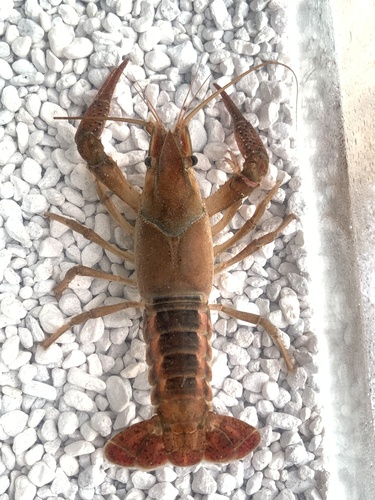
Competitor (c) Mila Turov, some rights reserved (CC BY) · cc-by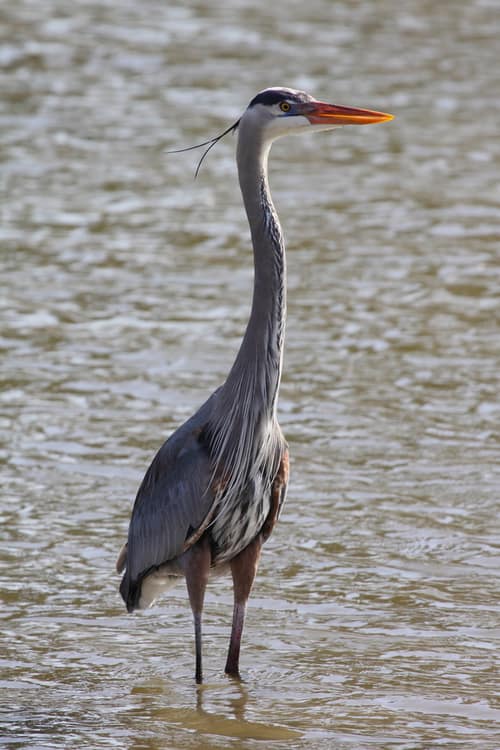
Predator (c) Basar, some rights reserved (CC BY-SA) · cc-by-sa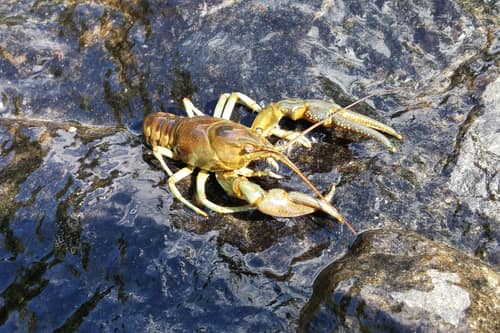
Close Relative (c) Kristof Zyskowski, some rights reserved (CC BY), uploaded by Kristof Zyskowski · cc-by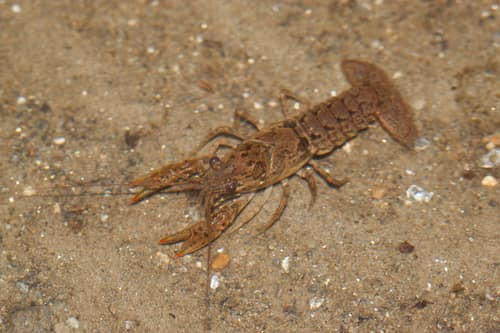
Close Relative no rights reserved, uploaded by Kent P. McFarland · cc0
Help improve the field guideSomething wrong?
Checking your Fauna account…Report a name, category, or profile issue for review.