
Invertebrate · GBIF taxon 8879892
Northern Clearwater Crayfish
Faxonius propinquusAlso known as Clearwater Crayfish
Northern clearwater crayfish inhabit cool, well-oxygenated streams and rocky lake shores across eastern North America. These freshwater crustaceans hide under flat stones by day and venture out at night to scavenge for organic debris and hunt small aquatic invertebrates. Their dark midline carapace stripe and stout claws help distinguish them from neighboring native crayfish species.
AquaticFreshwaterNocturnal
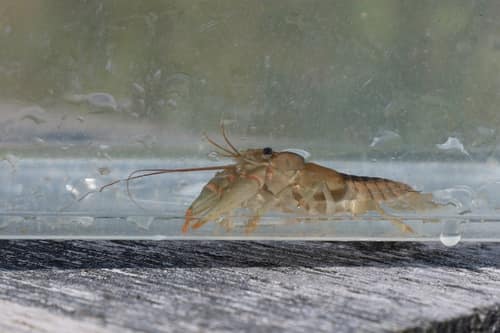
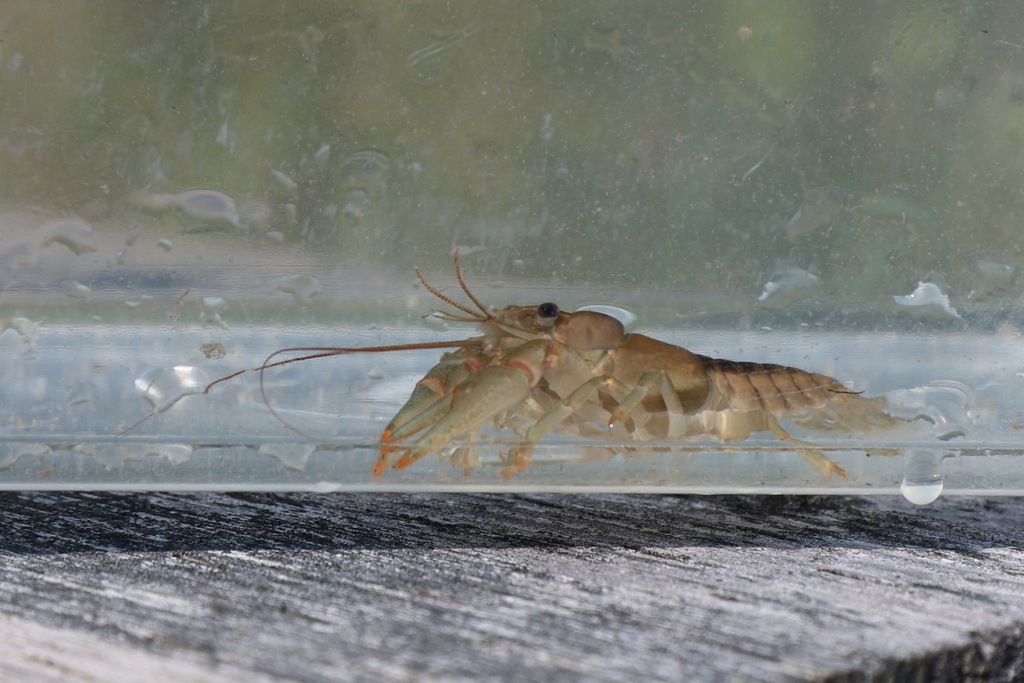
—observations
—countries
—peak records
Least ConcernConservation statusIUCN Red List categoriesLCNTVUENCREWEXLeast ConcernRed List categories, explained →
Diet & prey
- Aquatic Insects
- Snails
- Algae
Predators
- Smallmouth Bass
- Raccoons
- Great Blue Herons
ThreatsDisplacement by invasive rusty crayfish and aquatic habitat degradation
HabitatsClear streams, rivers, and rocky lake margins with abundant hiding crevices
Life span3–4 years
Size / weightNot available
Classification
- FamilyCambaridae
- SpeciesFaxonius propinquus
Range data is not available yet.
Interaction riskLow
- Low
- Moderate
- High
- Very high
- Why interaction risk is low
- Pinchers can deliver a sharp pinch if grabbed; handle gently behind the claws if raised.
- Why it is dangerous
- Large claws can pinch forcefully enough to break skin or cause painful bruising.
- How to recognize a risky encounter
- Look for a dark reddish brown body with a distinct dark stripe down the carapace center.
- What to do
- Never grab from the front: lift gently by grasping the carapace sides behind the claws.
Responsible observation
- Spotting: Gently tilt submerged flat rocks in clear shallow streams during summer.
- Night Searching: Scan rocky shorelines with a flashlight after dusk to see them actively foraging.
- Safe Handling: Grasp firmly but gently on the sides of the carapace behind the claws.
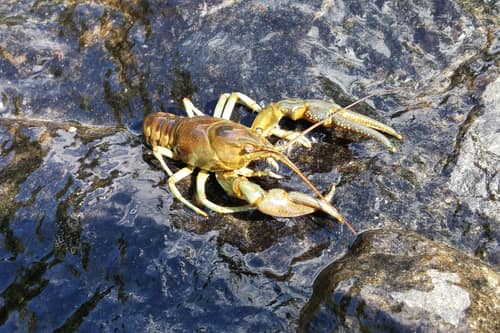
Invasive Competitor (c) Kristof Zyskowski, some rights reserved (CC BY), uploaded by Kristof Zyskowski · cc-by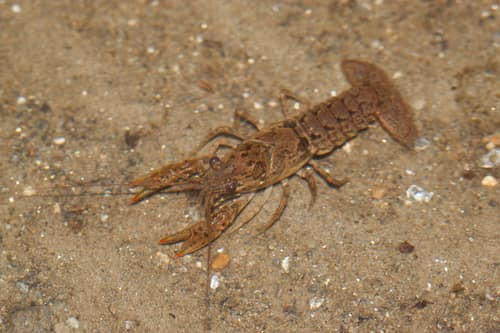
Co-occurring Native no rights reserved, uploaded by Kent P. McFarland · cc0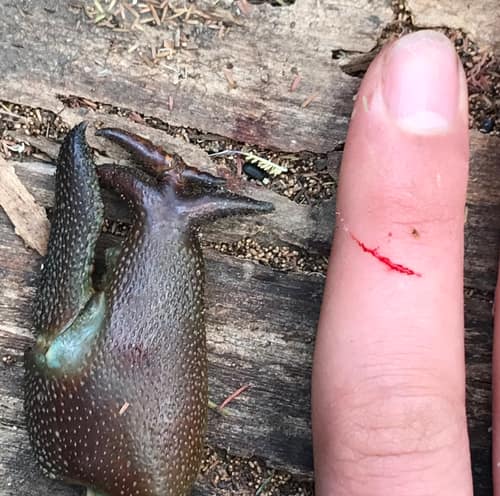
Related Decapod (c) Parsa Fard, some rights reserved (CC BY) · cc-by
Help improve the field guideSomething wrong?
Checking your Fauna account…Report a name, category, or profile issue for review.