
Plant · GBIF taxon 8658195
Wax Plant
Hoya carnosaAlso known as Porcelain Flower, Waxflower, Honey Plant
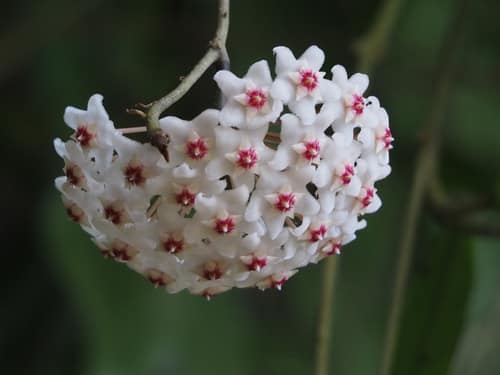
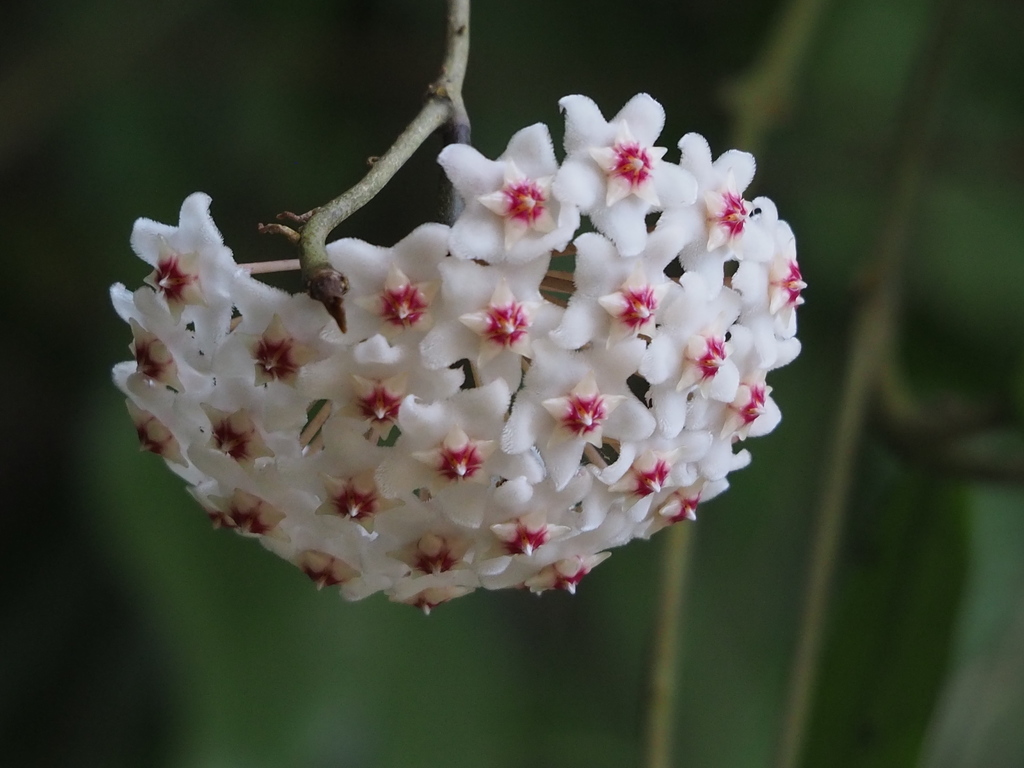
Wax plants are climbing or scrambling epiphytes renowned for their thick, succulent leaves and spherical clusters of porcelain-like, star-shaped blossoms. At dusk, the fragrant umbels exude beads of sticky nectar to attract nocturnal moths for pollination. In their native subtropical forests, vigorous stems use aerial roots to anchor onto trees and clamber across rock crevices.
ClimbingFloweringEpiphytic
—observations
—countries
—peak records
Not EvaluatedConservation statusIUCN Red List categoriesLCNTVUENCREWEXNot Evaluated — not placed on the risk ladderRed List categories, explained →
Diet & prey
- Sunlight
- Water
- Mineral nutrients
Predators
- Mealybugs
- Aphids
- Spider mites
ThreatsHabitat loss from forest clearing and unsustainable wild collection
HabitatsSubtropical evergreen forests, limestone cliffs, and cultivated spaces
Life span20–30+ years
Size / weightNot available
Classification
- OrderGentianales
- FamilyApocynaceae
- GenusHoya
- SpeciesHoya carnosa
Range data is not available yet.
Interaction riskLow
- Low
- Moderate
- High
- Very high
- Why interaction risk is low
- Safe to observe at a normal distance.
Responsible observation
- Preserve Flower Spurs: Leave old flowering stalks intact because new buds form on the same spurs each season.
- Manage Lighting: Provide bright, indirect sunlight to encourage blooms while avoiding leaf scorch.
- Monitor Watering: Allow the upper substrate to dry completely between waterings to prevent root rot.
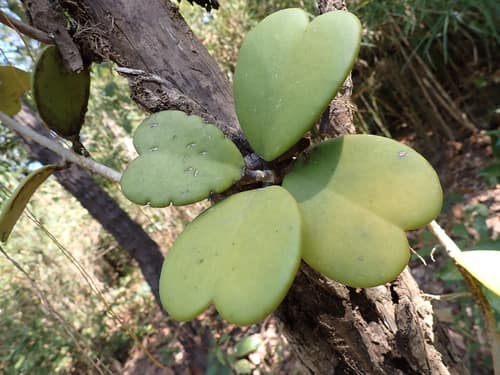
Close Relative (c) luluchouette, some rights reserved (CC BY) · cc-by Image unavailable
Close Relative 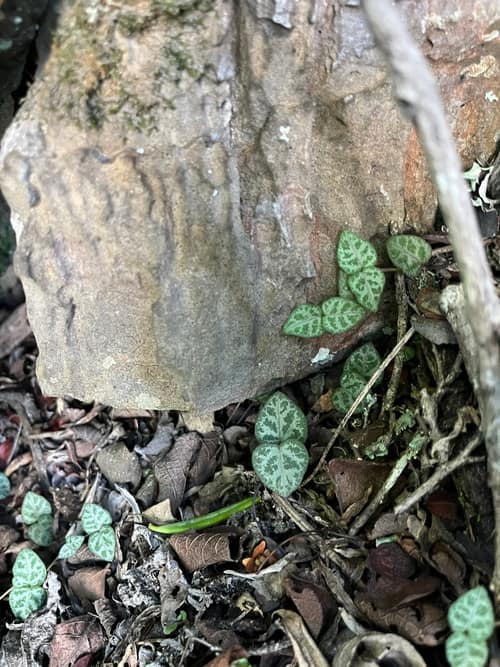
Family Relative (c) katuchka, some rights reserved (CC BY) · cc-by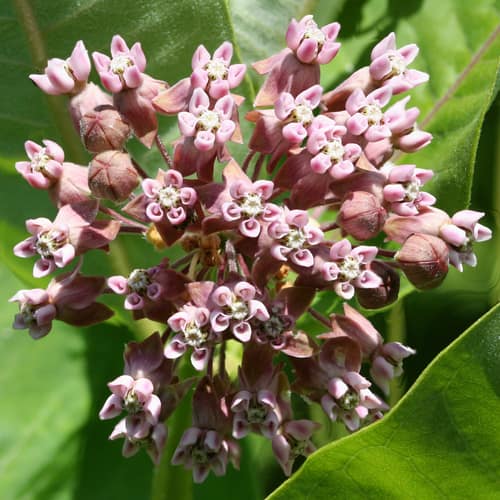
Family Relative (c) Randy Nonenmacher, some rights reserved (CC BY-SA) · cc-by-sa
Help improve the field guideSomething wrong?
Checking your Fauna account…Report a name, category, or profile issue for review.