
Plant
Common Milkweed
Asclepias syriacaAlso known as Butterfly Flower, Silkweed, Silky Swallow-wort, Virginia Silkweed
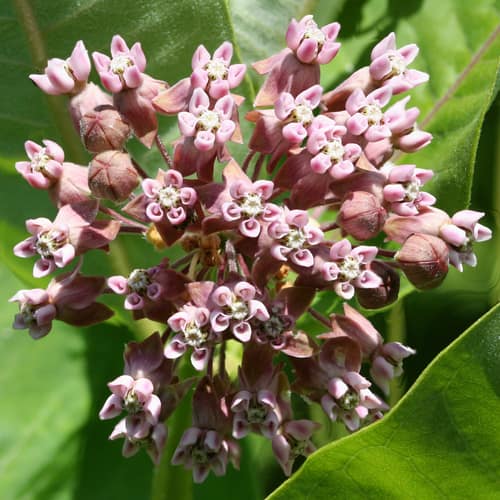
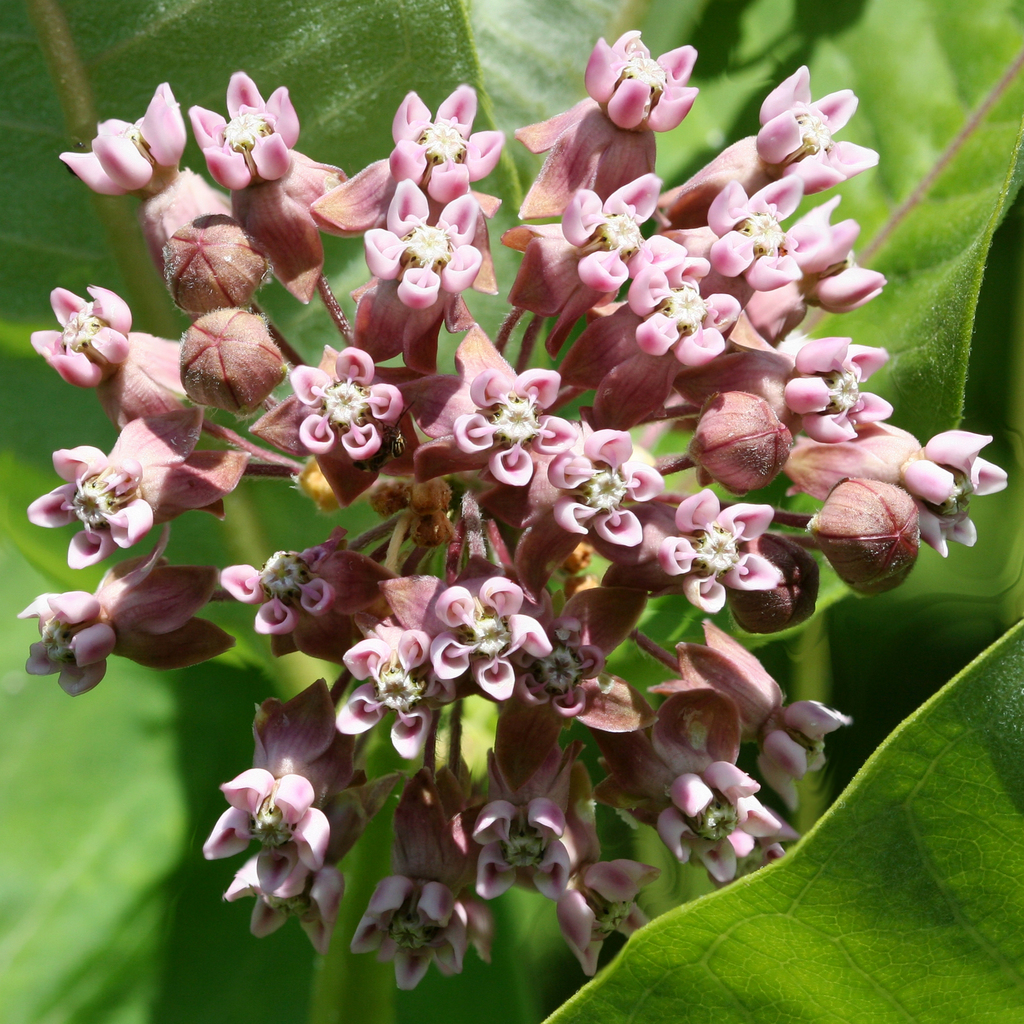
Common milkweed anchors eastern North American field ecosystems with stout, velvety stems and spherical clusters of fragrant pinkish-purple flowers. Broad, opposing leaves produce a milky latex rich in toxic cardiac glycosides, a natural defense famously co-opted by monarch butterfly caterpillars to make themselves unpalatable to predators. In autumn, large spiny seed pods split open to release hundreds of flat seeds drifted away on silky white threads.
NativePollinator MagnetHost Plant
—observations
—countries
—peak records
Least ConcernConservation statusIUCN Red List categoriesLCNTVUENCREWEXLeast ConcernRed List categories, explained →
Diet & preyAutotrophic (Photosynthetic)
Predators
- Monarch Caterpillar
- Large Milkweed Bug
- Red Milkweed Beetle
ThreatsHerbicide spraying, agricultural intensification, and frequent mowing
HabitatsFields, roadsides, prairies, meadows, and disturbed sunny soils
Life spanPerennial
Classification
- OrderGentianales
- FamilyApocynaceae
- GenusAsclepias
- SpeciesAsclepias syriaca
Range data is not available yet.
Interaction riskHigh
- Low
- Moderate
- High
- Very high
- Why interaction risk is high
- Contains toxic cardiac glycosides and skin-irritating sap; do not ingest and avoid getting sap on skin.
- Why it is dangerous
- Contains cardiac glycosides that interfere with heart function and sticky latex that irritates eyes and skin.
- How to recognize a risky encounter
- Stout unbranched stems with large oval leaves and ball-like clusters of fragrant pink-purple flowers.
- What to do
- Avoid contact with white sap and never consume any plant parts or wild look-alikes.
Responsible observation
- Butterfly Watching: Search leaf undersides during summer to spot monarch eggs or striped caterpillars.
- Garden Placement: Give this plant full sun and room to spread, as underground rhizomes expand readily.
- Safe Pruning: Wear gardening gloves when trimming to avoid sticky sap on skin and eyes.
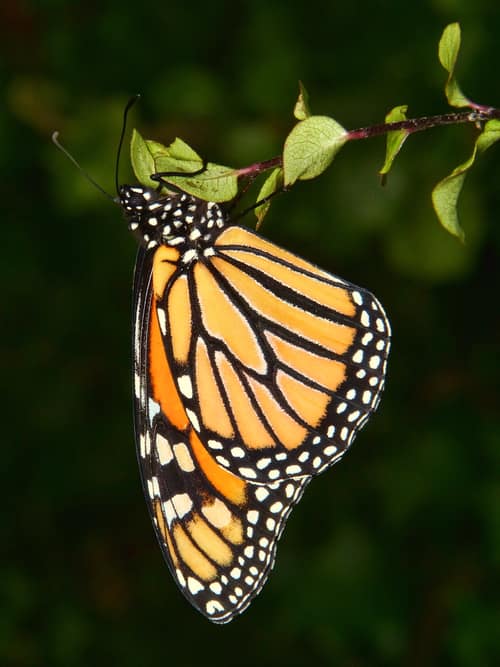
Herbivore Host Sid Mosdell from New Zealand / CC BY 2.0 · cc-by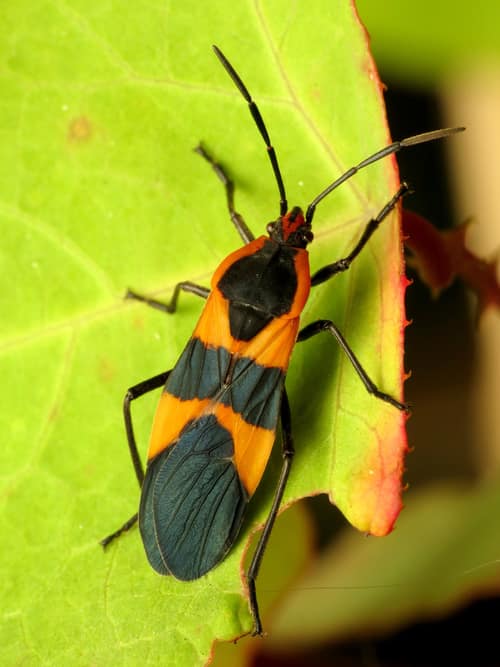
Seed Feeder (c) Katja Schulz, some rights reserved (CC BY) · cc-by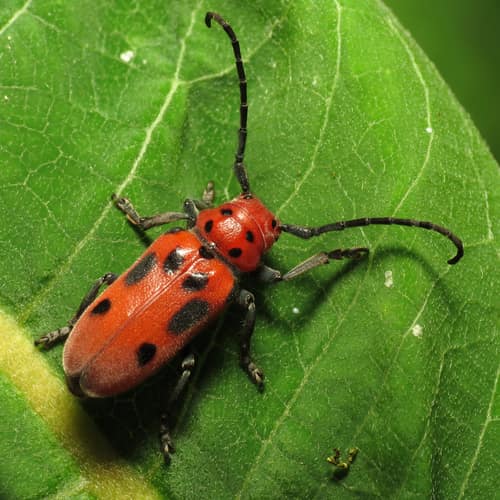
Stem Feeder (c) Katja Schulz, some rights reserved (CC BY) · cc-by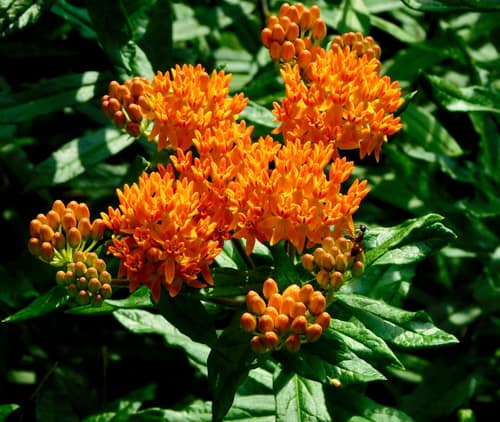
Close Relative (c) Michael J. Papay, some rights reserved (CC BY), uploaded by Michael J. Papay · cc-by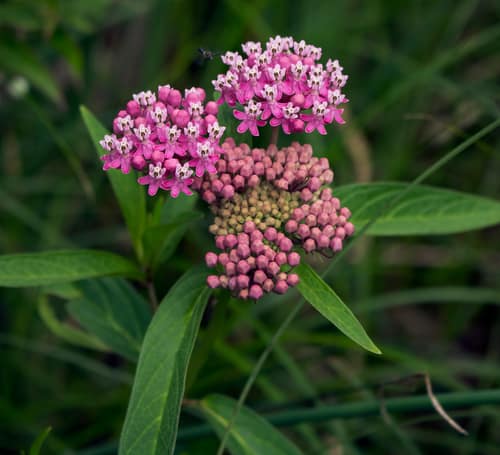
Close Relative (c) aarongunnar, some rights reserved (CC BY), uploaded by aarongunnar · cc-by
Keep collecting in Fauna
Found in Collections
Ecosystem chain Pro
Prairie Plains
Common Milkweed is found in this collection. Identify it in Fauna to fill this slot and continue your progress.
Unlock to track progress
Help improve the field guideSomething wrong?
Checking your Fauna account…Report a name, category, or profile issue for review.