
Mammal · GBIF taxon 8443316
Caribbean Monk Seal
Neomonachus tropicalisAlso known as West Indian Seal, Sea Wolf
Caribbean monk seals hauled out in dense colonies across remote coral cays and tranquil atolls throughout the Gulf of Mexico and Caribbean Sea. Unaccustomed to terrestrial predators, these sleek, grey-brown pinnipeds showed little fear of humans, resting placidly on sun-drenched beaches between nocturnal foraging dives for reef fish. Intensive commercial harvesting for lamp oil and hides systematically wiped out every known population, culminating in their official extinction during the mid-twentieth century.
MarinePinniped
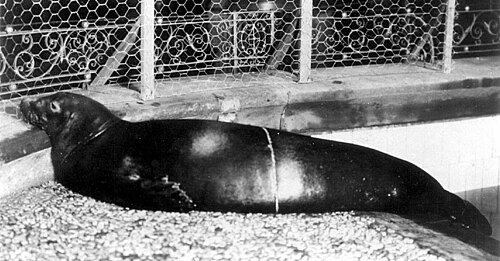
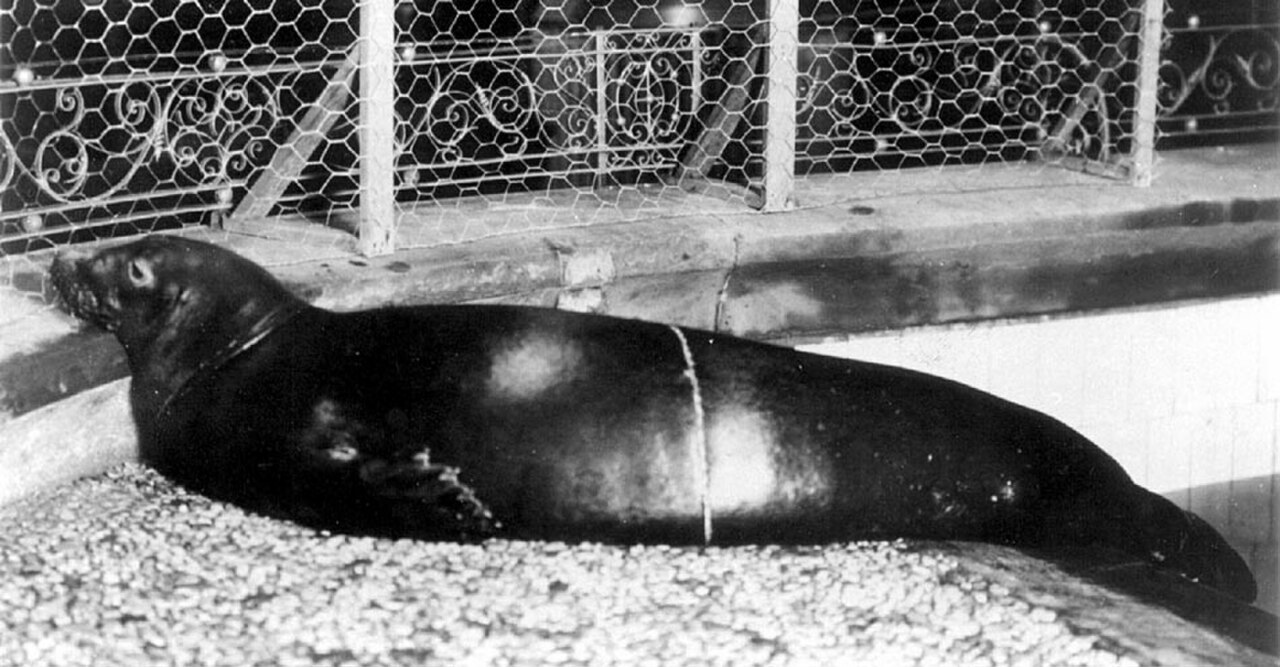
Licensed referenceNew York Zoological Society. / Public domain · cc0
—observations
—countries
—peak records
ExtinctConservation statusIUCN Red List categoriesLCNTVUENCREWEXExtinctRed List categories, explained →
Diet & prey
- Reef fish
- Octopus
- Spiny lobster
Predators
- Tiger shark
- Great white shark
- American crocodile
ThreatsCommercial overhunting for blubber and hides, overfishing of prey species (now extinct)
HabitatsTropical coral reefs, sandy cays, and shallow coastal waters
Life spanApproximately 20–30 years
Classification
- FamilyPhocidae
- SpeciesNeomonachus tropicalis
Range data is not available yet.
Interaction riskLow
- Low
- Moderate
- High
- Very high
- Why interaction risk is low
- Declared extinct; no living wild population remains to encounter.
Responsible observation
- Museum Research: Study taxidermy mounts and skeletal remains preserved in major natural history collections.
- Archival Logs: Explore historic maritime logbooks to trace colonial haul-out sites across the Caribbean.
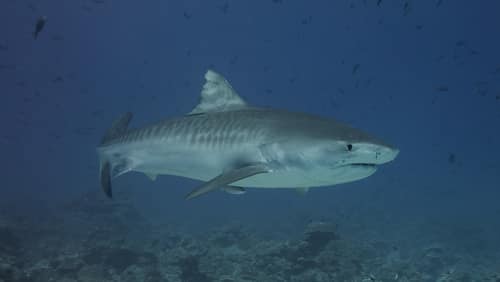
Predator (c) Kris-Mikael Krister, some rights reserved (CC BY) · cc-by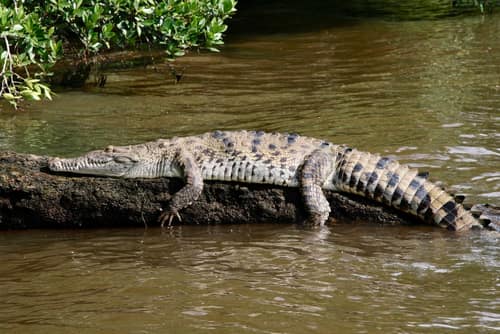
Predator (c) Dr. Alexey Yakovlev, some rights reserved (CC BY-SA) · cc-by-sa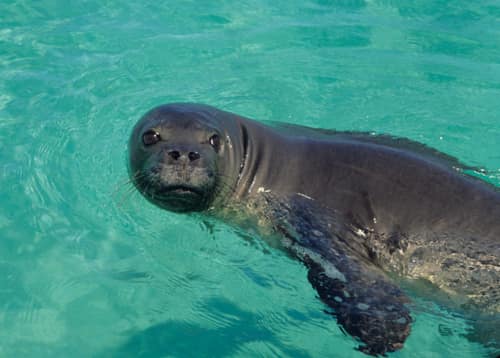
Close Relative (c) Lucy Keith-Diagne, some rights reserved (CC BY), uploaded by Lucy Keith-Diagne · cc-by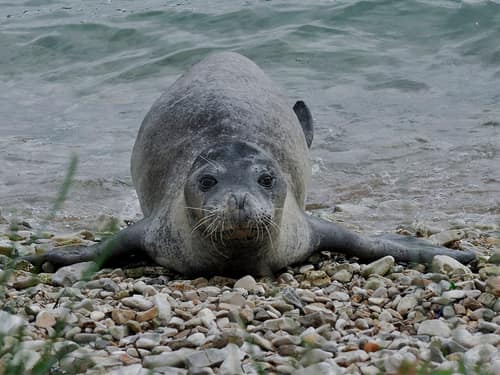
Close Relative Marinko Babić / CC BY-SA 4.0 · cc-by-sa
Help improve the field guideSomething wrong?
Checking your Fauna account…Report a name, category, or profile issue for review.