
Fish · GBIF taxon 2418234
Tiger Shark
Galeocerdo cuvierAlso known as Leopard Shark, Spotted Shark
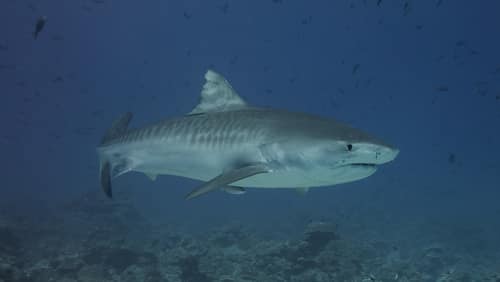
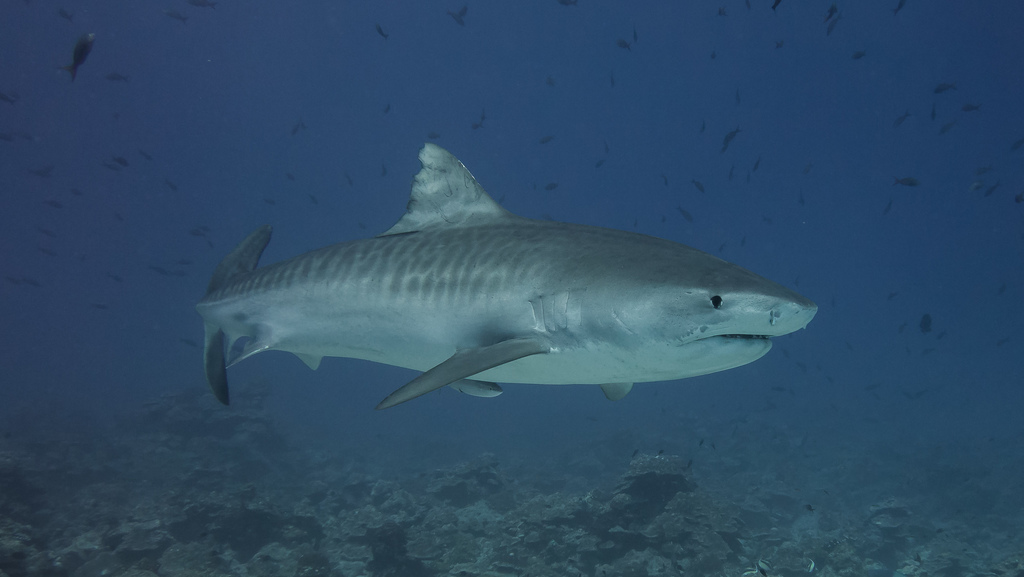
Tiger sharks are solitary apex generalists renowned for hunting across both shallow coastal reefs and deep pelagic drop-offs. Their heavily serrated, cockscomb-shaped teeth and powerful jaws can easily crack open sea turtle carapaces and bird bones. Migrations follow warm oceanic currents, bringing adults close to shore at night to patrol murky estuaries and lagoons.
Apex PredatorNocturnalMarine
—observations
—countries
—peak records
Near ThreatenedConservation statusIUCN Red List categoriesLCNTVUENCREWEXNear ThreatenedRed List categories, explained →
Diet & prey
- Green Sea Turtle
- Bottlenose Dolphin
- Stingray
Predators
- Orca
ThreatsTargeted commercial fishing for fins and liver oil, accidental bycatch, and shark control programs
HabitatsTropical and warm temperate coastal waters, coral reefs, and open oceans
Life span30–40 years
Size / weightNot available
Classification
- FamilyCarcharhinidae
- SpeciesGaleocerdo cuvier
N. Atlantic S. Atlantic N. Pacific S. Pacific Indian Ocean Caribbean Coral Sea
Marine distribution — the ocean basins and seas where the species occurs.
Interaction riskHigh
- Low
- Moderate
- High
- Very high
- Why interaction risk is high
- Large apex predator responsible for fatal bites; maintain vigilance and give them wide berth in open water.
- Why it is dangerous
- Possesses massive crushing bite force and serrated teeth capable of inflicting catastrophic, often fatal lacerations.
- How to recognize a risky encounter
- Recognized by dark vertical tiger stripes along the upper flanks, a blunt squared snout, and large dark eyes.
- What to do
- Never touch, corner, or chase; remain vertical in the water, maintain visual contact, and slowly retreat to safety.
Responsible observation
- Diving Etiquette: Maintain continuous eye contact and avoid erratic swimming or splashing if one approaches.
- Water Conditions: Avoid swimming in murky water, river mouths, or during dusk and dawn when feeding peaks.
- Bait Awareness: Exit the water immediately if spearfishing catches or chum slicks attract curious individuals.
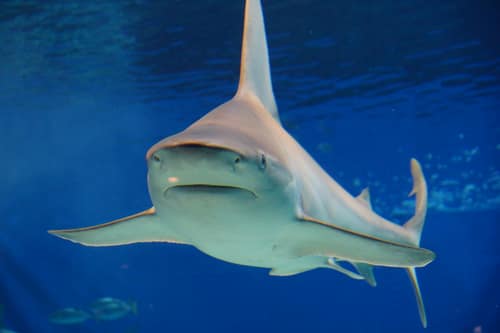
Competitor "オオメジロザメ Bull shark" by ume-y is licensed under CC BY 2.0. To view a copy of this license, visit https://creativecommons.org/licenses/by/2.0/. · cc-by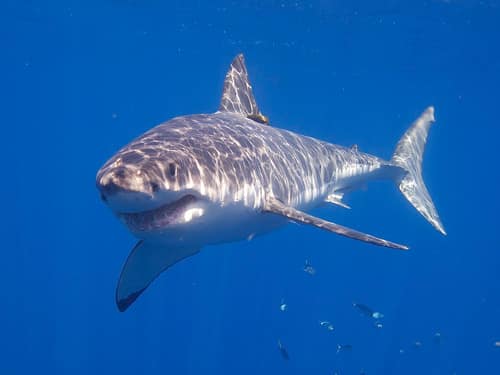
Competitor "Great White Shark" by Elias Levy is licensed under CC BY 2.0. To view a copy of this license, visit https://creativecommons.org/licenses/by/2.0/. · cc-by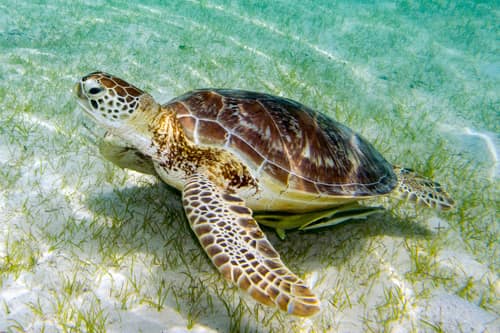
Prey (c) Paul Asman and Jill Lenoble, some rights reserved (CC BY), uploaded by Paul Asman and Jill Lenoble · cc-by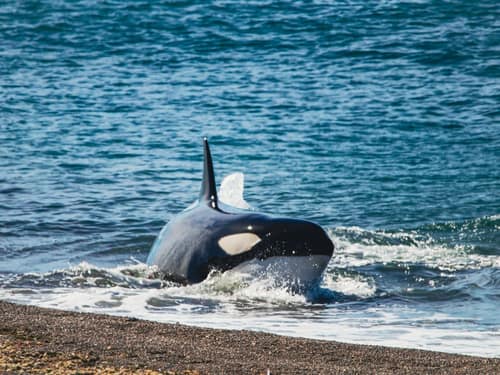
Predator (c) Martín Acosta Albarracín, some rights reserved (CC BY), uploaded by Martín Acosta Albarracín · cc-by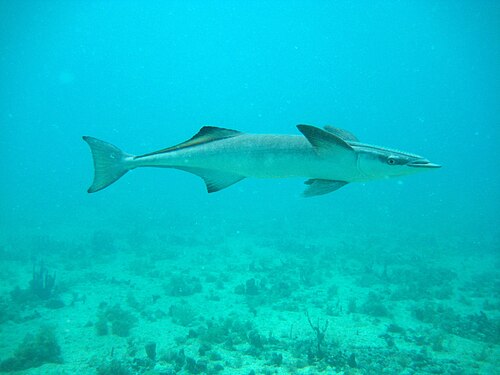
Symbiont NOAA CCMA Biogeography Team / Public domain · cc0
Help improve the field guideSomething wrong?
Checking your Fauna account…Report a name, category, or profile issue for review.