
Mammal · GBIF taxon 8646426
Hawaiian Monk Seal
Neomonachus schauinslandiAlso known as Ilio-holo-i-ka-uaua
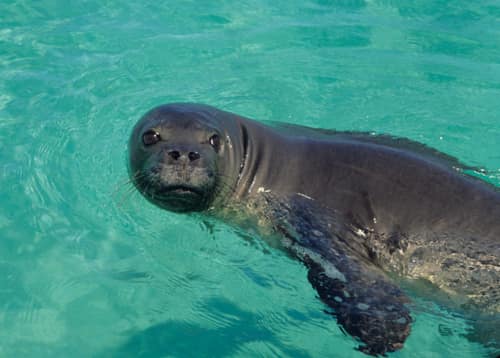
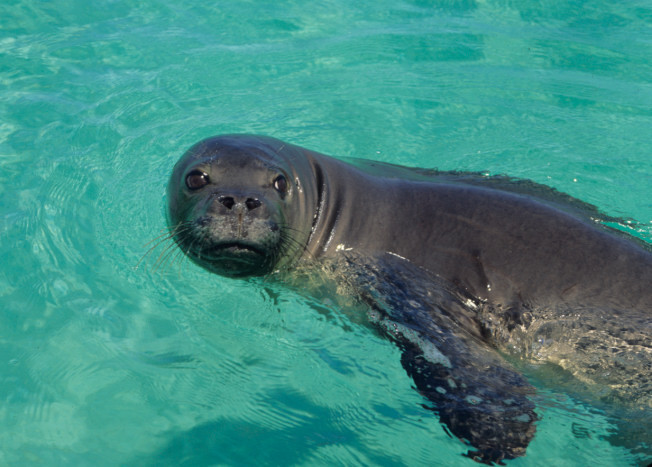
Hawaiian monk seals are among the most endangered pinnipeds in the world, endemic to the remote Northwestern Hawaiian Islands and main island coasts. These solitary ocean dwellers spend days foraging across coral reefs for bottom-dwelling prey before hauling out on warm, sandy beaches to sleep and nurse their young. Females are slightly larger than males and give birth to shiny black pups that shed their coat after several weeks of nursing.
Marine MammalEndemicSolitary
 1 / 7
1 / 7—observations
—countries
—peak records
VulnerableConservation statusIUCN Red List categoriesLCNTVUENCREWEXVulnerableRed List categories, explained →
Diet & prey
- Octopus
- Eel
- Bony Fish
Predators
- Tiger Shark
- Galapagos Shark
ThreatsEntanglement in marine debris, habitat loss, low genetic diversity, and shark predation
HabitatsCoral reefs, sandy beaches, coastal waters, and atolls
Life span25–30 years
Classification
- OrderCarnivora
- FamilyPhocidae
- GenusNeomonachus
- SpeciesNeomonachus schauinslandi
Range data is not available yet.
Interaction riskHigh
- Low
- Moderate
- High
- Very high
- Why interaction risk is high
- Large marine mammals capable of biting if threatened; maintain at least 15 meters distance at all times.
- Why it is dangerous
- Weighing up to 270 kg, these large animals possess strong jaws capable of delivering severe bites if cornered or defending pups.
- How to recognize a risky encounter
- Large seal resting on Hawaiian sandy shorelines or swimming near shallow coral reefs.
- What to do
- Back away slowly if a seal changes its behavior or approaches, leaving an unobstructed path to the water.
- What to notice
- Recognizable by their dark grey to silver-brown coat, broad flat head, and lack of external ear flaps.
- Support conservation
- Keep at least 15 meters away on land or water, use telephoto lenses for photos, and report sightings to wildlife officials.
Responsible observation
- Safe distance: Stay at least 15 meters (50 feet) away on land and in the water, increasing to 25 meters for mothers with pups.
- Undisturbed rest: Do not make sudden movements or block a seal's pathway between the beach and the ocean.
- Report encounters: Share sightings and any signs of distress with local marine mammal response networks.
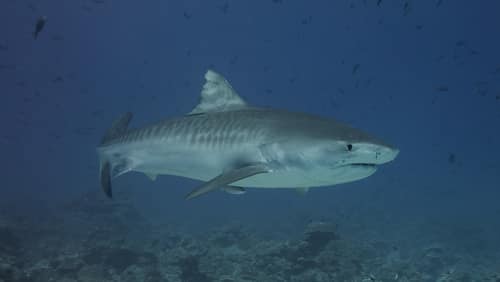
Predator (c) Kris-Mikael Krister, some rights reserved (CC BY) · cc-by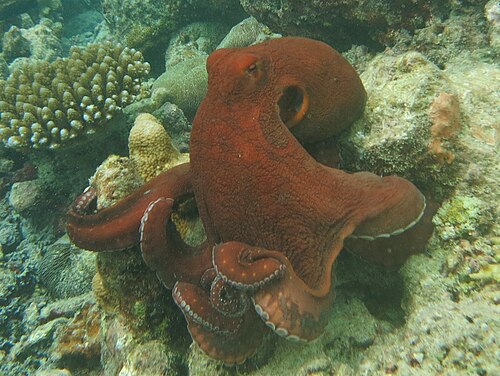
Prey Ahmed Abdul Rahman / CC BY-SA 4.0 · cc-by-sa
Help improve the field guideSomething wrong?
Checking your Fauna account…Report a name, category, or profile issue for review.