
Reptile
Jackson's Chameleon
Trioceros jacksoniiAlso known as Jackson's Horned Chameleon, Three-horned Chameleon, Kikuyu Three-horned Chameleon
Jackson's chameleons are renowned for the three prominent brown horns present on mature males, giving them a distinctly prehistoric appearance. Native to the cool montane forests of East Africa, these slow-moving arboreal reptiles hunt insects using long, sticky, projectile tongues. Unlike most egg-laying lizards, females give birth to live young after a gestation period of several months.
ReptileTree DwellingColor Changing
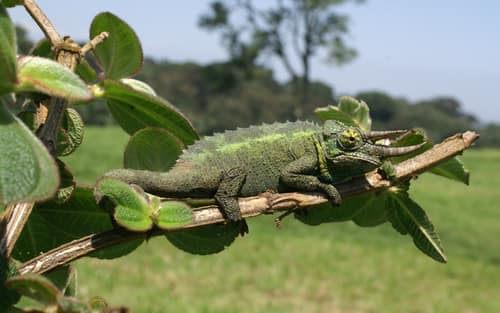
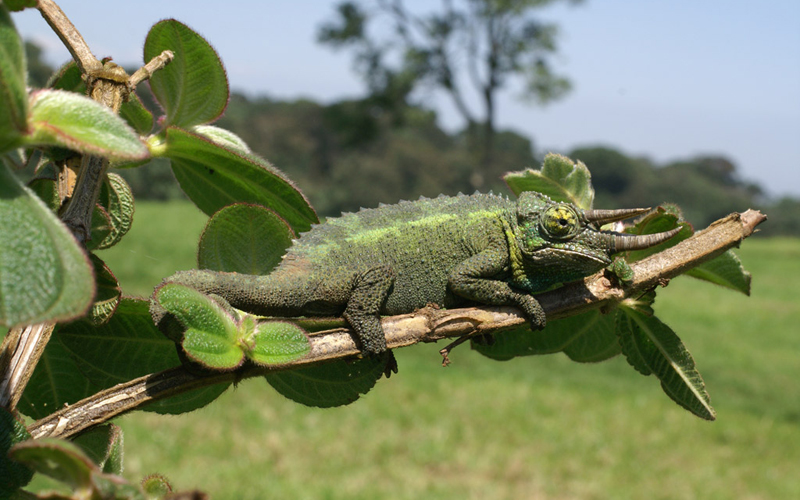
—observations
—countries
—peak records
Least ConcernConservation statusIUCN Red List categoriesLCNTVUENCREWEXLeast ConcernRed List categories, explained →
Diet & preyCrickets, Caterpillars, Spiders
Predators
- Birds of prey
- Snakes
- Domestic cats
ThreatsHabitat destruction, illegal collection for pet trade
HabitatsMontane cloud forests, humid woodlands, suburban gardens
Life span5–10 years
Classification
- FamilyChamaeleonidae
- GenusTrioceros
- SpeciesTrioceros jacksonii
Range data is not available yet.
Interaction riskLow
- Low
- Moderate
- High
- Very high
- Why interaction risk is low
- Capable of a minor defensive bite if cornered; observe quietly without handling.
Responsible observation
- Observation: Watch quietly from a few meters away, as stress causes their skin color to darken significantly.
- Handling: Allow the lizard to climb voluntarily onto a hand or twig rather than grabbing its body.
- Spotting: Look high in tree foliage during cool morning hours when they climb up to bask.
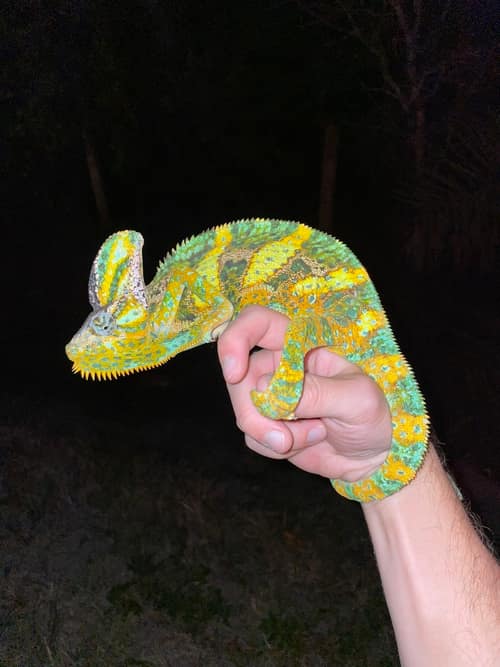
Ecological Peer (c) Daily Anole, some rights reserved (CC BY) · cc-by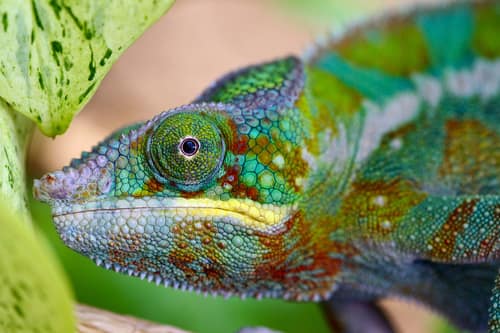
Ecological Peer (c) McBeul, some rights reserved (CC BY) · cc-by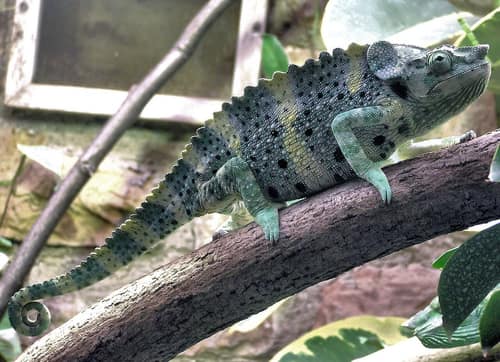
Close Relative Adrian Pingstone / Public domain · cc0
Keep collecting in Fauna
Found in Collections
Species set Pro
Emerald Kingdom
Jackson's Chameleon is found in this collection. Identify it in Fauna to fill this slot and continue your progress.
Unlock to track progress
Help improve the field guideSomething wrong?
Checking your Fauna account…Report a name, category, or profile issue for review.