
Insect
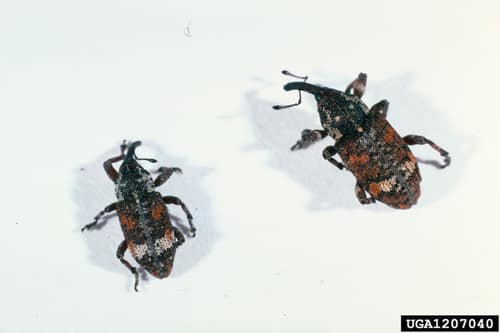
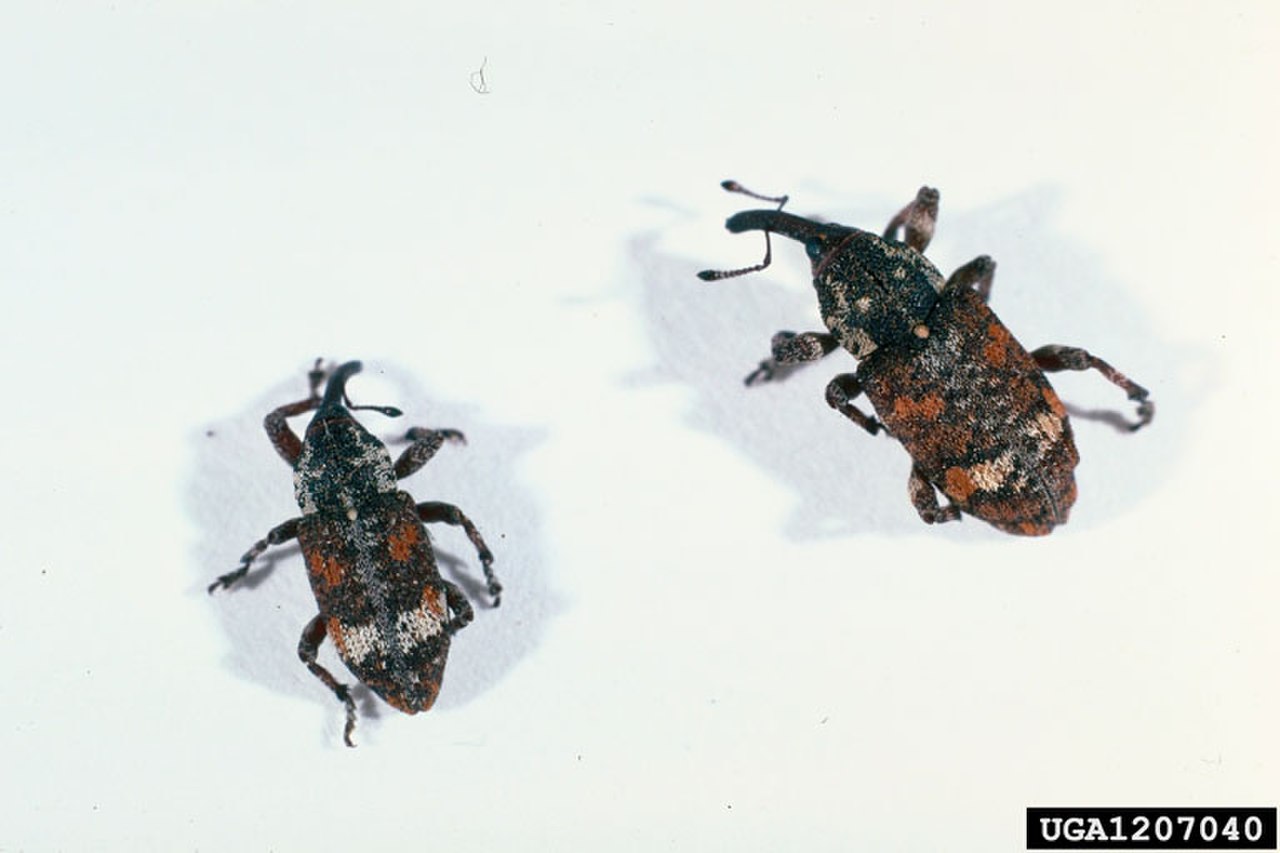
White Pine Weevil
Pissodes strobiAlso known as Engelmann Spruce Weevil, Sitka Spruce Weevil
Adults emerge in early spring to mate and chew tiny feeding holes into the terminal shoots of young pines and spruces. Female weevils deposit eggs within the punctures, and the hatched larvae burrow downward through the phloem, effectively girdling the central stem. This feeding kills the terminal leader, producing a characteristic shepherd's crook wilt and forcing lower branches to compete for dominance, leaving behind heavily branched or crooked trees.
Forest PestBeetleConifer Specialist
—observations
—countries
—peak records
Not EvaluatedConservation statusIUCN Red List categoriesLCNTVUENCREWEXNot Evaluated — not placed on the risk ladderRed List categories, explained →
Diet & preyEastern White Pine, Sitka Spruce, Engelmann Spruce
Predators
- Downy Woodpecker
- Lonchaeid Flies
- Braconid Wasps
ThreatsParasitoid wasps, predatory flies, and harsh winter extremes
HabitatsConifer forests, pine plantations, and woodland edges
Life span1 year
Classification
- FamilyCurculionidae
- SpeciesPissodes strobi
Range data is not available yet.
Interaction riskLow
- Low
- Moderate
- High
- Very high
- Why interaction risk is low
- Safe to observe at a normal distance.
Responsible observation
- Spotting Damage: Look for brown, wilted terminal shoots hooked downward like a cane on young sunny pines.
- Spring Searching: Check the central leaders of open-grown conifer saplings on sunny mornings in April and May.
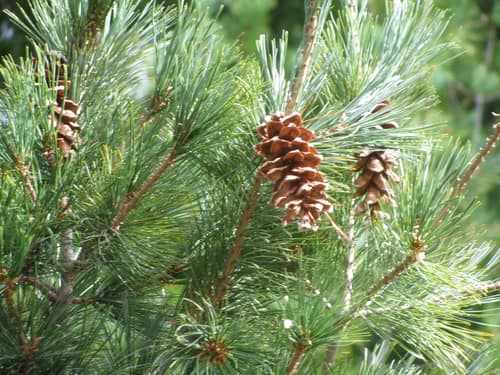
Host Plant (c) Forest and Kim Starr, some rights reserved (CC BY) · cc-by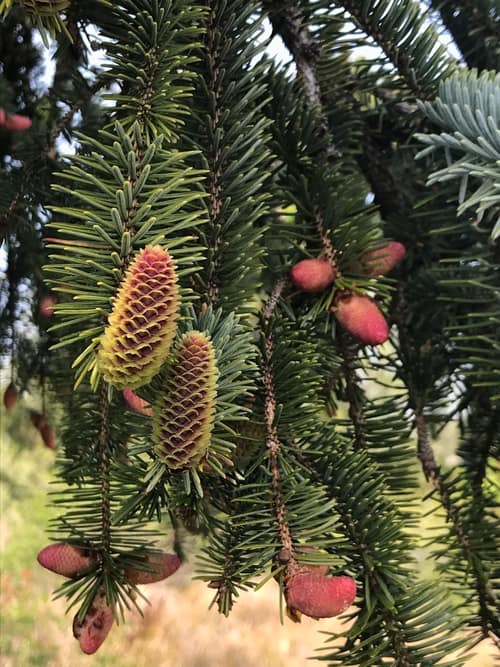
Host Plant (c) Aaron Liston, some rights reserved (CC BY), uploaded by Aaron Liston · cc-by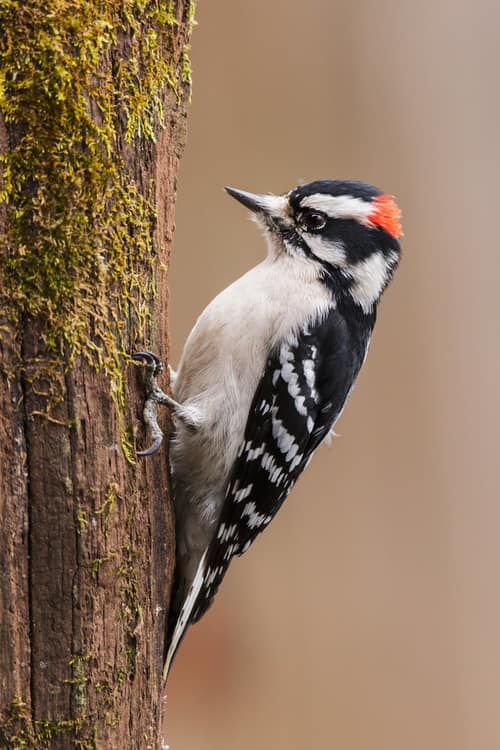
Predator "Male Downy Woodpecker" by ShenandoahNPS is marked with Public Domain Mark 1.0. To view the terms, visit https://creativecommons.org/publicdomain/mark/1.0/. · cc0 Image unavailable
Close Relative
Help improve the field guideSomething wrong?
Checking your Fauna account…Report a name, category, or profile issue for review.