
Plant · GBIF taxon 5284827
Sitka Spruce
Picea sitchensisAlso known as Coast Spruce, Tideland Spruce, Silver Spruce
Sitka spruces dominate the cool, damp fog belt of the Pacific Northwest coast, where high atmospheric moisture and rich alluvial soils allow them to reach record-breaking heights. Sharp, stiff needles radiate in all directions around their shoots, while thin, scaly bark breaks into distinctive circular plates on mature trunks. Their massive, sprawling root systems anchor them against severe winter ocean gales, enabling these forest giants to thrive for over five centuries.
EvergreenCoastal TreePacific Northwest
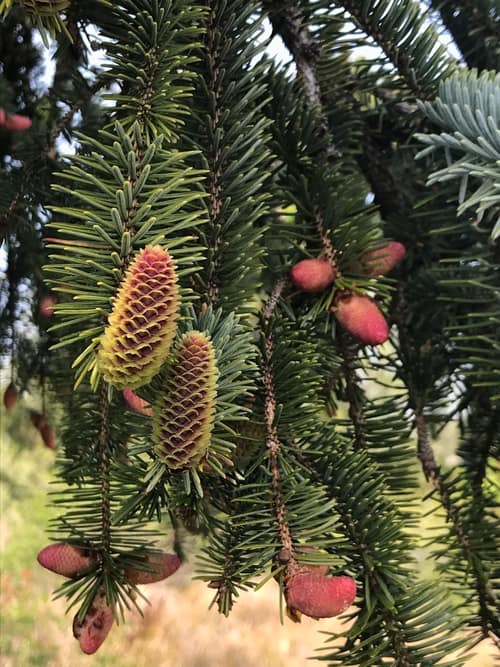
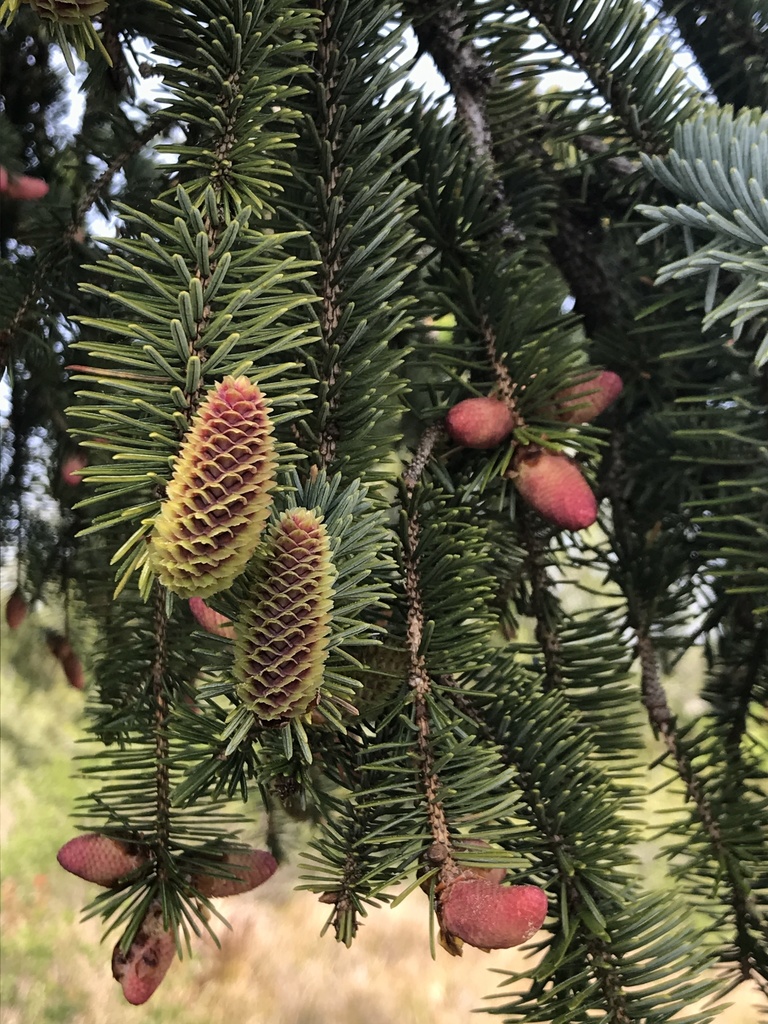 1 / 7
1 / 7—observations
—countries
—peak records
Least ConcernConservation statusIUCN Red List categoriesLCNTVUENCREWEXLeast ConcernRed List categories, explained →
Diet & prey
- Photosynthesis
Predators
- Sitka Spruce Weevil
- Green Spruce Aphid
- Black-Tailed Deer
ThreatsDeforestation, Sitka Spruce Weevil, Climate Change
HabitatsCoastal Temperate Rainforests, Fog Belts, Estuaries
Life span500–700 years
Size / weightNot available
Classification
- OrderPinales
- FamilyPinaceae
- GenusPicea
- SpeciesPicea sitchensis
Range data is not available yet.
Interaction riskLow
- Low
- Moderate
- High
- Very high
- Why interaction risk is low
- Safe to observe at a normal distance.
Responsible observation
- Needle Check: Touch a branch gently to feel the unusually sharp, stiff needles that easily distinguish it from hemlocks or firs.
- Bark Observation: Look for circular, reddish-brown scaly plates on massive older trunks along coastal trails.
- Cone Identification: Search the forest floor for small, cylindrical cones with thin, papery scales.
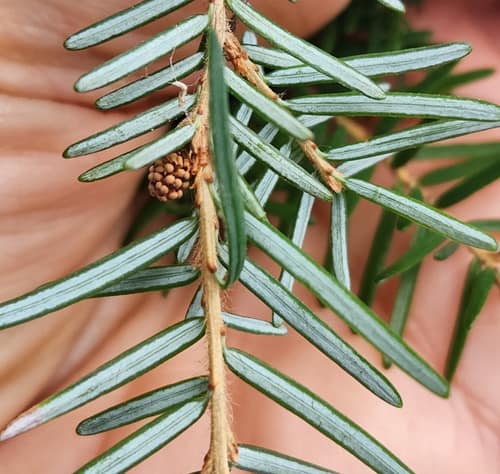
Frequent Companion (c) Lyrae, some rights reserved (CC BY), uploaded by Lyrae · cc-by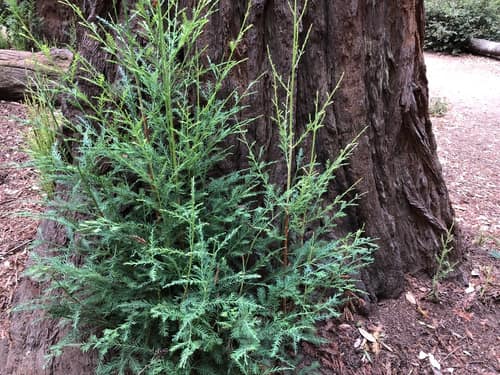
Frequent Companion (c) Miguel Vieira, some rights reserved (CC BY), uploaded by Miguel Vieira · cc-by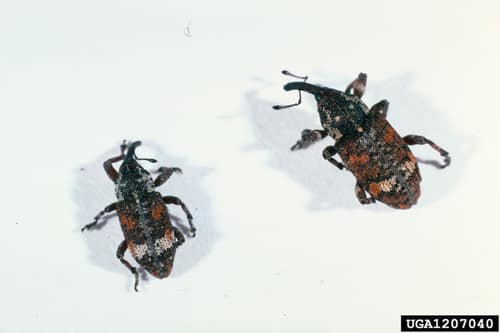
Parasite Dave Powell, USDA Forest Service (retired), Bugwood.org / Public domain · cc0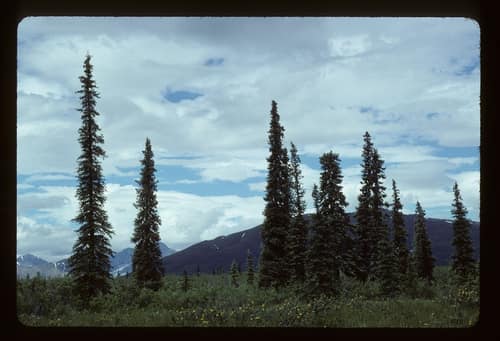
Close Relative (c) Douglas Goldman, some rights reserved (CC BY-SA), uploaded by Douglas Goldman · cc-by-sa
Help improve the field guideSomething wrong?
Checking your Fauna account…Report a name, category, or profile issue for review.