
Plant
Eastern White Pine
Pinus strobusAlso known as Northern White Pine, Weymouth Pine, Soft Pine, White Pine
Eastern white pines dominate eastern North American woodlands, easily identified by soft needles growing in distinct bundles of five. These fast-growing forest giants historically reached heights exceeding sixty meters and provided essential timber for early shipbuilding. Their wide-spreading horizontal branches create layered, feathered silhouettes across northern canopies while long cones nourish birds and small mammals.
EvergreenConiferForest Giant
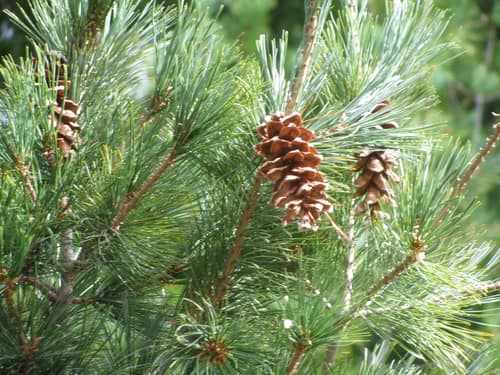
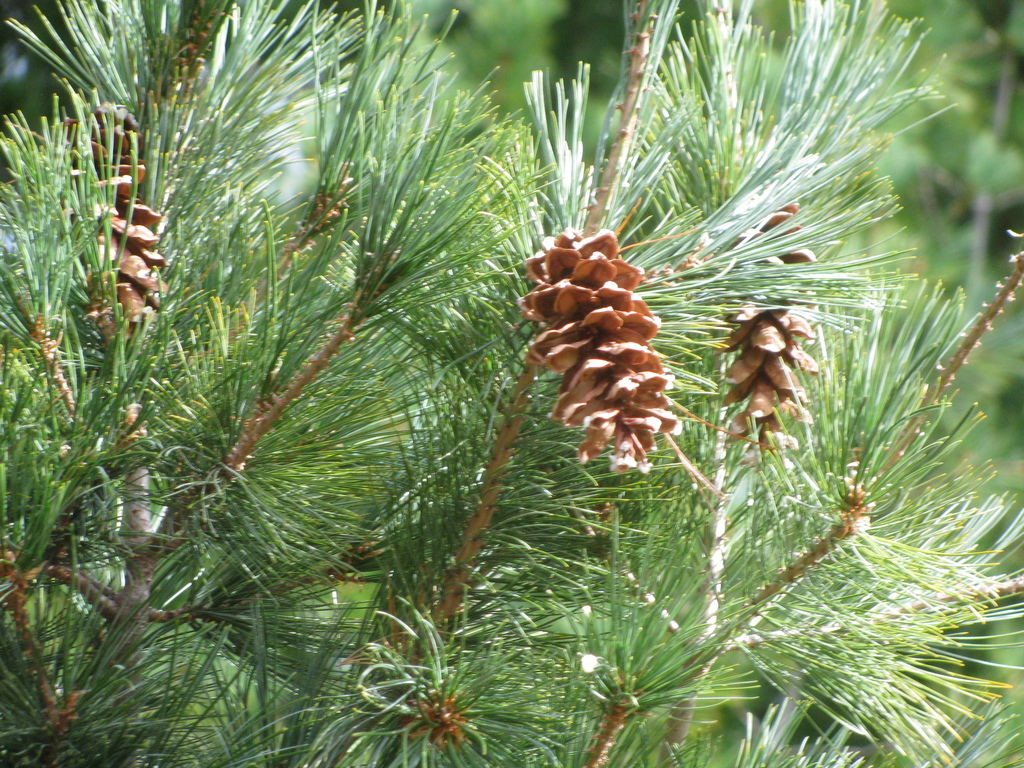
—observations
—countries
—peak records
Least ConcernConservation statusIUCN Red List categoriesLCNTVUENCREWEXLeast ConcernRed List categories, explained →
Diet & preyAutotrophic (Photosynthesis)
Predators
- Pine Bark Beetle
- White-Tailed Deer
- Porcupine
ThreatsWhite Pine Blister Rust, Pine Bark Beetle, Habitat Fragmentation
HabitatsTemperate Forests, Mixed Woodlands, Mountain Slopes
Life span200–400 years
Classification
- OrderPinales
- FamilyPinaceae
- GenusPinus
- SpeciesPinus strobus
Range data is not available yet.
Interaction riskLow
- Low
- Moderate
- High
- Very high
- Why interaction risk is low
- Safe to observe at a normal distance.
Responsible observation
- Needle Identification: Count five needles per cluster, corresponding to the five letters in W-H-I-T-E.
- Look for Cones: Search the ground beneath mature trees for slender, curved cones measuring ten to twenty centimeters long.
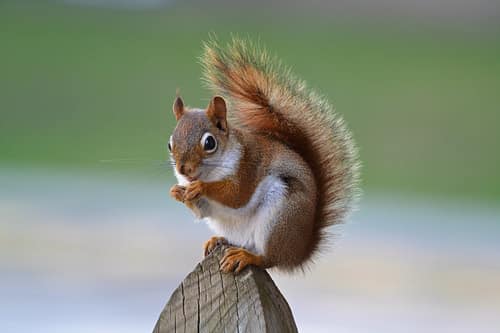
Seed Consumer (c) DaPuglet, some rights reserved (CC BY-SA) · cc-by-sa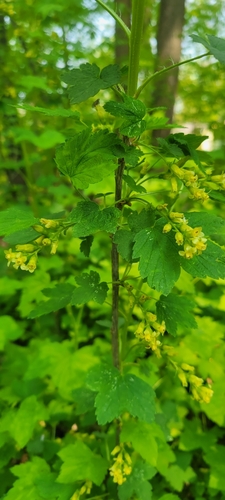
Alternate Host (c) WF_MI, some rights reserved (CC BY) · cc-by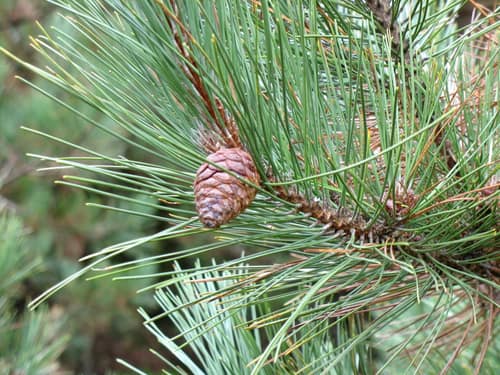
Close Relative (c) timmenzies on Flickr, some rights reserved (CC BY-SA) · cc-by-sa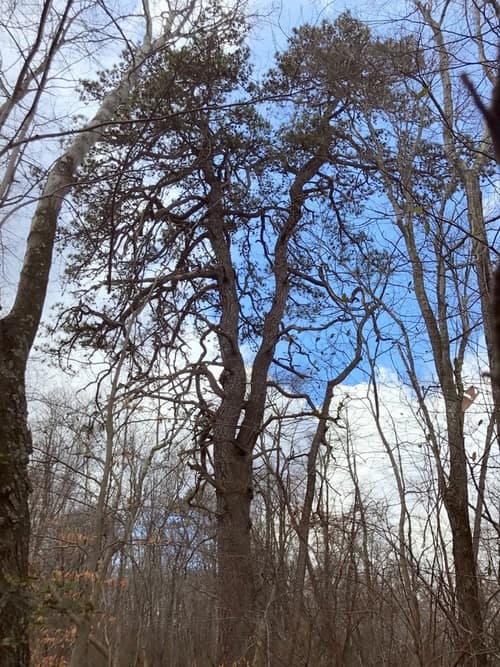
Close Relative (c) Michael Ellis, some rights reserved (CC BY) · cc-by
Help improve the field guideSomething wrong?
Checking your Fauna account…Report a name, category, or profile issue for review.