
Mammal · GBIF taxon 7759914
Antarctic Minke Whale
Balaenoptera bonaerensisAlso known as Southern Minke Whale, Dark-shouldered Minke Whale
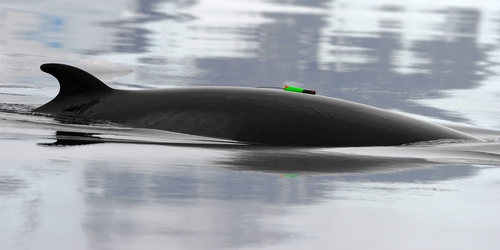
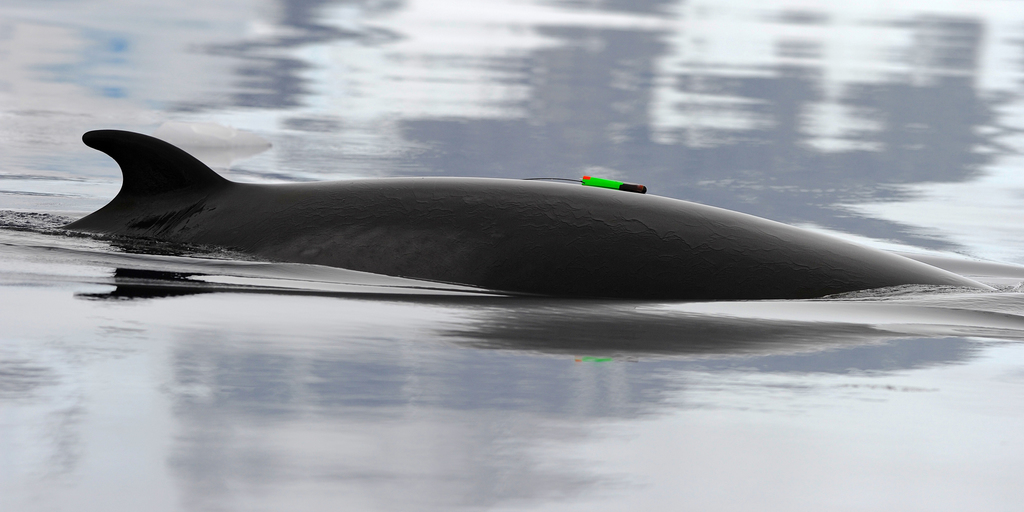
Antarctic minke whales are sleek, fast-swimming baleen whales that navigate deep into the freezing pack ice of the Southern Ocean every summer. They feed almost exclusively on dense swarms of Antarctic krill, surfacing briefly with a pointed snout and tall, curved dorsal fin before diving back into icy waters. During winter, individuals migrate north to tropical and subtropical breeding grounds where mothers nurse their single calves.
Marine MammalOceanicMigratory
 1 / 3
1 / 3—observations
—countries
—peak records
Near ThreatenedConservation statusIUCN Red List categoriesLCNTVUENCREWEXNear ThreatenedRed List categories, explained →
Diet & prey
- Antarctic Krill
- Small Fish
- Amphipods
Predators
- Orca
ThreatsClimate change, sea ice retreat, historical whaling pressure, marine pollution
HabitatsSouthern Ocean, Antarctic pack ice, open sea, subantarctic waters
Life span40–50 years
Size / weightNot available
Classification
- FamilyBalaenopteridae
- SpeciesBalaenoptera bonaerensis
Range data is not available yet.
Interaction riskHigh
- Low
- Moderate
- High
- Very high
- Why interaction risk is high
- Observe from a safe boat distance to prevent collision or disturbance.
- Why it is dangerous
- Massive body mass and sudden surfacing near vessels can capsize small watercraft or cause accidental collision.
- How to recognize a risky encounter
- Look for a dark grey body without white pectoral bands, a sharply pointed head, and a tall curved dorsal fin.
- What to do
- Keep engines neutral when whales approach and never cut across a whale's path.
- What to notice
- Recognizable by a sleek, dark grey body, pale grey chevron markings on the back, and white underside.
- Support conservation
- Follow international whale-watching protocols by reducing vessel speed and maintaining respectful distance.
Responsible observation
- Maintain Distance: Keep boats at least 100 meters away to avoid disrupting swimming paths or feeding.
- Watch Ice Edges: Look for narrow V-shaped blows near pack ice leads where they surface to breathe.
- Listen for Sounds: Listen for low-frequency vocalizations or bio-sonar clicks on hydrophone equipment.
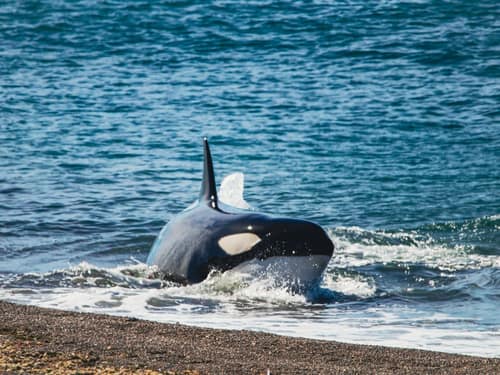
Predator (c) Martín Acosta Albarracín, some rights reserved (CC BY), uploaded by Martín Acosta Albarracín · cc-by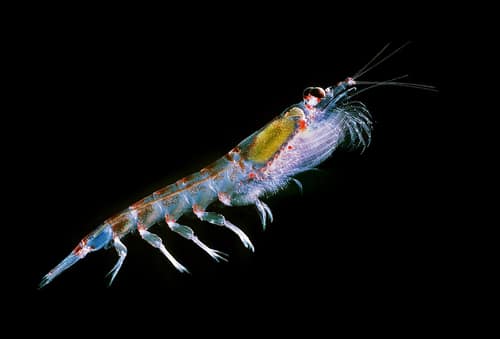
Prey (c) Krill666.jpg, some rights reserved (CC BY-SA) · cc-by-sa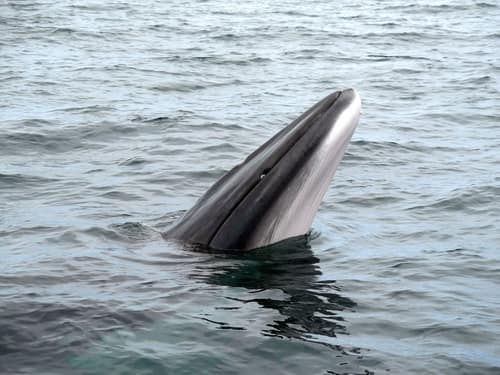
Close Relative (c) Nils, some rights reserved (CC BY), uploaded by Nils · cc-by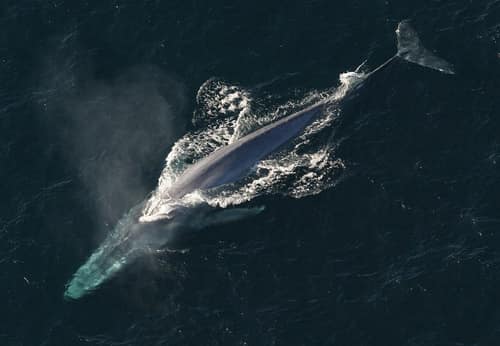
Close Relative NOAA / Public Domain (NOAA) · Public Domain (NOAA)
Help improve the field guideSomething wrong?
Checking your Fauna account…Report a name, category, or profile issue for review.