
Orca
Orcinus orcaAlso known as Killer Whale, Blackfish, Grampus
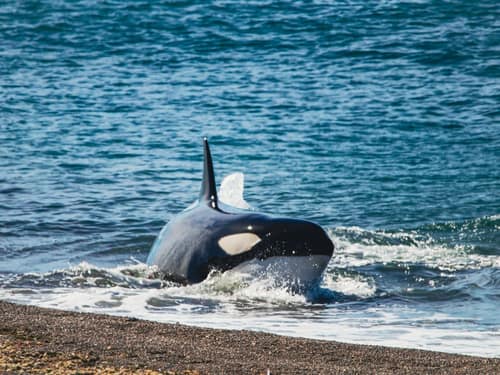
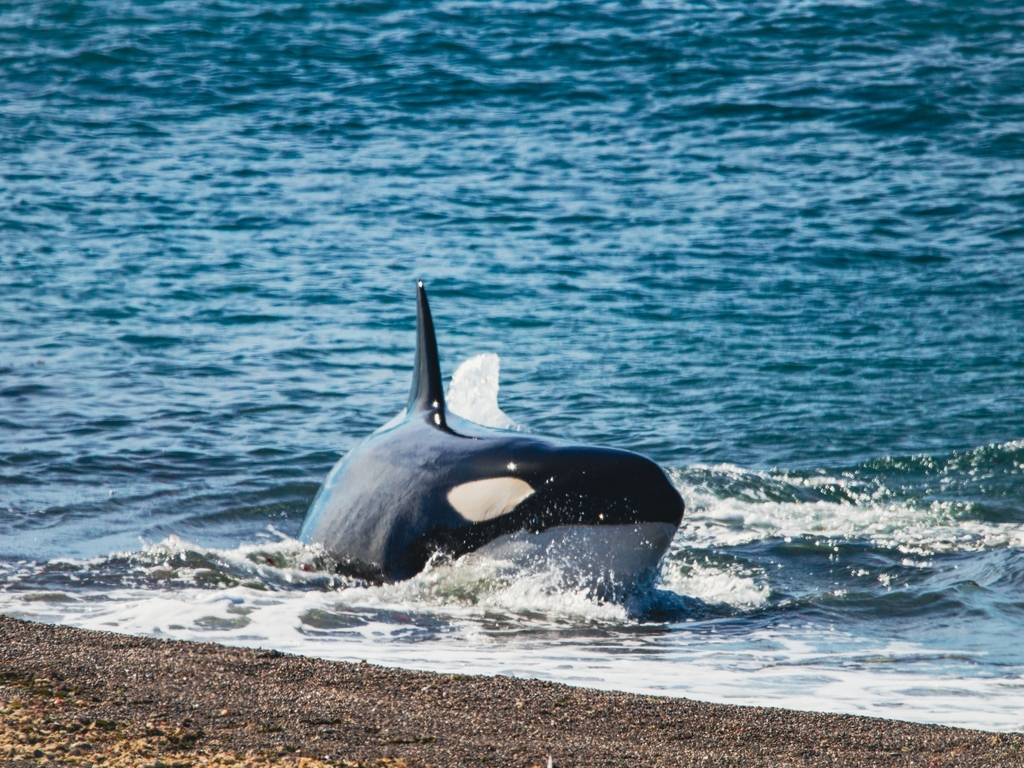
Orcas are highly social apex predators that travel in matrilineal pods, utilizing complex vocal dialects and coordinated strategies to hunt everything from salmon to blue whales. Different distinct ecotypes specialize in specific prey and hunting techniques, ranging from beach-ing themselves to catch seals to wave-washing ice floes. Matriarchs lead these family units for decades, passing down intricate cultural knowledge to younger generations.
- Harbor Seal
- Chinook Salmon
- Humpback Whale
Not available
- OrderCetacea
- FamilyDelphinidae
- GenusOrcinus
- SpeciesOrcinus orca
Marine distribution — the ocean basins and seas where the species occurs.
- Low
- Moderate
- High
- Very high
- Why interaction risk is high
- Apex marine predator capable of severe harm; maintain a respectful distance at all times.
- Why it is dangerous
- Extremely large apex predators capable of flipping small watercraft or causing trauma if stressed.
- How to recognize a risky encounter
- Distinct black-and-white body with a tall triangular dorsal fin and white eye patches.
- What to do
- Never enter the water near wild pods; give them a wide berth and keep boat engines in neutral.
- What to notice
- Tall dorsal fin breaching the surface accompanied by loud, explosive exhales.
- Support conservation
- Reduce speed below 7 knots when near pods and never cut across their direction of travel.
- Observe from Boats: Keep engine in neutral or idle when whales approach within 300 meters.
- Watch for Blows: Look for tall vertical spouts rising 3 meters high on calm seas.
- Respect Regulations: Maintain minimum legal distances to protect pod communication and hunting.
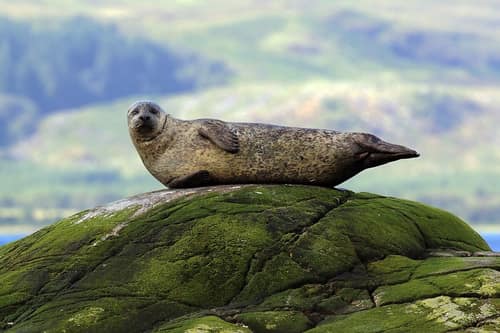
Prey Charles J. Sharp / CC BY-SA 4.0 · cc-by-sa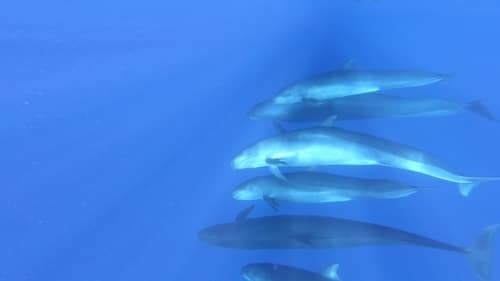
Close Relative (c) tunicatedreamz, some rights reserved (CC BY) · cc-by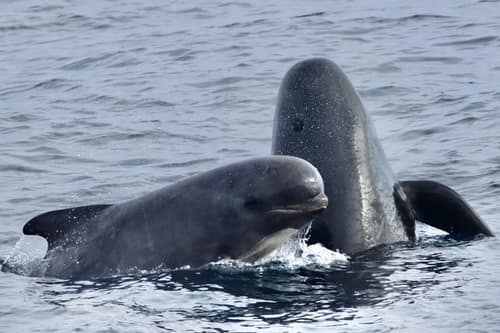
Family Member (c) Vsevolod Rudyi, some rights reserved (CC BY), uploaded by Vsevolod Rudyi · cc-by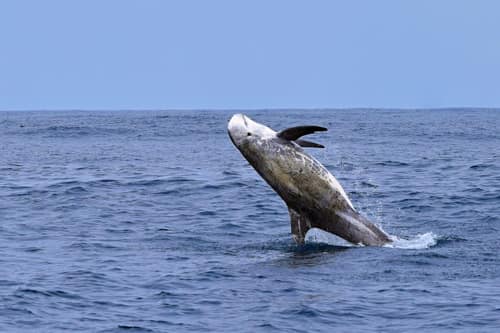
Family Member (c) Daniel Benák, some rights reserved (CC BY), uploaded by Daniel Benák · cc-by
Found in Collections
Ocean Creatures
Orca is found in this collection. Identify it in Fauna to fill this slot and continue your progress.
Unlock to track progress
Report a name, category, or profile issue for review.