
Mammal · GBIF taxon 2440728
Common Minke Whale
Balaenoptera acutorostrataAlso known as Northern Minke Whale, Lesser Rorqual, Little Piked Whale
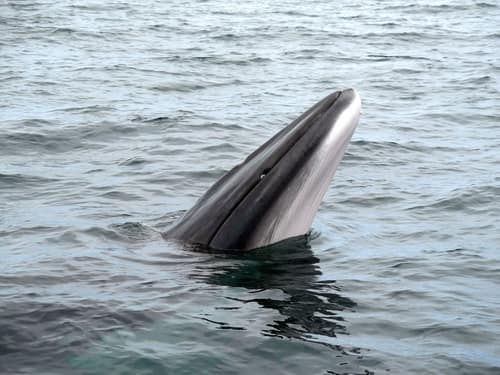
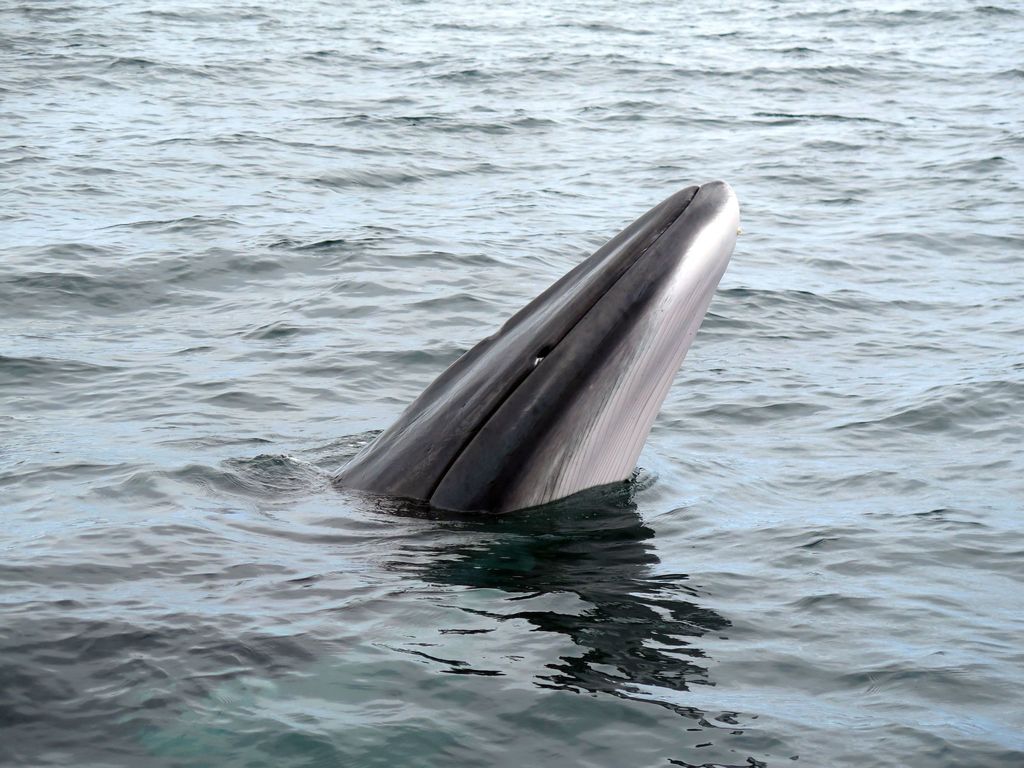
Common minke whales are the smallest of the northern rorquals, recognized by their sharply pointed snouts and prominent white patches across their pectoral flippers. They perform expansive seasonal migrations, feeding on dense swarms of krill and small fish in cold polar waters during summer before moving to warm tropical seas to mate. Curious by nature, these agile swimmers sometimes approach stationary vessels, surfacing with a brief blow that rarely forms a tall visible spout.
Marine MammalOcean MigrantBaleen Whale
—observations
—countries
—peak records
Least ConcernConservation statusIUCN Red List categoriesLCNTVUENCREWEXLeast ConcernRed List categories, explained →
Diet & prey
- Capelin
- Herring
- Krill
Predators
- Orca
- Large Sharks
ThreatsEntanglement in fishing gear, ship strikes, climate change, ocean noise
HabitatsPolar, temperate, and tropical ocean waters; coastal bays and open seas
Life span30–50 years
Size / weightNot available
Classification
- FamilyBalaenopteridae
- SpeciesBalaenoptera acutorostrata
Range data is not available yet.
Interaction riskHigh
- Low
- Moderate
- High
- Very high
- Why interaction risk is high
- Massive aquatic mammal capable of accidentally capsizing small boats or breaching unexpectedly near vessels.
- Why it is dangerous
- Weighs several tons and can accidentally capsize or damage small watercraft if breaching or surfacing abruptly nearby.
- How to recognize a risky encounter
- Recognized by a dark grey body, sharply pointed snout, and bright white band across each pectoral flipper.
- What to do
- Keep boat engines in neutral when nearby and maintain a distance of at least 100 meters.
Responsible observation
- Boating Etiquette: Maintain a distance of at least 100 meters and cut engines if an individual approaches.
- Field Identification: Watch for a simultaneous display of the pointed snout, low blow, and curved dorsal fin.
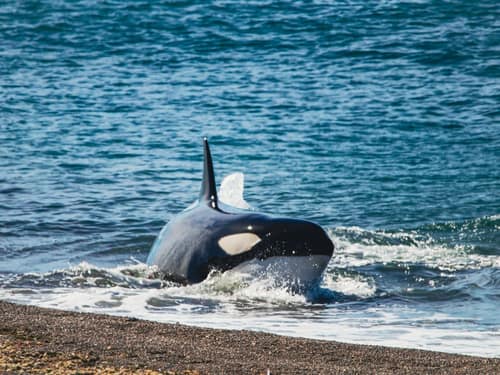
Predator (c) Martín Acosta Albarracín, some rights reserved (CC BY), uploaded by Martín Acosta Albarracín · cc-by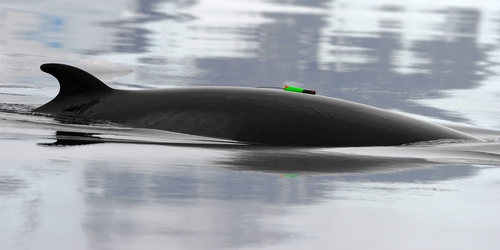
Close Relative (c) Oregon State University/Ari Friedlaender, some rights reserved (CC BY-SA) · cc-by-sa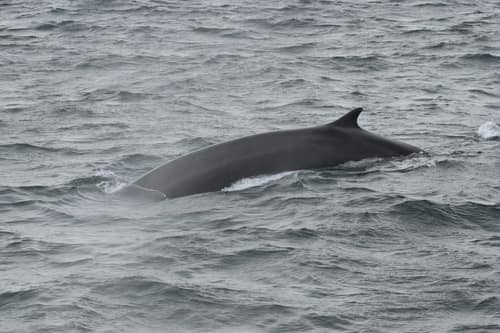
Close Relative (c) Cephas, some rights reserved (CC BY-SA) · cc-by-sa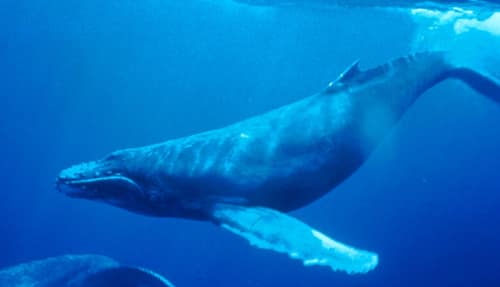
Family Member Wikimedia Commons / Public domain · cc0
Help improve the field guideSomething wrong?
Checking your Fauna account…Report a name, category, or profile issue for review.