
Reptile · GBIF taxon 7688390
Striped Racer
Masticophis lateralisAlso known as California Whipsnake, Striped Whipsnake
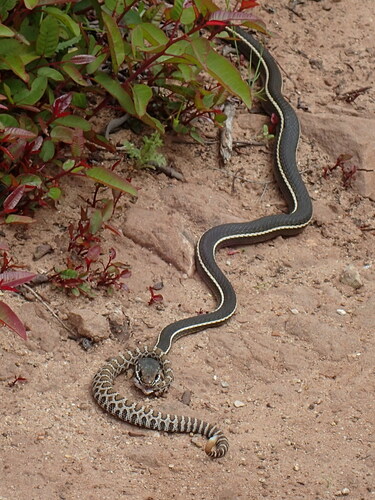
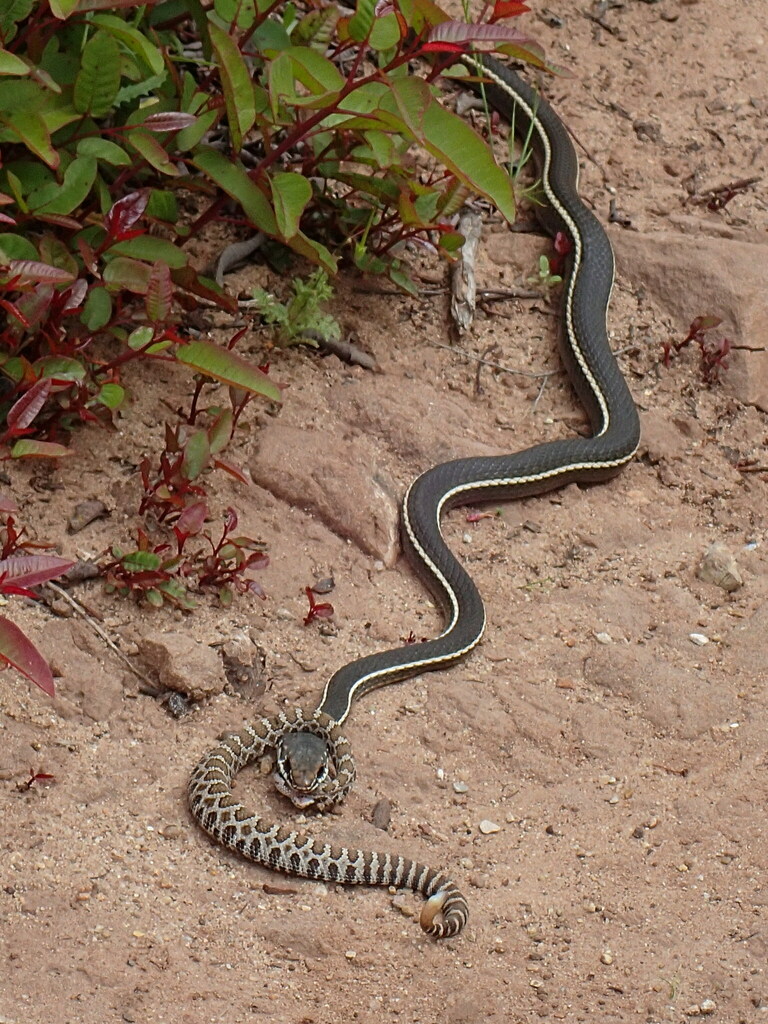
Fast-moving and diurnal, Striped Racers are active predators that use keen eyesight to hunt across chaparral, brushland, and open oak woodlands. They frequently lift their heads above grass or low shrubs to survey their surroundings, a characteristic posture known as periscoping. When threatened, these agile reptiles dart into dense brush or rocky crevices with remarkable speed.
DiurnalFast-MovingReptile
—observations
—countries
—peak records
Least ConcernConservation statusIUCN Red List categoriesLCNTVUENCREWEXLeast ConcernRed List categories, explained →
Diet & prey
- Western Fence Lizard
- Deer Mouse
- Pacific Treefrog
Predators
- Red-Tailed Hawk
- Greater Roadrunner
- Coyote
ThreatsHabitat fragmentation, wildfire, urban development
HabitatsChaparral, oak woodland, coastal scrub, rocky foothills
Life span10–15 years
Size / weightNot available
Classification
- FamilyColubridae
- GenusMasticophis
- SpeciesMasticophis lateralis
Range data is not available yet.
Interaction riskLow
- Low
- Moderate
- High
- Very high
- Why interaction risk is low
- Non-venomous but may bite rapidly if cornered; observe from a respectful distance.
- Why it is dangerous
- Delivers multiple quick, painful bites with sharp teeth when grabbed, though completely non-venomous.
- How to recognize a risky encounter
- Slender dark brown or black body marked with a solid pale yellow stripe down each side.
- What to do
- Allow the snake a clear retreat path and never attempt to pick it up in the wild.
- What to notice
- Look for distinct light side-stripes running continuously from behind the head to the tail.
- Support conservation
- Stay on marked trails to safeguard sensitive chaparral habitats and avoid disturbing rock outcrops.
Responsible observation
- Observation: Scan sunlit trail margins and low bushes during warm morning hours.
- Approach: Maintain a quiet distance, as their sharp vision detects sudden movements easily.
- Handling: Avoid reaching toward or trapping wild individuals to prevent defensive strikes.
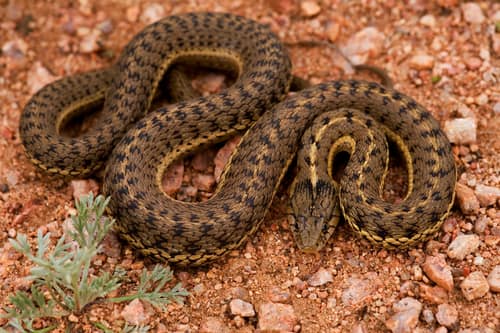
Co-Occurring Colubrid no rights reserved · cc0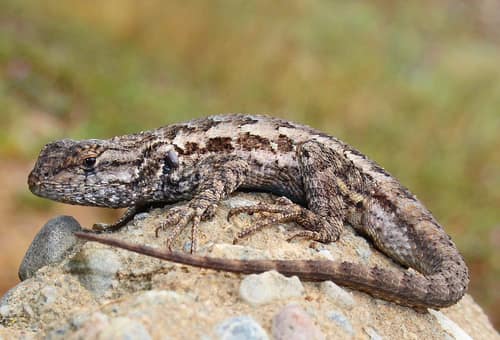
Primary Prey Connor Long / CC BY-SA 4.0 · cc-by-sa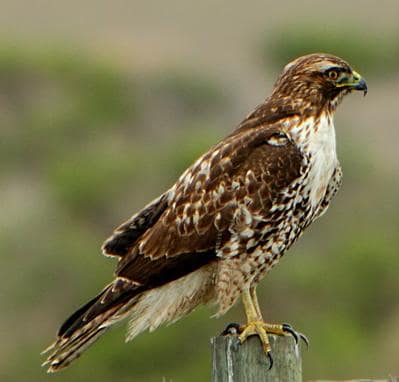
Predator Buteo_jamaicensis_1.jpg: Alan Vernon derivative work: Berichard (talk) / CC BY 2.0 · cc-by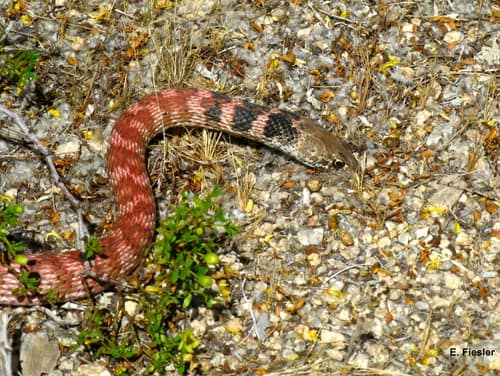
Close Relative (c) Joshua Tree National Park, some rights reserved (CC BY) · cc-by
Help improve the field guideSomething wrong?
Checking your Fauna account…Report a name, category, or profile issue for review.