
Plant · GBIF taxon 7344766
Orange Coneflower
Rudbeckia fulgidaAlso known as Perennial Coneflower, Orange Black-Eyed Susan
Orange coneflowers brighten eastern North American meadows and open woodlands with long-lasting summer blooms featuring rich golden-yellow ray florets around a dark chocolate-brown central cone. Clump-forming perennials spread steadily via underground rhizomes to create dense drift-like colonies that anchor native prairies and rain gardens. In autumn, ripe seed heads become a vital winter food source for resident songbirds like goldfinches.
PerennialPollinator MagnetNative Wildflower
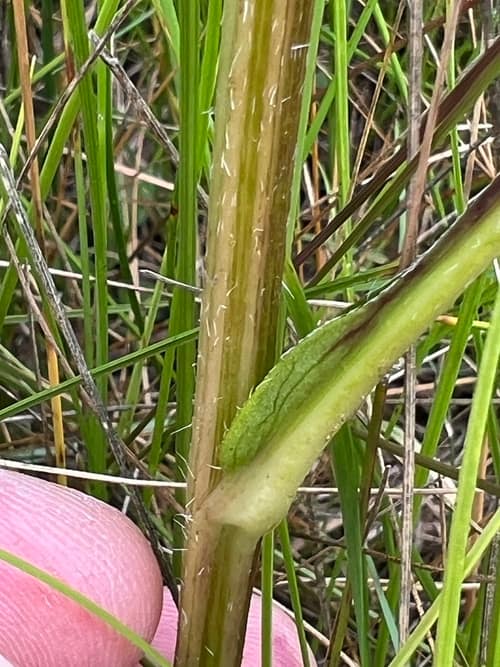
 1 / 7
1 / 7—observations
—countries
—peak records
Least ConcernConservation statusIUCN Red List categoriesLCNTVUENCREWEXLeast ConcernRed List categories, explained →
Diet & prey
- Autotrophic (photosynthetic)
Predators
- American Goldfinch
- White-Tailed Deer
- Eastern Cottontail
ThreatsHabitat fragmentation, invasive weed competition, land development
HabitatsOpen woodlands, prairies, savannas, moist meadows, garden borders
Life spanPerennial (individual clumps live 5–10+ years)
Size / weightNot available
Classification
- OrderAsterales
- FamilyAsteraceae
- GenusRudbeckia
- SpeciesRudbeckia fulgida
Range data is not available yet.
Interaction riskLow
- Low
- Moderate
- High
- Very high
- Why interaction risk is low
- Safe to observe at a normal distance.
Responsible observation
- Gardening for Wildlife: Leave dried seed heads standing through winter to feed foraging songbirds.
- Identification Tip: Look for shiny dark green foliage and long-lasting late summer golden blooms.
- Pollinator Viewing: Visit patches on warm sunny afternoons to watch native bees and butterflies forage.
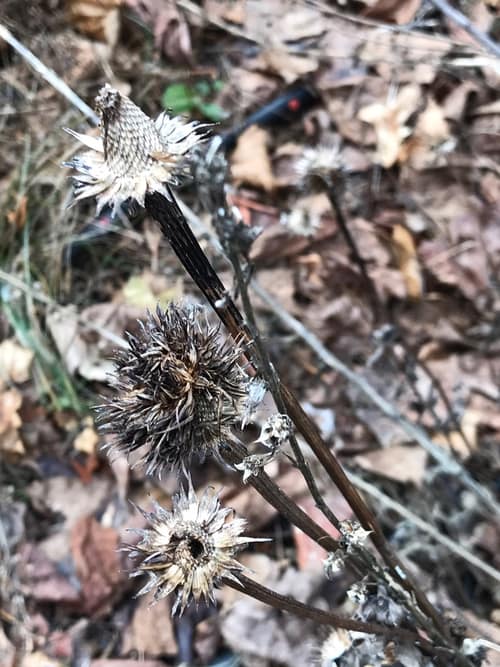
Ecological Companion (c) Sandy Wolkenberg, some rights reserved (CC BY), uploaded by Sandy Wolkenberg · cc-by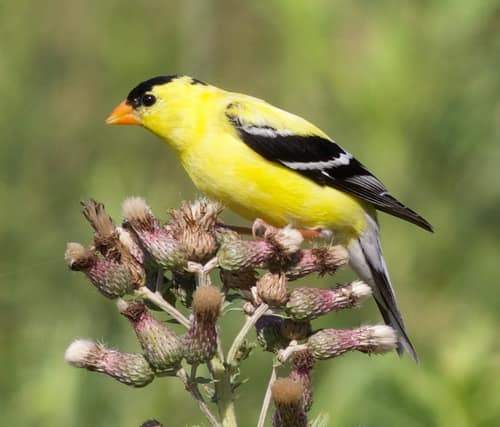
Seed Consumer no rights reserved, uploaded by Glenn Berry · cc0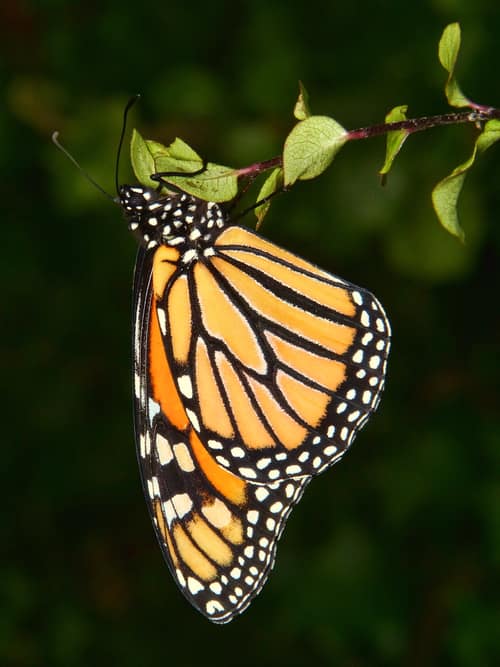
Nectar Visitor Sid Mosdell from New Zealand / CC BY 2.0 · cc-by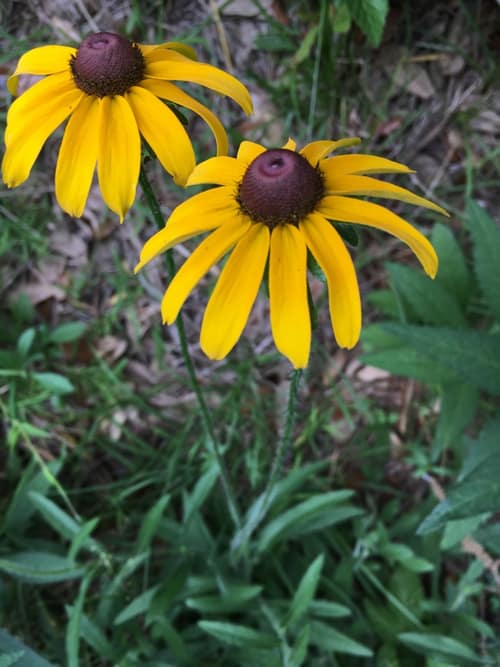
Close Relative no rights reserved, uploaded by Brady Reed · cc0
Close Relative (c) Andrew Skotnicki, some rights reserved (CC BY), uploaded by Andrew Skotnicki · cc-by
Help improve the field guideSomething wrong?
Checking your Fauna account…Report a name, category, or profile issue for review.