
Plant · GBIF taxon 7307829
French Lavender
Lavandula dentataAlso known as Fringed Lavender, Toothed Lavender
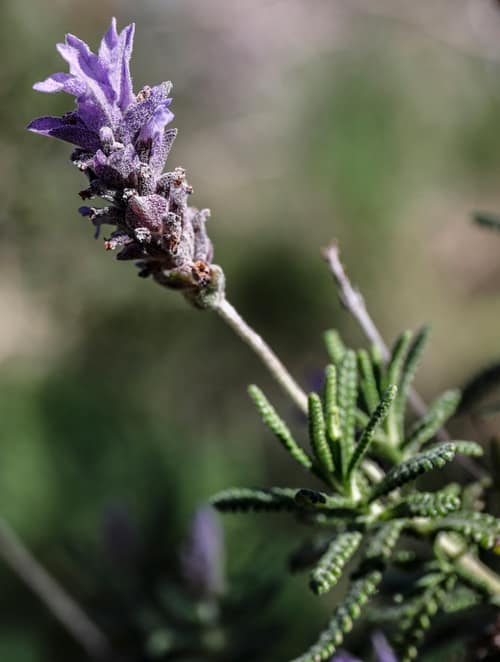
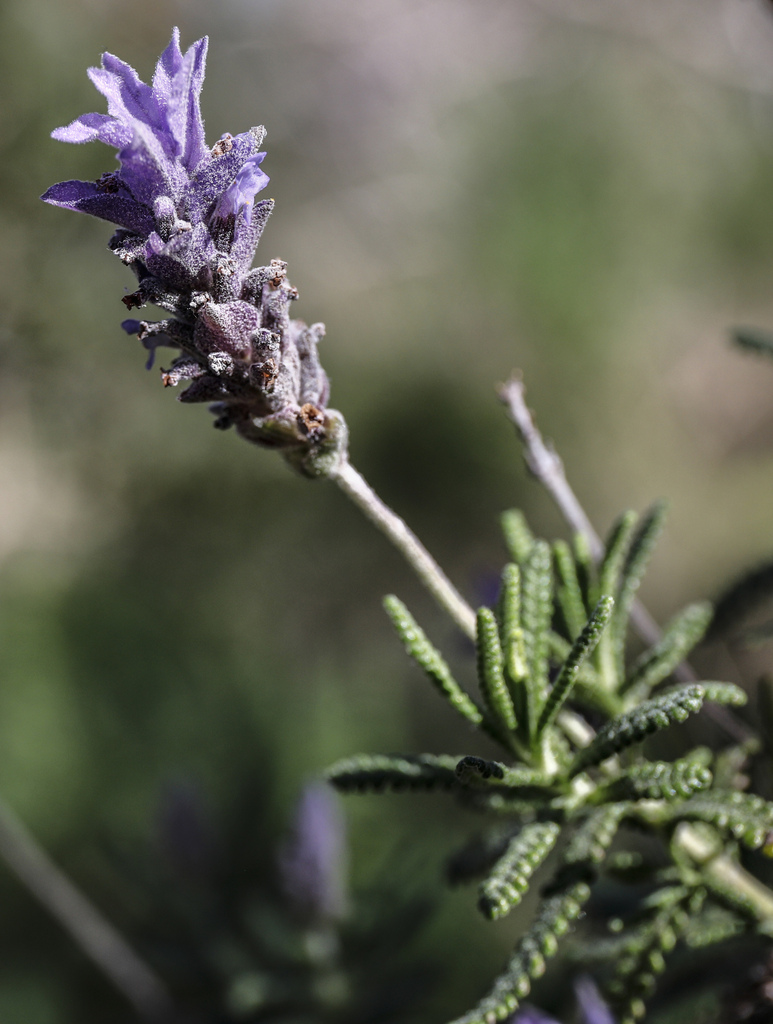
French lavender forms compact, aromatic evergreen shrubs distinguished by intricately scalloped or comb-like leaf margins. Throughout warm months, dense flower spikes emerge topped with soft violet sterile bracts that attract diverse pollinators across dry, sunny landscapes. Widely cultivated for its pungent, camphor-laced scent, it thrives in lean soils and tolerates maritime exposure better than many of its close relatives.
AromaticDrought-TolerantPollinator-Friendly
—observations
—countries
—peak records
Least ConcernConservation statusIUCN Red List categoriesLCNTVUENCREWEXLeast ConcernRed List categories, explained →
Diet & prey
- Autotrophic (photosynthetic)
Predators
- Meadow Spittlebug nymphs
- Garden snails
- Slugs
ThreatsOvergrazing, coastal development, soil-borne root rot pathogens in poorly drained conditions
HabitatsMediterranean scrub, garrigue, rocky limestone hillsides, arid coastal bluffs
Life span10–15 years
Size / weightNot available
Classification
- OrderLamiales
- FamilyLamiaceae
- GenusLavandula
- SpeciesLavandula dentata
Range data is not available yet.
Interaction riskHigh
- Low
- Moderate
- High
- Very high
- Why interaction risk is high
- Contains essential oils toxic to dogs and cats if ingested; harmless to touch.
- Why it is dangerous
- Plant tissues contain linalool and linalyl acetate, which cause gastrointestinal upset, vomiting, and lethargy in dogs, cats, and horses when chewed.
- How to recognize a risky encounter
- Recognized by its fine, toothed leaf edges, grey-green foliage, and rounded lavender flower spikes capped by delicate purple bracts.
- What to do
- Keep ornamental plantings or dried cuttings out of reach of curious household pets.
Responsible observation
- Scent Experience: Gently brush the toothed leaves between your fingers to release the refreshing resinous aroma without damaging the stem.
- Best Viewing: Inspect the purple spikes in bright midday sun when native bees and flower flies are actively foraging.
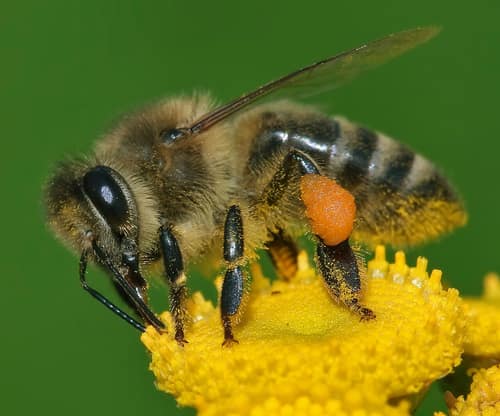
Pollinator Andreas Trepte / CC BY-SA 2.5 · cc-by-sa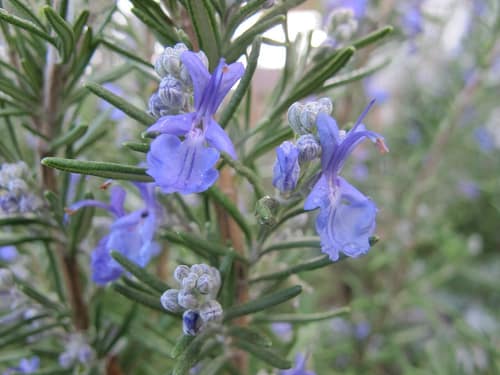
Neighbor Margalob / CC BY-SA 4.0 · cc-by-sa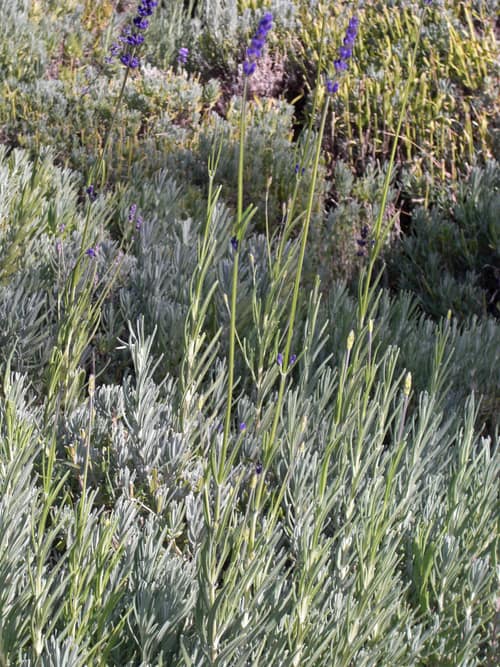
Close Relative (c) Andrey Zharkikh, some rights reserved (CC BY) · cc-by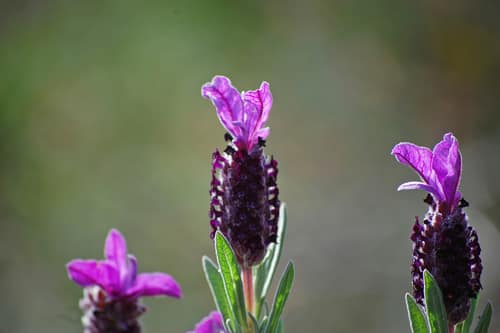
Close Relative (c) Davide Puddu, some rights reserved (CC BY), uploaded by Davide Puddu · cc-by
Help improve the field guideSomething wrong?
Checking your Fauna account…Report a name, category, or profile issue for review.