
Plant · GBIF taxon 2927305
Common Lavender
Lavandula angustifoliaAlso known as English Lavender, True Lavender, Garden Lavender, Narrow-Leaved Lavender
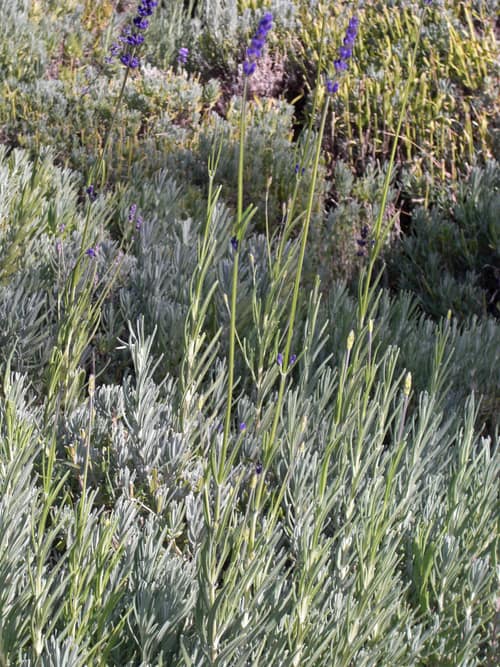
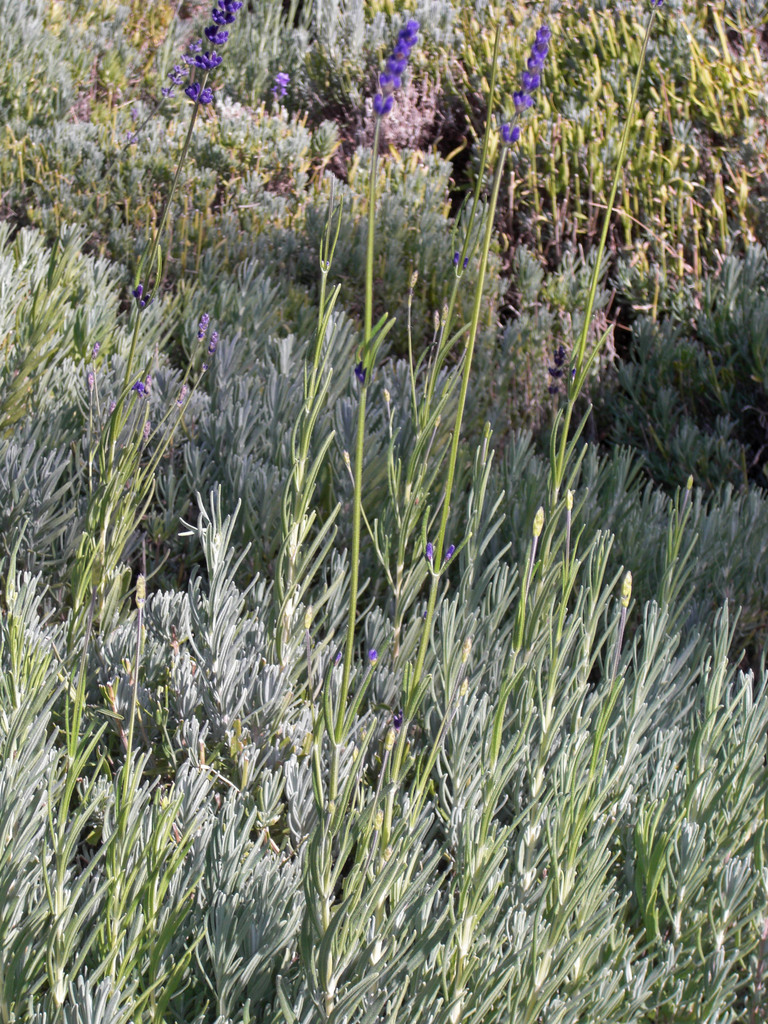
Common lavender is a compact, aromatic evergreen shrub famous for its narrow gray-green leaves and dense spikes of fragrant purple flowers. Native to the rocky slopes of the western Mediterranean, it thrives in dry, sunny environments where its nectar attracts honeybees, bumblebees, and butterflies throughout summer. Essential oils concentrated in glandular hairs across its foliage and blooms give the plant its characteristic scent and natural pest deterrence.
AromaticFloweringPollinator-Friendly
—observations
—countries
—peak records
Least ConcernConservation statusIUCN Red List categoriesLCNTVUENCREWEXLeast ConcernRed List categories, explained →
Diet & prey
- Autotrophic (Photosynthesis)
Predators
Not available
ThreatsHabitat loss in wild range, fungal root rot from overwatering
HabitatsRocky Mediterranean slopes, scrublands, dry grasslands, cultivated gardens
Life span20–30 years
Size / weightNot available
Classification
- OrderLamiales
- FamilyLamiaceae
- GenusLavandula
- SpeciesLavandula angustifolia
Range data is not available yet.
Interaction riskHigh
- Low
- Moderate
- High
- Very high
- Why interaction risk is high
- Mildly toxic to dogs and cats if ingested in quantity; keep away from curious pets.
- Why it is dangerous
- Contains linalool and linalyl acetate, which cause mild stomach upset and nausea in cats and dogs if consumed.
- How to recognize a risky encounter
- Recognized by square stems, narrow grayish-green leaves, and fragrant blue-violet flower spikes.
- What to do
- Position garden or potted plants out of reach of pets, and never feed foliage or essential oils to domestic animals.
Responsible observation
- Best Viewing: Visit flowering stands in midsummer when blooms peak and attract numerous pollinators.
- Gardening Care: Plant in full sun with lean, well-draining soil to prevent fungal root issues.
- Harvesting Tip: Prune stems in early morning when essential oil concentrations are highest.
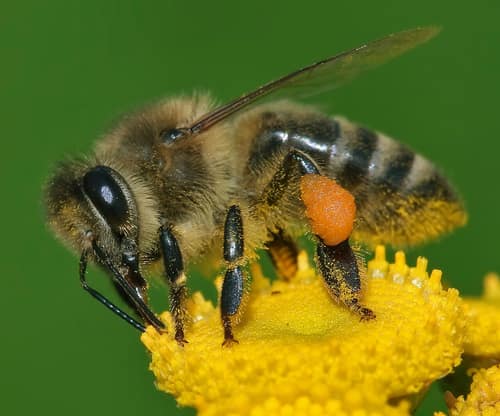
Pollinator Andreas Trepte / CC BY-SA 2.5 · cc-by-sa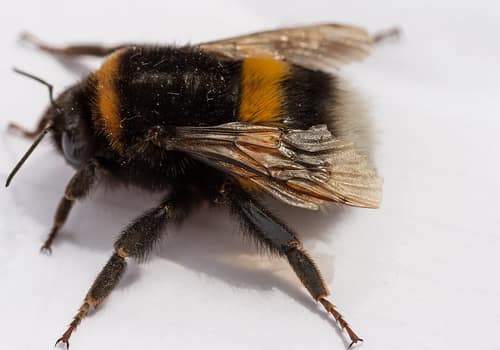
Pollinator Marco Almbauer / CC0 · cc0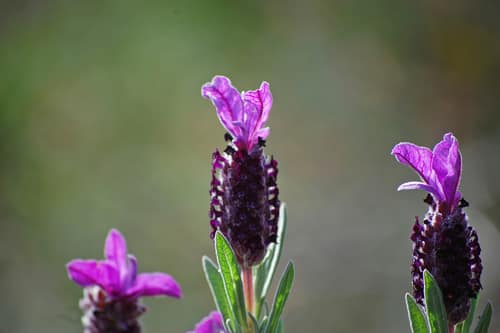
Close Relative (c) Davide Puddu, some rights reserved (CC BY), uploaded by Davide Puddu · cc-by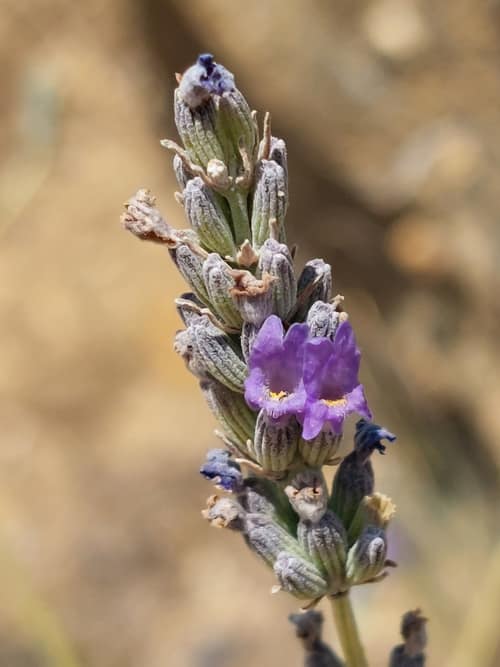
Close Relative (c) Diego Rodríguez Hernández, some rights reserved (CC BY), uploaded by Diego Rodríguez Hernández · cc-by
Help improve the field guideSomething wrong?
Checking your Fauna account…Report a name, category, or profile issue for review.