
Plant · GBIF taxon 10902460
Rosemary
Salvia rosmarinusAlso known as Compass Plant, Polar Plant, Anthos
Rosemary thrives along arid, sun-baked Mediterranean coastal cliffs, where deep taproots anchor against salty sea breezes. The resinous foliage features narrow evergreen leaves with tucked-under margins that conserve vital moisture during summer droughts. In late winter and spring, massed whorls of delicate blue to lilac flowers draw dense swarms of wild bees and other pollinators.
AromaticEvergreenMediterranean
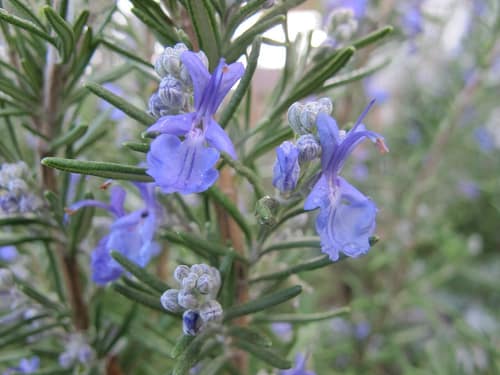
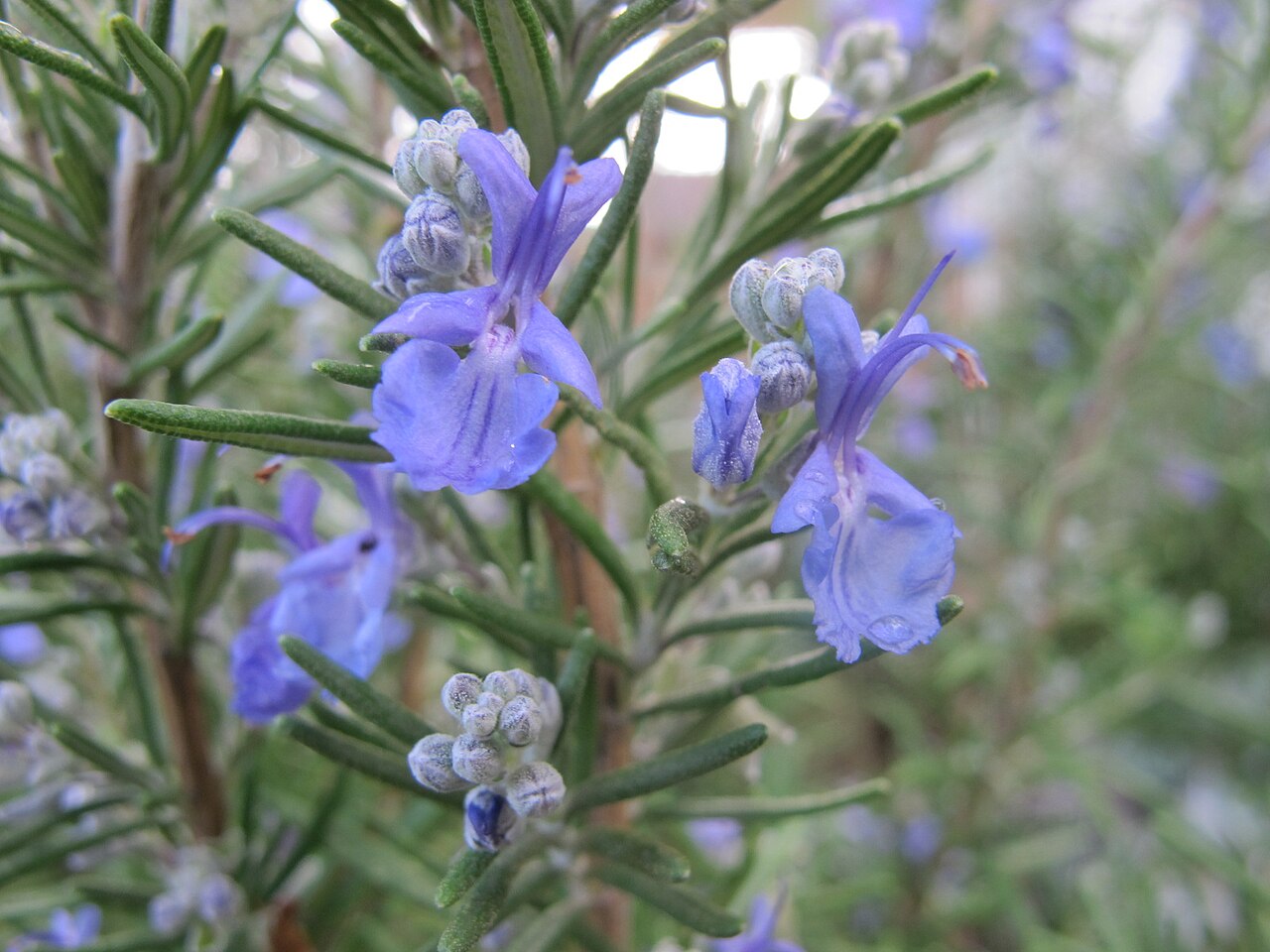
—observations
—countries
—peak records
Least ConcernConservation statusIUCN Red List categoriesLCNTVUENCREWEXLeast ConcernRed List categories, explained →
Diet & prey
- Autotrophic
Predators
- Spittlebugs
- Spider mites
- Root-knot nematodes
ThreatsUrban development, frequent wildfires, severe winter freezing
HabitatsMediterranean scrub, dry coastal slopes, rocky limestone hillsides
Life span10–30 years
Size / weightNot available
Classification
- OrderLamiales
- FamilyLamiaceae
- GenusSalvia
- SpeciesSalvia rosmarinus
Range data is not available yet.
Interaction riskLow
- Low
- Moderate
- High
- Very high
- Why interaction risk is low
- Safe to observe at a normal distance.
Responsible observation
- Leaf Scent: Gently brush fingers against the needle-like foliage to release aromatic oils.
- Habitat Spotting: Look for woody shrubs clinging to sunny, well-drained rocky slopes.
- Pollinator Watching: Observe flowering bushes during warm mornings when nectar production peaks.
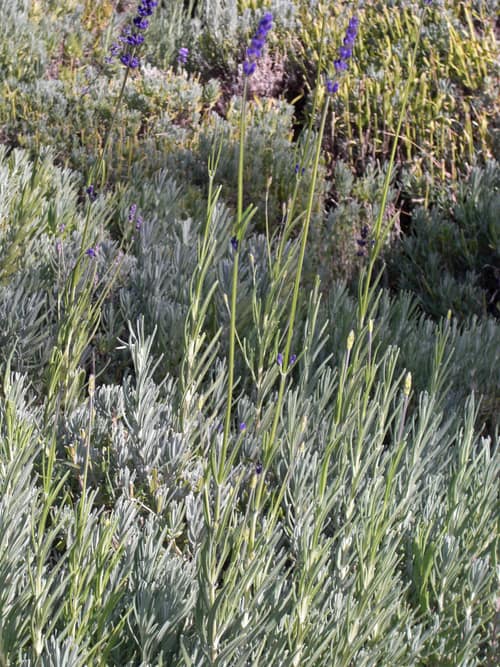
Frequent Companion (c) Andrey Zharkikh, some rights reserved (CC BY) · cc-by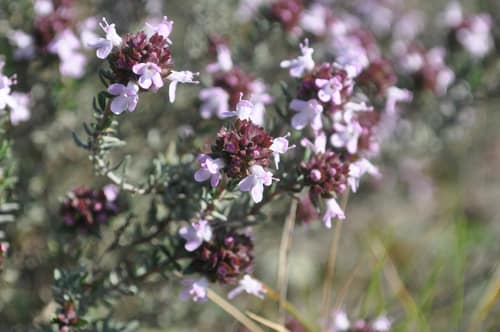
Frequent Companion (c) Josep Gesti, some rights reserved (CC BY-SA), uploaded by Josep Gesti · cc-by-sa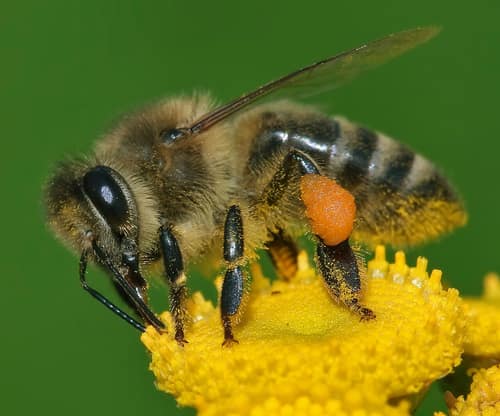
Pollinator Andreas Trepte / CC BY-SA 2.5 · cc-by-sa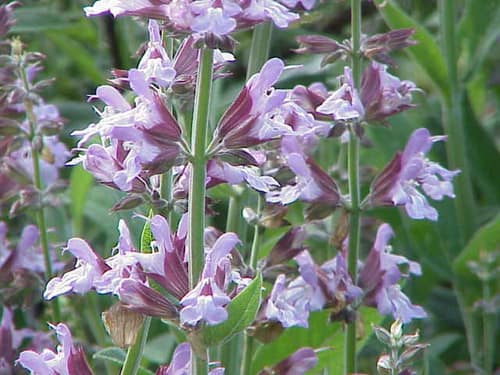
Close Relative Kurt Stüber [1] / CC BY-SA 3.0 · cc-by-sa
Help improve the field guideSomething wrong?
Checking your Fauna account…Report a name, category, or profile issue for review.