
Fungus
Smooth Chanterelle
Cantharellus lateritiusSmooth chanterelles form striking bright yellow-orange funnels across forest floors during summer and autumn rains. They establish mycorrhizal partnerships with broadleaf trees, particularly oaks and beeches, exchanging soil minerals for plant carbohydrates. Unlike classic golden chanterelles with prominent ridge-like gills, the spore-bearing surface underneath the cap remains almost completely smooth or faintly wrinkled.
FungusMycorrhizalForest Floor


—observations
—countries
—peak records
Least ConcernConservation statusIUCN Red List categoriesLCNTVUENCREWEXLeast ConcernRed List categories, explained →
Diet & preyMycorrhizal (symbiotic with broadleaf trees)
Predators
- Slugs
- Fungus Gnats
- Squirrels
ThreatsHabitat loss, clearcutting, heavy soil compaction
HabitatsDeciduous and mixed hardwood forests
Life spanFruit bodies persist 1–3 weeks; underground mycelium lives decades
Classification
- FamilyHydnaceae
- SpeciesCantharellus lateritius
Range data is not available yet.
Interaction riskLow
- Low
- Moderate
- High
- Very high
- Why interaction risk is low
- Many edible mushrooms have toxic look-alikes; never eat wild fungi based on app identification alone.
Responsible observation
- Examine the Underside: Check underneath the cap to see if the spore surface is smooth or wrinkled rather than deeply ridged.
- Look Near Hardwoods: Search around the roots of living oak and beech trees following heavy summer rainstorms.
- Protect Underground Networks: Step carefully around fruiting clusters to avoid compacting sensitive fungal mycelium.
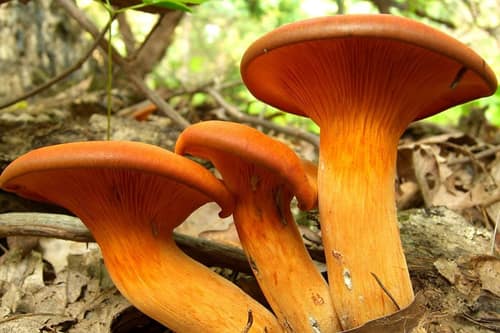
Toxic Look-alike (c) Jason Hollinger, some rights reserved (CC BY) · cc-by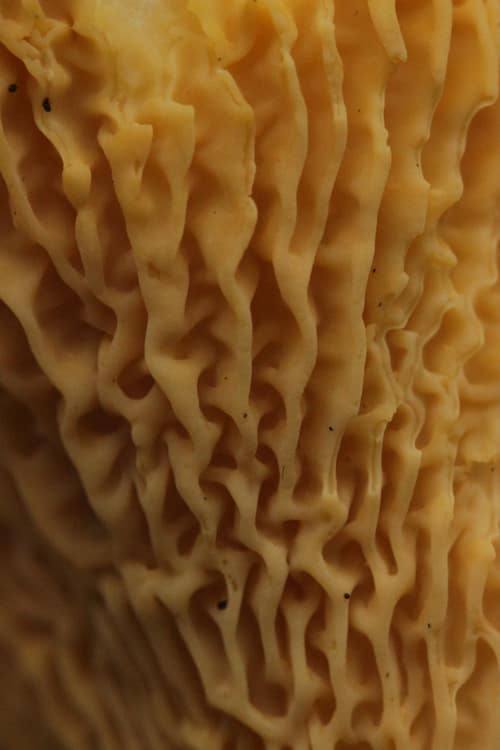
Close Relative (c) Björn S..., some rights reserved (CC BY-SA) · cc-by-sa
Close Relative Eric Smith (esmith) / CC BY-SA 3.0 · cc-by-sa
Help improve the field guideSomething wrong?
Checking your Fauna account…Report a name, category, or profile issue for review.