
Fungus
Eastern American Jack-o'-lantern
Omphalotus illudensAlso known as Eastern Jack-o'-lantern Mushroom
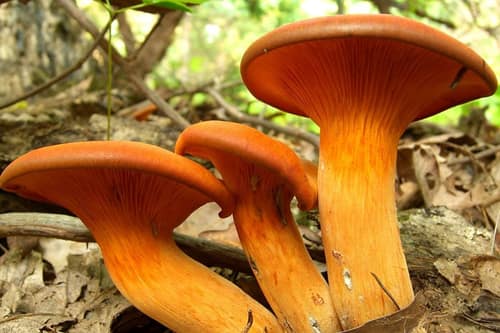
Eastern American jack-o'-lanterns form dense clusters of bright orange caps on hardwood stumps, buried roots, or decaying wood. Their crowded gills run down the stalk and may produce a faint green glow under very dark conditions.
orange funguswood decaybioluminescent gills

—observations
—countries
—peak records
Not EvaluatedConservation statusIUCN Red List categoriesLCNTVUENCREWEXNot Evaluated — not placed on the risk ladderRed List categories, explained →
Diet & preyDecomposes hardwood and may also exploit weakened living roots
Predators
- slugs
- insect larvae
- small mammals
ThreatsRemoval of host wood, soil disturbance, drought, and loss of mature hardwood habitat
HabitatsDeciduous woodland, hardwood stumps, buried roots, gardens, and wooded urban ground
Life spanClusters persist for days to weeks while the wood-inhabiting mycelium may survive for years
Classification
- OrderAgaricales
- FamilyOmphalotaceae
- GenusOmphalotus
- SpeciesOmphalotus illudens
Range data is not available yet.
Interaction riskHigh
- Low
- Moderate
- High
- Very high
- Why interaction risk is high
- Toxic look-alikes are easily misidentified; do not eat or ingest this or any wild fungus.
- Why it is dangerous
- Jack-o'-lantern mushrooms contain toxins that can cause severe vomiting, abdominal pain, and diarrhea.
- How to recognize a risky encounter
- Confirm dense orange clusters attached to hardwood and crowded orange gills running down each stalk.
- What to do
- Never ingest wild mushrooms; keep children and pets away and contact poison control after suspected consumption.
Responsible observation
- Identify: Look for clustered orange caps and true gills descending the stalk on hardwood.
- Observe: Test for faint glow only without picking, damaging, or carrying the cluster.
Help improve the field guideSomething wrong?
Checking your Fauna account…Report a name, category, or profile issue for review.