
Plant · GBIF taxon 7155887
Desert Rose
Adenium obesumAlso known as Sabi Star, Kudu Lily, Mock Azalea, Impala Lily
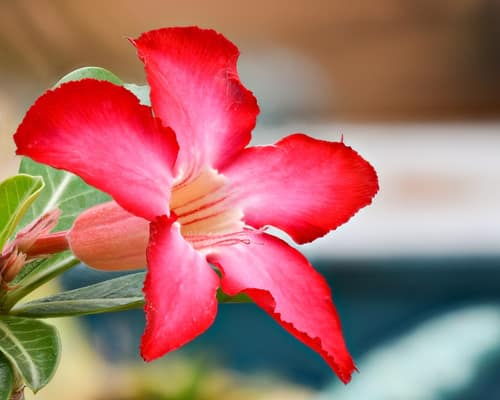
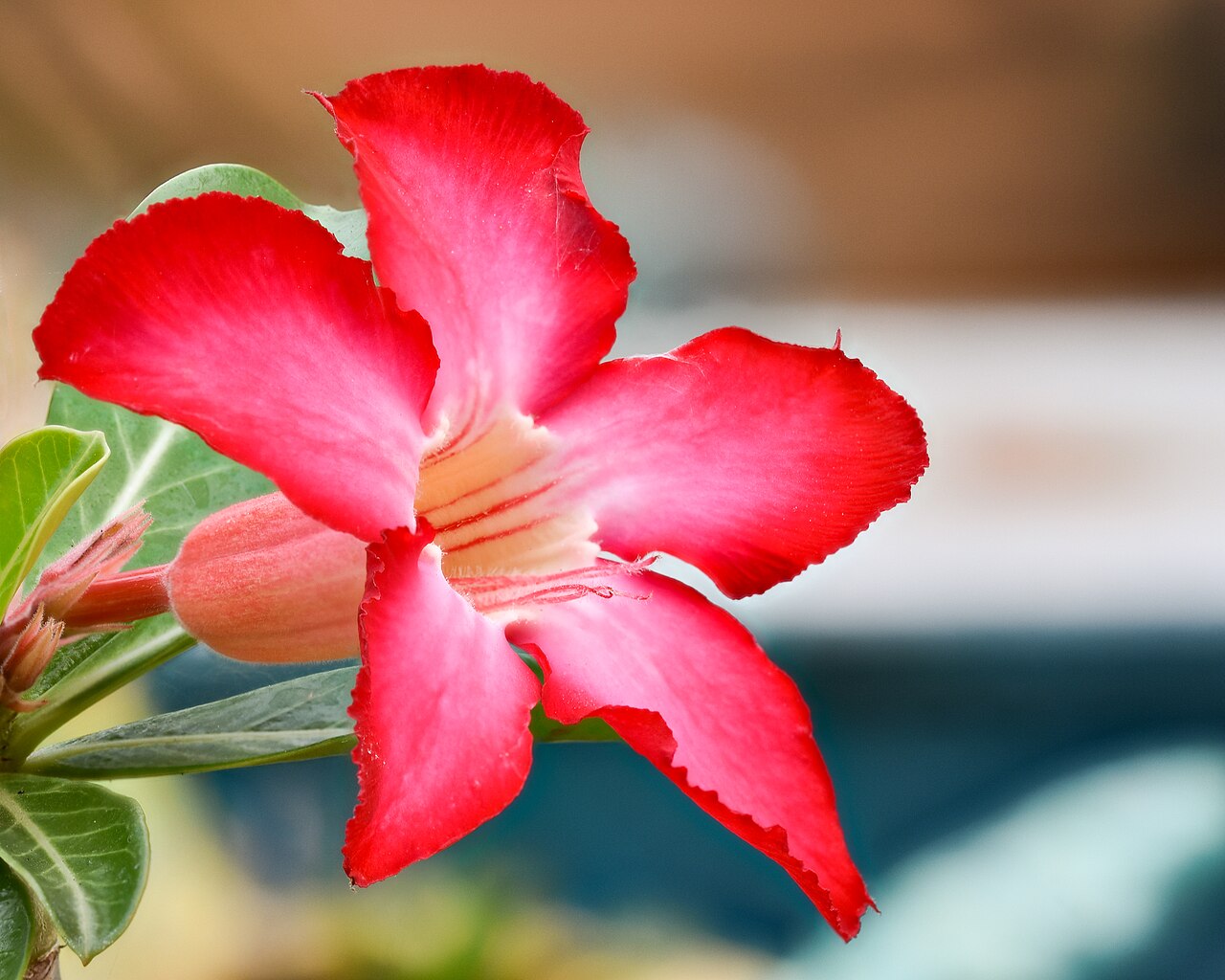
Desert rose stands out in arid drylands with its swollen, bulbous trunk and brilliant trumpet-shaped flowers that range from sweet pink to vivid crimson. The succulent produces a milky latex sap saturated with potent cardiac glycosides, historically harvested across Africa to coat hunting arrowheads. During severe dry spells, it sheds its narrow foliage to minimize water loss, relying on moisture stored inside its thick stem base.
SucculentFloweringDrought Tolerant
—observations
—countries
—peak records
Least ConcernConservation statusIUCN Red List categoriesLCNTVUENCREWEXLeast ConcernRed List categories, explained →
Diet & prey
- Autotrophic (Photosynthetic)
Predators
- Herbivorous Insects
- Spider Mites
- Caterpillars
ThreatsHabitat degradation, overcollection for ornamental trade
HabitatsArid scrublands, rocky hillsides, dry savannas
Life span50–100+ years
Classification
- OrderGentianales
- FamilyApocynaceae
- GenusAdenium
- SpeciesAdenium obesum
Range data is not available yet.
Interaction riskHigh
- Low
- Moderate
- High
- Very high
- Why interaction risk is high
- All parts produce toxic sap containing cardiac glycosides; avoid skin contact and keep away from pets.
- Why it is dangerous
- Contains deadly cardiac glycosides that disrupt heart function, causing severe nausea, low blood pressure, irregular heartbeat, and potential heart failure if ingested.
- How to recognize a risky encounter
- Recognized by its swollen grey trunk, thick succulent branches, glossy foliage, and showy pink or red trumpet flowers.
- What to do
- Wear heavy gloves when trimming or repotting, wash skin immediately after contact, and keep out of reach of children and domestic pets.
Responsible observation
- Handling: Wear protective gloves when pruning or repotting to keep milky sap off skin.
- Cultivation: Provide full sunlight and exceptionally fast-draining gritty soil to prevent root rot.
- Pet Safety: Position potted plants entirely out of reach of cats and dogs due to intense toxicity.
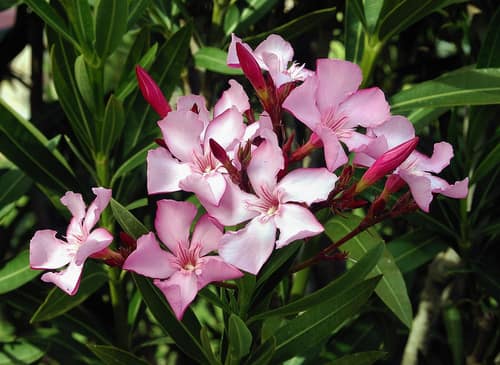
Close Relative Alvesgaspar / CC BY 2.5 · cc-by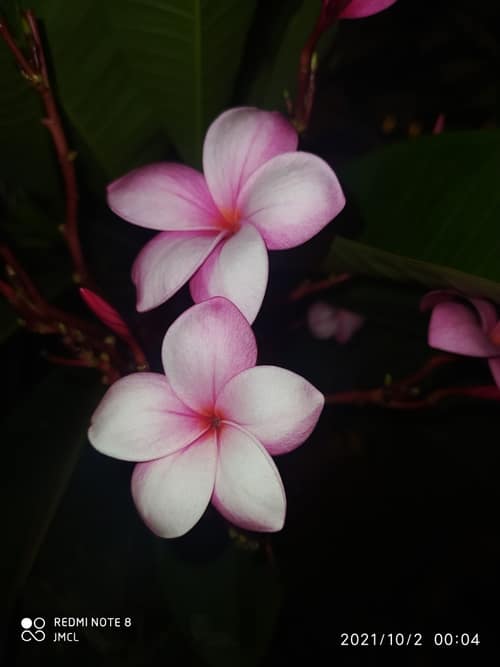
Close Relative (c) Cabanillas Lopez Jesus Miguel, some rights reserved (CC BY-SA), uploaded by Cabanillas Lopez Jesus Miguel · cc-by-sa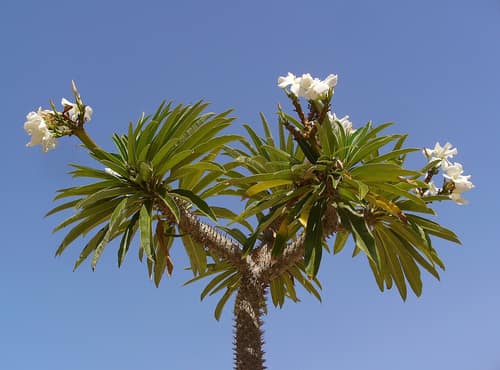
Ecological Relative H. Zell / CC BY-SA 3.0 · cc-by-sa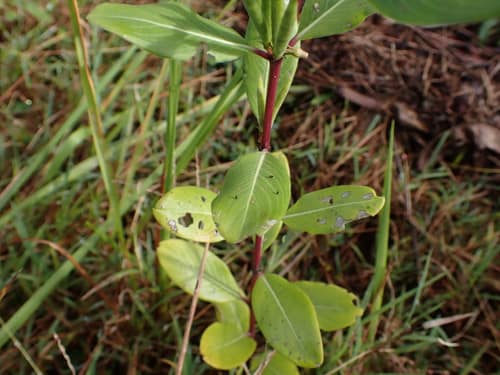
Close Relative (c) Louis Aureglia, some rights reserved (CC BY), uploaded by Louis Aureglia · cc-by
Help improve the field guideSomething wrong?
Checking your Fauna account…Report a name, category, or profile issue for review.