
Plant · GBIF taxon 3169756
Oleander
Nerium oleanderAlso known as Rose Laurel, Be-Still Tree, Rosebay
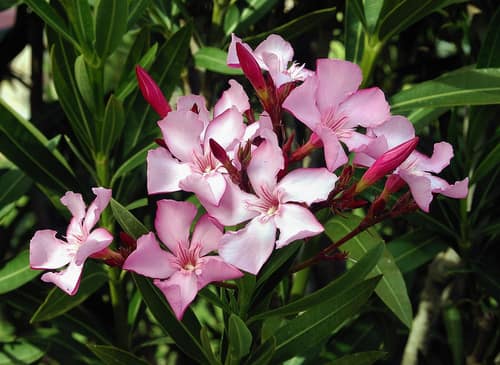
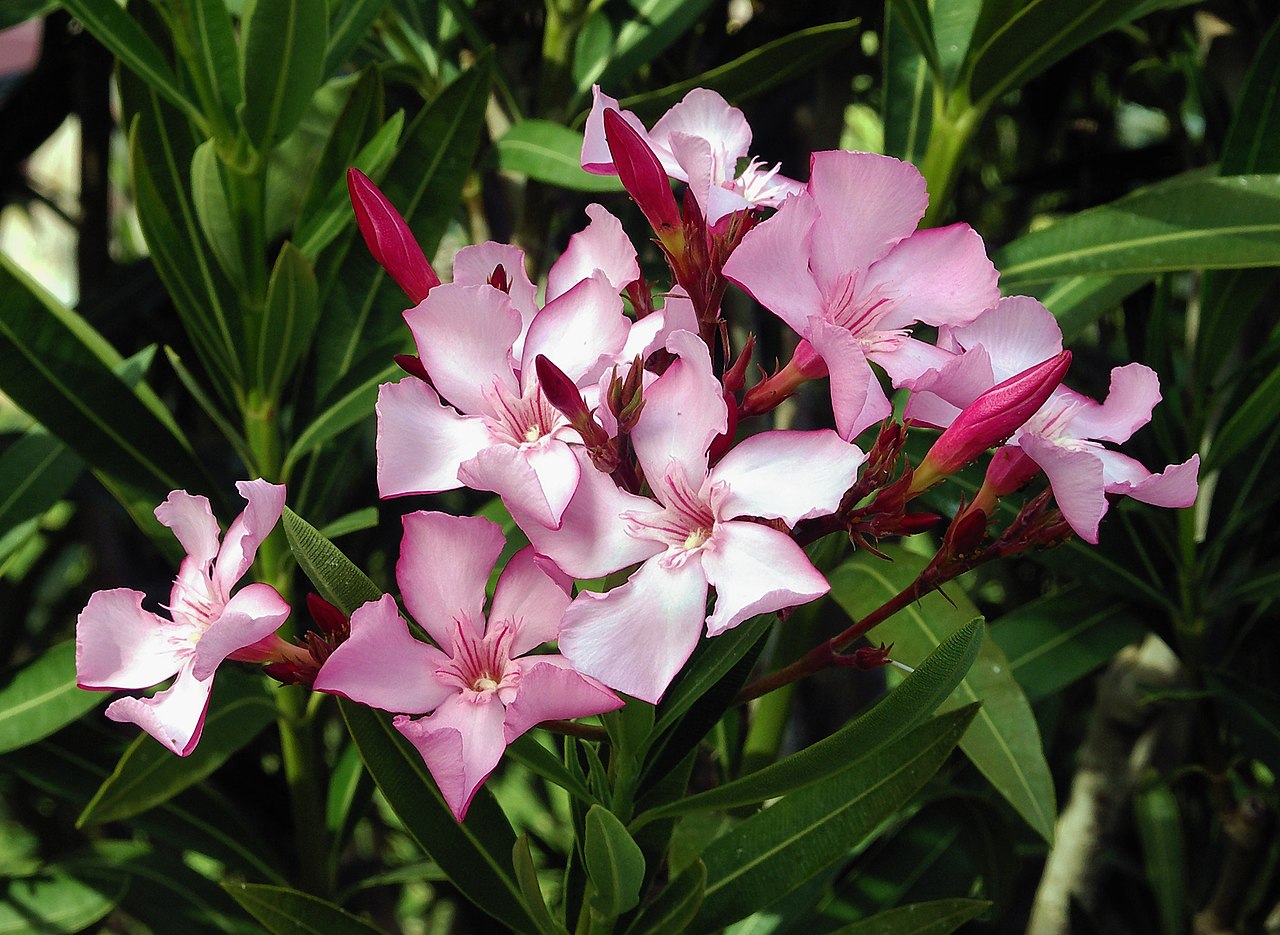
Thriving in poor soil and scorching heat, this evergreen shrub displays clusters of fragrant, five-petaled blossoms ranging from deep red to pure white. Long, lance-shaped leaves grow in pairs or whorls along tough stems that exude a clear, highly toxic sap when cut. Widespread along Mediterranean waterways and modern highways, its intense cardiac toxins deter most herbivores while providing reliable nectar for specialized moths.
EvergreenToxic PlantFlowering Shrub
—observations
—countries
—peak records
Not EvaluatedConservation statusIUCN Red List categoriesLCNTVUENCREWEXNot Evaluated — not placed on the risk ladderRed List categories, explained →
Diet & prey
- Photosynthetic
Predators
- Oleander Caterpillar
- Oleander Aphid
- Glassy-winged Sharpshooter
ThreatsBacterial leaf scorch, severe freezing temperatures
HabitatsMediterranean scrub, riparian edges, roadsides, cultivated gardens
Life span50–100+ years
Size / weightNot available
Classification
- OrderGentianales
- FamilyApocynaceae
- GenusNerium
- SpeciesNerium oleander
Range data is not available yet.
Interaction riskHigh
- Low
- Moderate
- High
- Very high
- Why interaction risk is high
- All parts contain lethal cardiac glycosides; wear gloves when pruning and never ingest or burn.
- Why it is dangerous
- Contains oleandrin and other cardiac glycosides that disrupt heart rhythm, causing severe toxicity, cardiac arrest, or skin irritation.
- How to recognize a risky encounter
- Look for erect evergreen stems with narrow, leather-like leaves and showy terminal clusters of pink, red, or white flowers.
- What to do
- Avoid touching sap, wear thick gloves during maintenance, and keep children and pets away from trimmed foliage.
Responsible observation
- Observation: Appreciate the vibrant blooms and glossy leaves from a comfortable distance without touching sap.
- Gardening Safety: Wear gloves and eye protection when trimming to prevent toxic sap contact with skin or eyes.
- Disposal Caution: Never burn pruned branches, as inhalation of the smoke can cause respiratory distress.
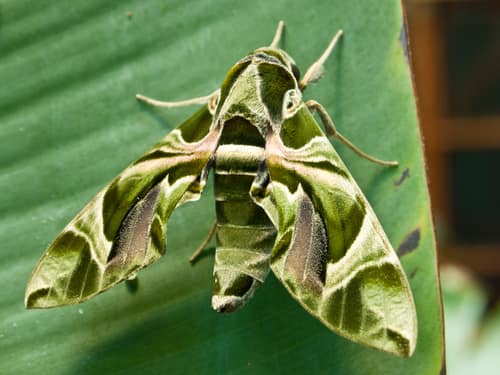
Specialist Herbivore (c) Sascha Kohlmann, some rights reserved (CC BY-SA) · cc-by-sa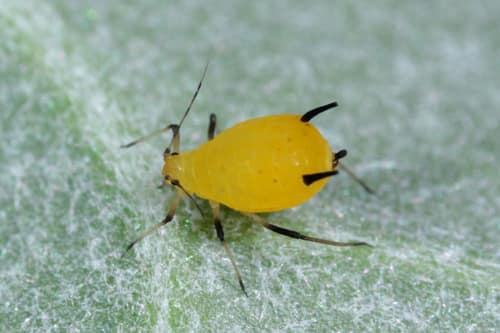
Specialist Herbivore (c) Franz Anthony, some rights reserved (CC BY), uploaded by Franz Anthony · cc-by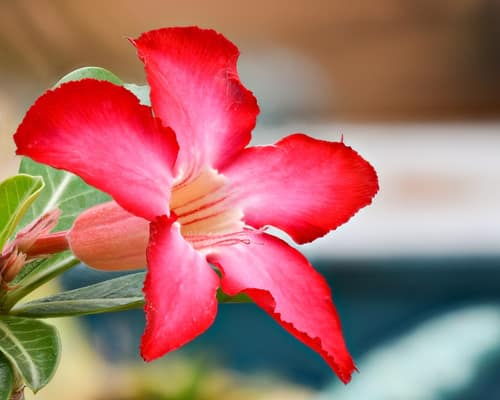
Close Relative This Photo was taken by Timothy A. Gonsalves. Feel free to use my photos, but please mention me as the author. I would much appreciate if you send me an email tagooty@yahoo.com or write on my talk page, for my information. Please contact me before commercial use. Please do not upload an edited image here without consulting me. I would like to make corrections only at my own source to ensure that the changes improve the image and are preserved.Otherwise you may upload an edited image with a new name. Please use one of the templates derivative or extract. / CC BY-SA 4.0 · cc-by-sa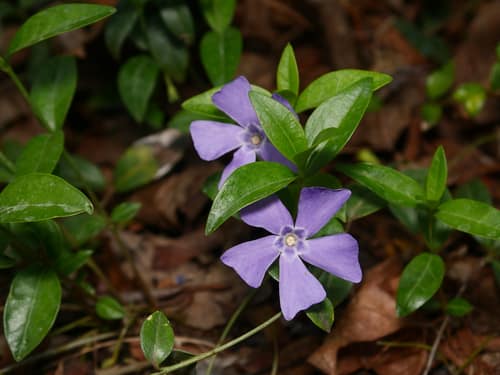
Close Relative (c) Alexis Tinker-Tsavalas, some rights reserved (CC BY), uploaded by Alexis Tinker-Tsavalas · cc-by
Help improve the field guideSomething wrong?
Checking your Fauna account…Report a name, category, or profile issue for review.